
.webp)

5
min read
The most beautiful world your money can create
I’m writing to you in a moment of great enthusiasm and deep commitment to our mission, hopping between Barcelona and Madrid. We’re working on a few projects I’m really eager to share but can’t just yet. You’ll understand why very soon!
Dear community,
I’m writing to you in a moment of great enthusiasm and deep commitment to our mission, hopping between Barcelona and Madrid. We’re working on a few projects I’m really eager to share but can’t just yet. You’ll understand why very soon!
Lately, I’ve been having several conversations with different people (and with myself) about hope. Can we still find it? How do we keep it (or nurture it) in this world we live in?
It always brings me back to the places I turn to when I need strength.
I don’t want to bring up Xavier Rudd in all my letters (by now you must think I’m some groupie; maybe I am!), but I often find real insight in his lyrics. I also learned he’s facing a severe illness, so he deserves the tribute. One of his latest songs, “Morning Birds,” is precisely about this: finding hope in an unfair world. He concludes, “All that we can do is try and send out love, even when it hits a stone.” Another song, “We Deserve to Dream,” reminds us: “All that we can do is be the best that we can be.”
I like to think every single one of us leads by example and has the power to influence those around us. That’s how I teach my children the importance of buying second-hand, recycling, and taking public transport, even when they don’t see others doing so. It’s about believing in the power of individual actions as much as the power of the collective.
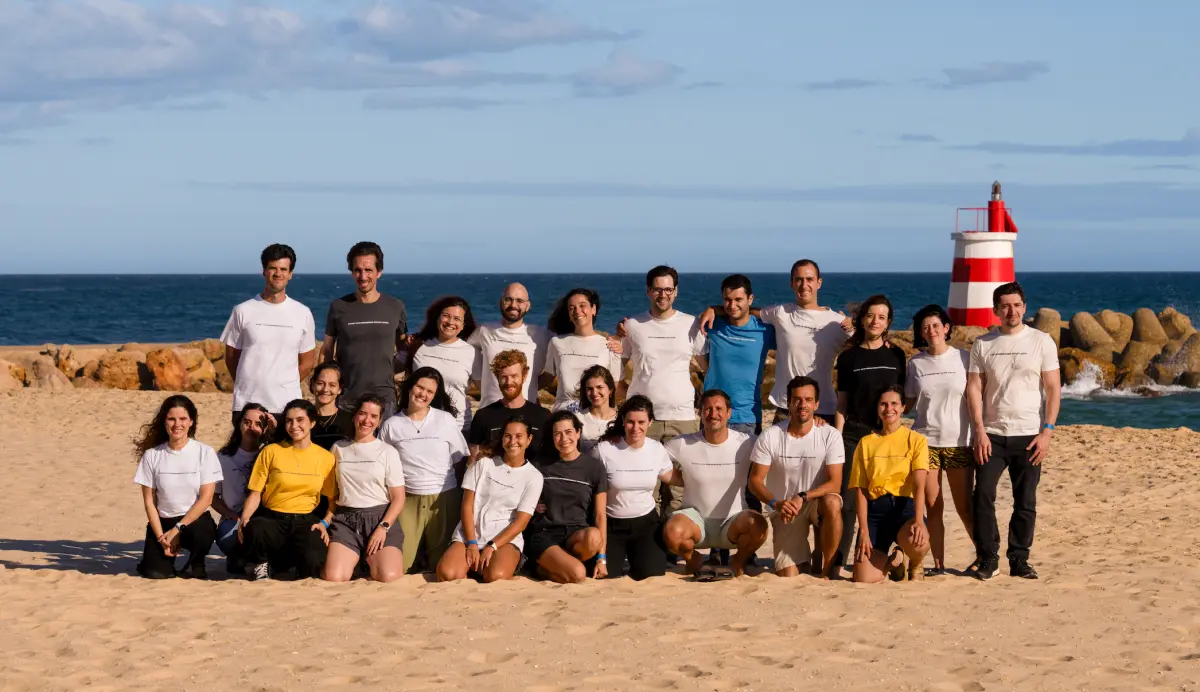
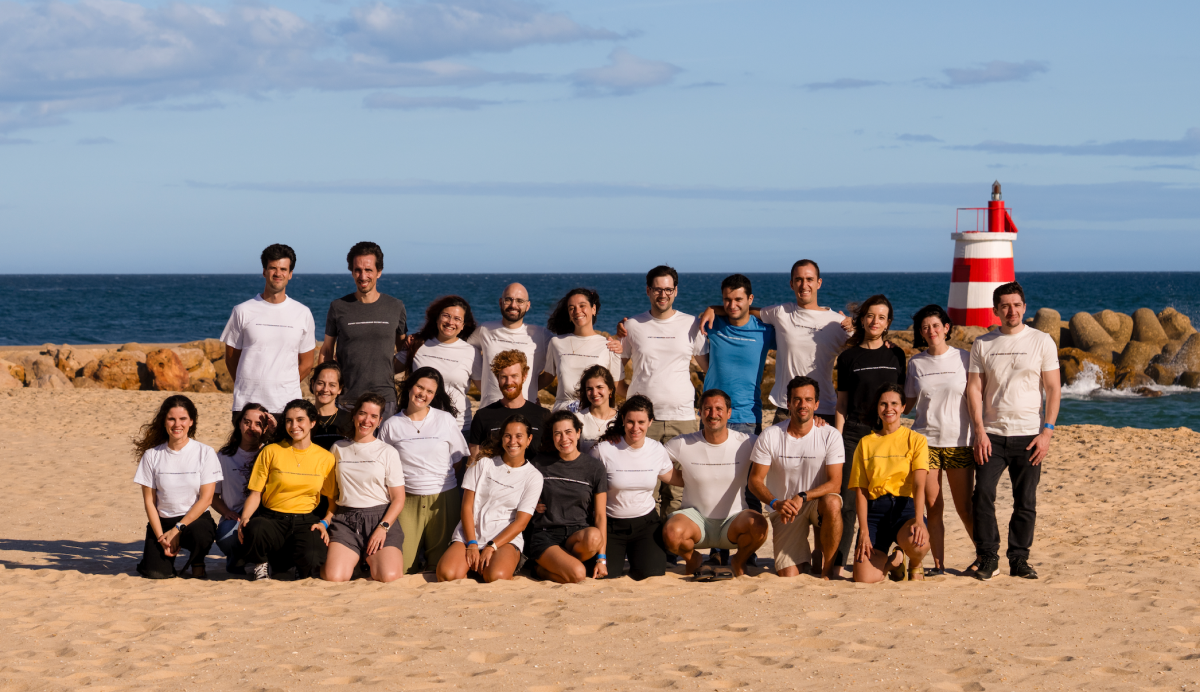
We’ve just had our team offsite in the beautiful town of Tavira, in southern Portugal, where we explored how hope becomes empowerment.
🎆 Highlights of Q3 2025
Oceano Fresco is back at Goparity, now innovating in offshore oyster production. During our team offsite, we visited their open sea facilities and saw what "money for good" can do: power innovation, create jobs, and drive sustainable growth.
July was our highest investment month ever: more than 1,5 M€ were invested through the platform.
Cumulative amount lent through Goparity:
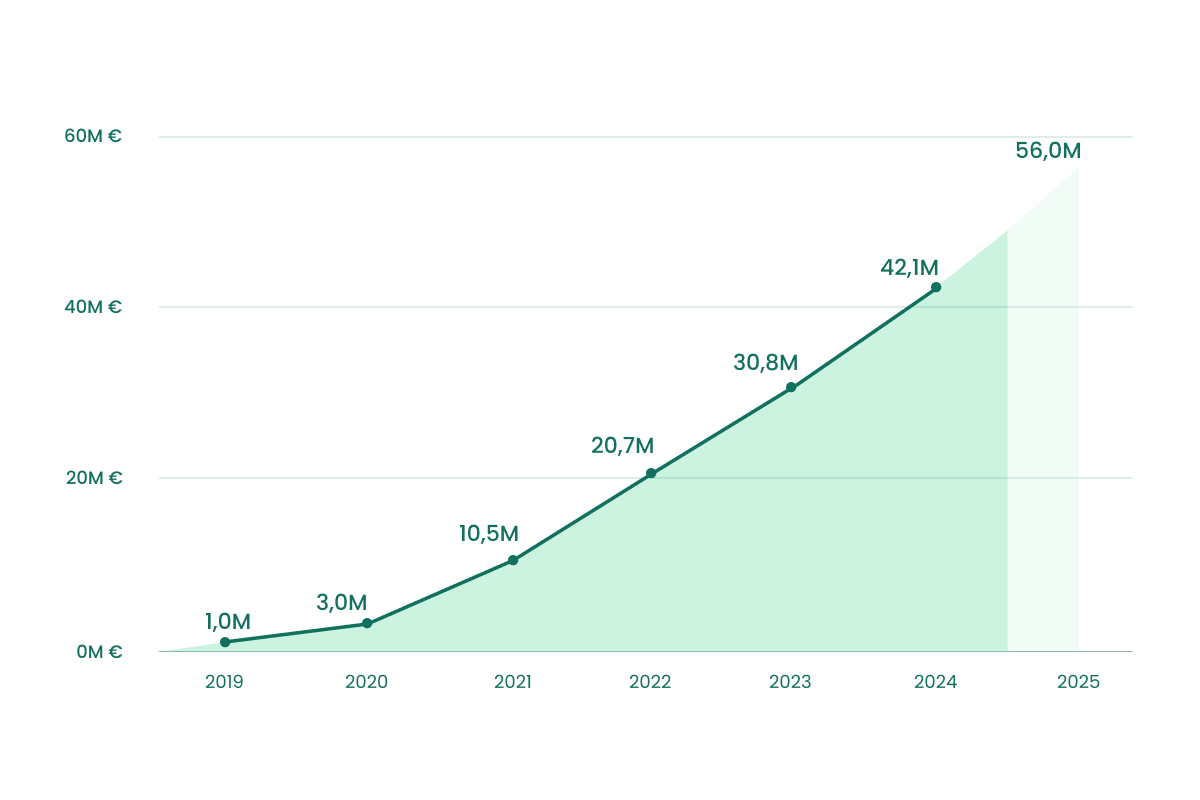
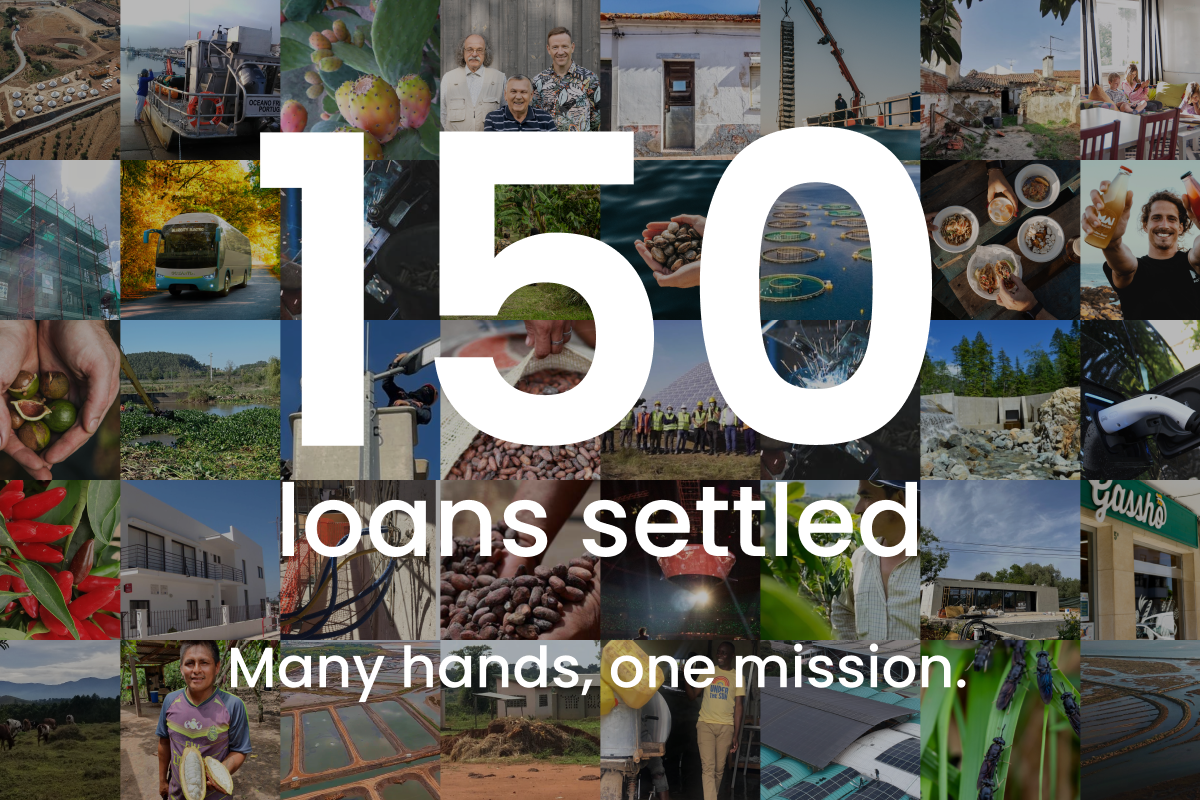
👏 We reached a big milestone: 150 projects settled. These loans returned 19,3 M€ to investors, with an average annual return of 5.4%, while avoiding ~14,8 kt CO₂ per year, reaching 82,790 people, and creating 4,617 jobs.
We launched and closed our biggest campaign ever, SeaForPain by Sea4Us, a biotechnology company transforming marine compounds into innovative therapies for unmet medical needs.
Our impact team developed a new policy combining positive and negative screening to make our impact assessment more objective. We’ll publish it on our website very soon.
Our team is growing in size and seniority: Margarida joined the product team in UX/UI, and Mariana and Francisco now lead the marketing and investment teams, respectively.
🌱 News from our projects
- Colcocoa won the sustainability category of the Commodities Innovation Awards.
- ubbu won the Heróis PME 2025 award in the start-up category.
- Sea4Us was featured in Portugal Startup News.
- Solar Snacks and Solar Microgreens together generate 129 MWh per year, avoiding 17,7 tonnes of CO₂ per year.
- We made steady progress on recoveries and settlements. We recovered 37 payments in arrears across 12 projects, restructured 3 loans, and detected 2 potential delays early. Several delayed projects are now fully settled, with funds returned to investors. We will keep things careful and transparent, with guarantees and timely updates at the heart of our approach. Soon, our Operations team will introduce a newsletter covering our portfolio performance, dedicated to investors.
📝 What to expect in the coming months
Many new projects are on the line to be launched in the coming months, and with the support of our community, we might have the most impactful months ever:
Just launched: Fibratech International, focused on bringing water and water treatment to remote areas of Colombia.
Also just launched: Flomics Biotech, accelerating early cancer detection through a simple blood test.
We’ll be fighting ocean traffic pollution from space.
🇵🇹 Our largest ever campaign to fund solar energy for self-consumption in Portugal.
🇪🇸 Our presence in Spain will grow strongly, across projects and the community.
There’s a new part of the globe opening up to Goparity’s investments.
🎄 Our Christmas gift cards are back: more impactful than ever
Two years ago, we donated 1€ per gift card sold to MSF, with advice from my friend Gustavo Carona. Last year, we donated to an NGO supporting recovery from the DANA floods in Valencia.This year, I would love to hear from you. Please suggest an organisation to receive this year’s donation. There is so much need right now...
To show the impact of our past donations, here are messages we received from them:
“With your donation, we can vaccinate 661 children against measles, a disease considered eradicated in Europe but still potentially deadly for thousands of children around the world.” Cristiana Rodrigues, Head of Funding, MSF Portugal
“Your support helps rebuild essential infrastructure and activities for the populations affected by the flooding in Valencia, while strengthening the unity and resilience of our communities.” Carla Borrás, Fundació Horta Sud
🎤 Where you will find us
🇵🇹 Web Summit (Lisbon): Goparity will attend as part of a Banco Português de Fomento (BPF) initiative, represented by our COO, Rita Oliveira. Our showcase slot is on 11 November, from 9:00 am to 1:30 pm.
🇪🇸 Genera (International Energy and Environment Fair, IFEMA Madrid, 18 to 20 November): We will speak in the Self-consumption Journey panel on 18 November from 11:00 am to 2:00 pm and host a conversation about Alternative Financing on 20 November from 10:30 am to 11:15 am. Our team will be there with a stand to meet organisations looking for sustainable financing.

🙋♂️ The question
As always, I’ll wrap up with a question for the community. As our team grows, we can bring more and better projects to the platform. To make sure they fit your criteria and interests, we’d like to know which factors you value most when deciding where to invest.
Please select your top picks: Answer here
Don’t forget
Diversification is the best way to mitigate risk and build a profitable portfolio.
Activate auto-investment to build a resilient portfolio and ensure you never miss out on exciting new investment opportunities.
🎵 Music note
This letter, at least a good part of it, was written while listening to Carla Collado. She is an up-and-coming Catalan singer-songwriter whom I was lucky to see in a small, intimate concert in Barcelona two weeks ago. Her lyrics are openly activist, and her songs are beautifully melodic. ‘Me han robado la primavera’ is one of my favourites
If you believe in what we’re building at Goparity, please share your experience. Your feedback not only helps us improve, but also helps more people discover impact investing.
5
min read
7,9 trillion dollars and our “why”
I'm addressing you from a plane again while listening to Xavier Rudd, again. I'm flying back from my hometown Porto, after a week there with my kids, both my parents, and my two sisters - a rare coincidence considering we live in four different cities across three different countries.
Dear community,
I'm addressing you from a plane again while listening to Xavier Rudd, again. I'm flying back from my hometown Porto, after a week there with my kids, both my parents, and my two sisters - a rare coincidence considering we live in four different cities across three different countries. I hope you get to see a lot of family and friends this Summer too.
Lately I've been thinking a lot about Goparity’s “why” and the importance of every company having one and communicating it all the time. It is an obvious concept, popularized years ago in a TED talk by Simon Sinek, but something we don’t always keep in mind.
Our “why” is clear: we exist to foster the transition to a more sustainable economy by providing access to capital to companies and projects that want to do things well, while giving their investors a return that goes well beyond the positive impact the projects generate.
In doing so, we’re also empowering people to choose where their money goes and giving them the satisfaction of knowing it is being used for good.
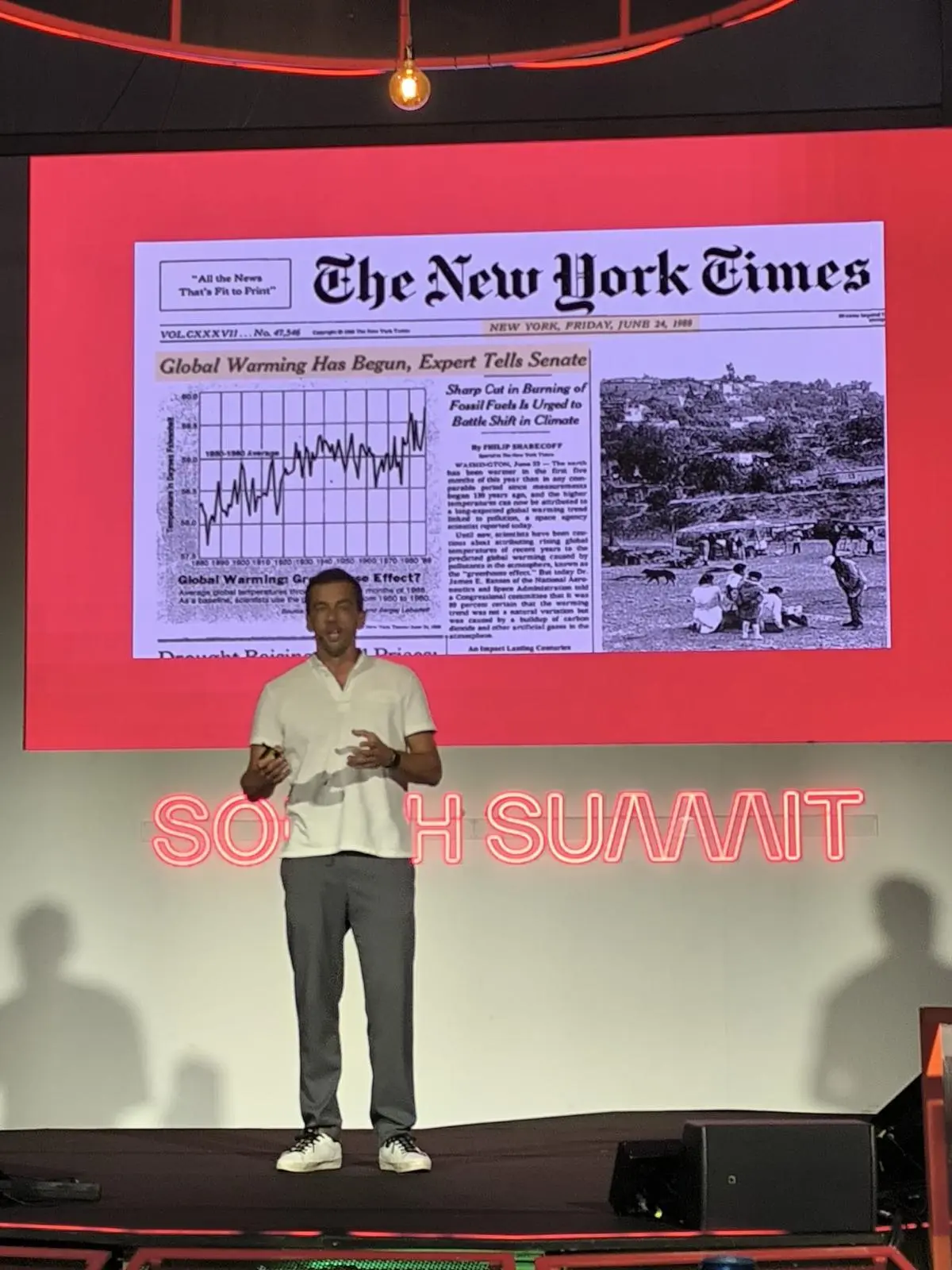
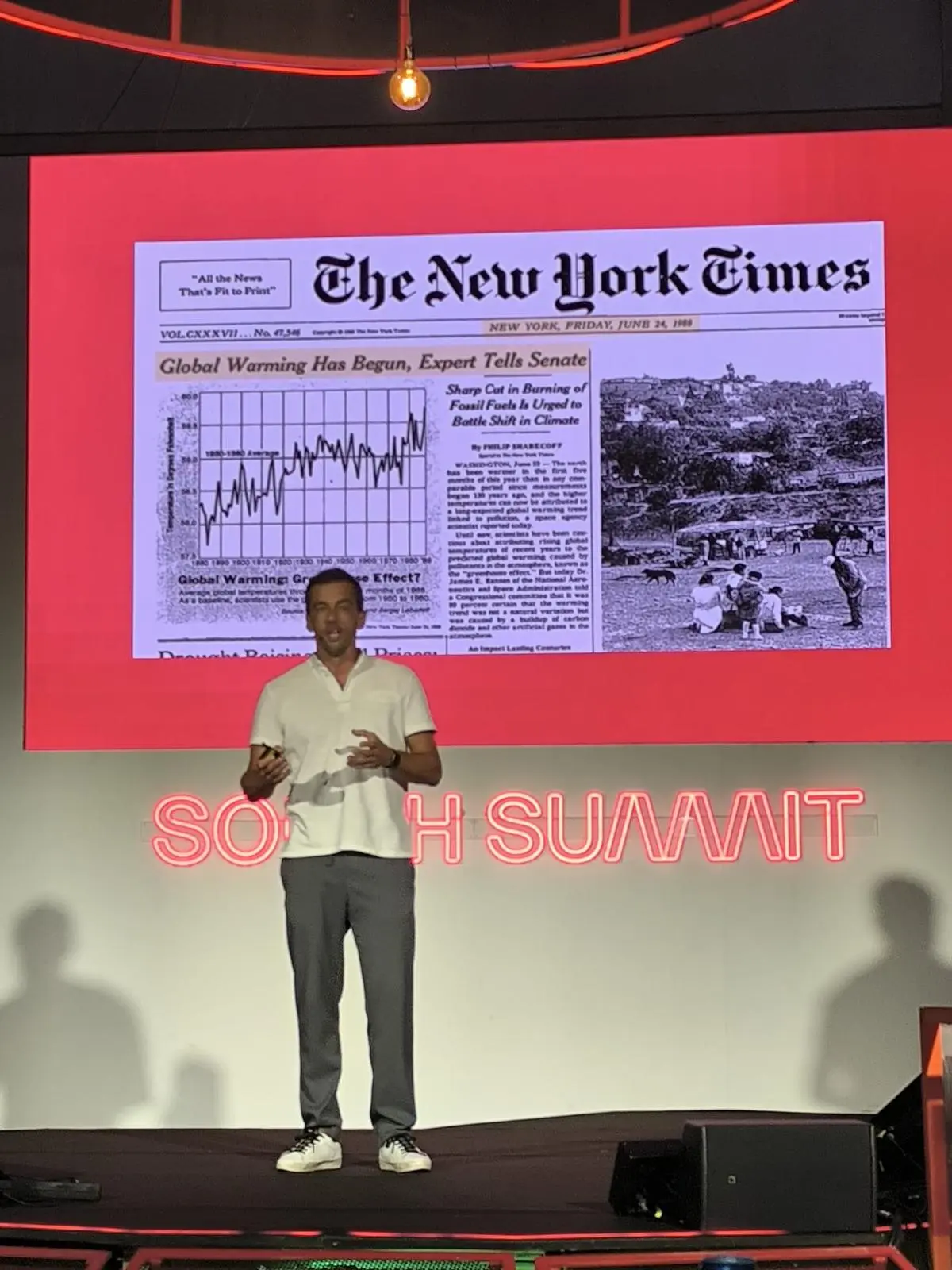
📢 Our “why” is now more relevant than ever: the “Banking on Climate Chaos” report
The 2024 “Banking on Climate Chaos” report just came out and makes it clear that our “why” is now more relevant than ever. I’ll only share a few highlights but their website is worth browsing and the report is worth dedicating some time to.
😱 The world’s biggest 65 banks have dedicated $7,9T to fossil fuel financing in the past 9 years (since the Paris Agreement). Yes, $7.900.000.000.000.
📊 2/3 of them increased their commitment to fossil fuel financing in 2024. Only two out of the top 30 didn’t.
🛢️ Overall investment grew by 23% from 2023 to 2024.
🎖️ JP Morgan Chase (#1) and other US major banks are the undisputable leaders, while Canada (Royal Bank of Canada #8, Toronto-Dominion #9) and Japan place two banks each on the Top10.
🇬🇧 UK’s Barclays is the only European Bank in the Top 10, while HSBC ranks #20.
🇪🇸🇫🇷🇩🇪 Other European “leaders” are Santander (#18, ES), Deutsche Bank (#23, DE), BNP Paribas (#24, FR) and Credit Agricole (#27, FR).
🙏 On the bright side, quite a few European banks have reduced their investment: La Caixa (#49, ES) and ING (#32, NL) performed the most significant reductions.
🎆 Highlights of Q2 2025
The last quarter, as usual, had its ups and downs
🚀 We reached 50M€ invested via Goparity.
🤝 We closed a 2.9M€ funding round late in April, led by 3XP, with the participation from Mustard Seed Maze, Schneider Electric, Regenerative.eco, InvestEco and more than 800 small shareholders, many of which are Goparity users, via Crowdcube.
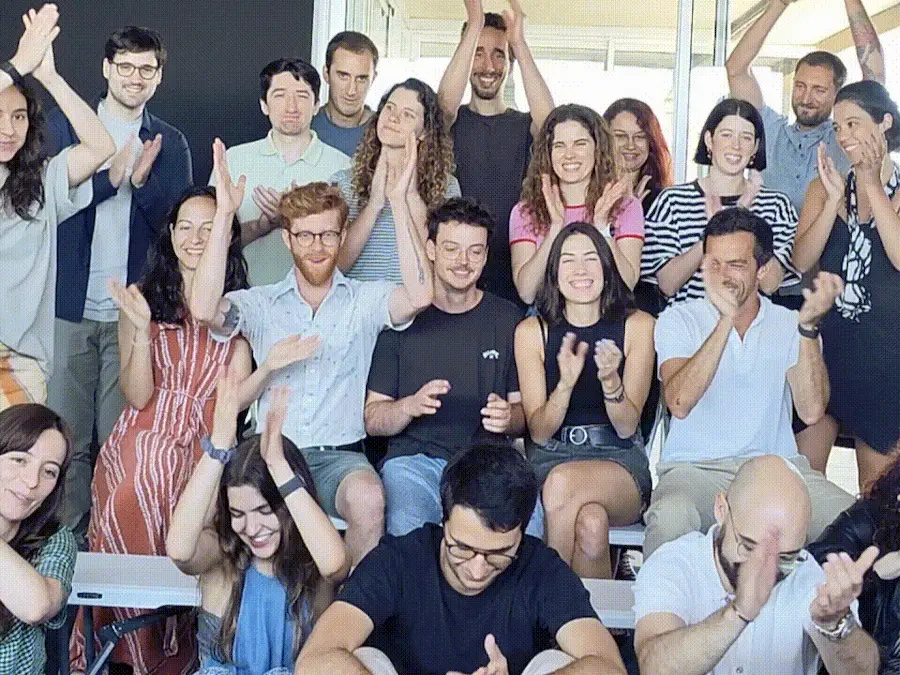
🧑It was great to see all the team get together in Lisbon in our shareholders' MAZE offices (picture below).
🔃 You can now instantly transfer funds within your Goparity wallets. For free. This means more flexibility and faster access to investment opportunities - no more money stalled.
⚡️ We raised 500k€ for Dispower, providing +3000 families with access to electricity.
👩 We held our first board meeting in gender parity: 3 women and 3 men. This also is walking the talk.
🇪🇺🇨🇦 We concluded our B-Corp re-certification, which also included Goparity Canada for the first time: our score increased from 84.3 points to 93.2 🌱🙌
🌾News about our ongoing loans
🌱Jord (🇩🇴 🇸🇪) was nominated for the 2025 Earthshot Prize by the Caribbean Climate-Smart Accelerator and has become a member of both the World Bioenergy Association and Bioenergy Europe.
👷🏻Efenco (🇪🇪) was successfully implemented. The funds were used for the research and development, piloting and testing of their HERC technology, which has brought the system closer to commercial readiness.
☀️ Solar Sustainable Aquaculture, Solar Herdade do Baldio and Solar Bakery (🇵🇹) have been successfully implemented, ie solar panels are installed and producing clean energy.
🍇 Fita preta (🇵🇹) won the “Best Wine Tourism in Portugal” award of by the Portuguese Wine Tourism Association (Associação Portuguesa de Enoturismo).
🏫 Goparity Canada (🇨🇦) funded Solar fo Gw’sala - 'Nakwazda'xw in record time: a rooftop solar system in a First Nation School’s gym in British Columbia.
In the past quarter we recovered 24 payments in arrears from 11 projects, had 2 loans restructured and prevented 22 payments from being delayed via early detection warnings implemented by our Operations team.
Our NPL > 90 days at the end of 2024 was 7,56% lowering from 14,95% observed at the end of 2023. Still, we are very focused on improving these numbers, continuously employing efforts to optimize our credit policy and recovery procedures. Check the recently published 2024 Default Rate Report >
Regarding project updates, as per our commitment, we have zero projects in arrears with updates older than 180 days.
🆕 Credit recovery and new info on your dashboard
I know it’s not always as visible or successful as we’d like, but we put tremendous effort into credit recovery, and are already seeing positive results.
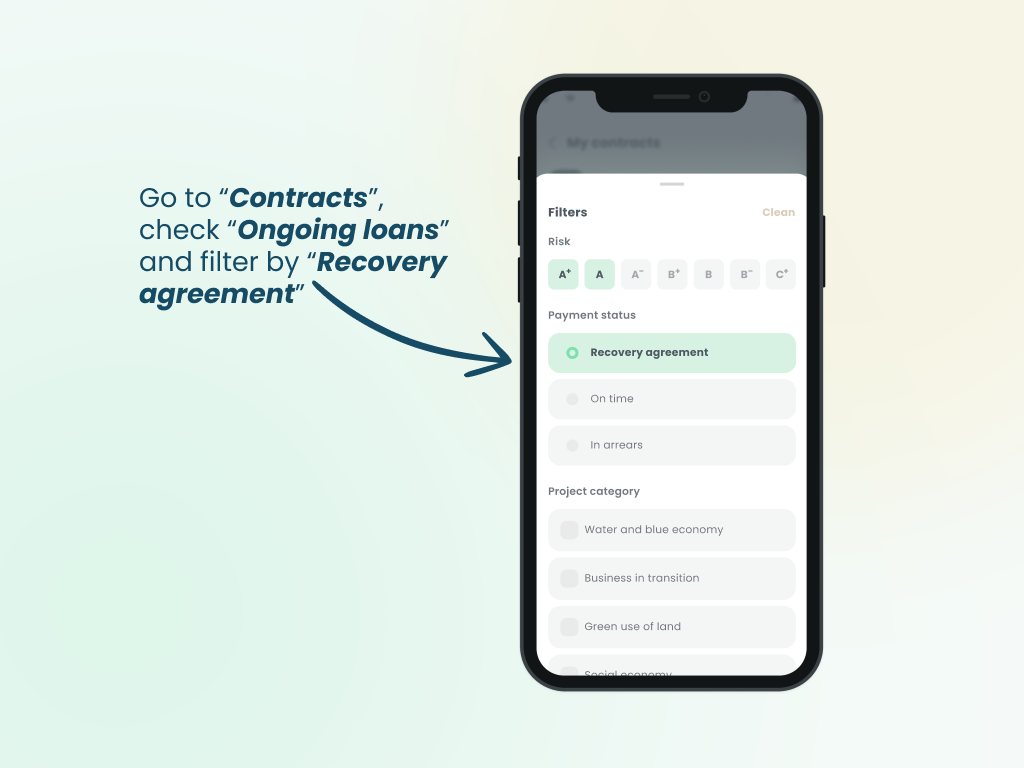
Until recently, your dashboard would show a project as “in arrears” even if a judicial or extra-judicial recovery plan had already been agreed upon and the promoter was actively complying with it.
Now, when you access your ongoing loans in your dashboard, you will see the new category, "Recovery agreement”. This allows you to easily identify which projects are no longer in arrears and the borrower is successfully following the recovery payment plan.
🛡️ New commitments regarding risk: asset-backed loans
Last quarter we had to endure the insolvency of two companies that received financing from Goparity a few years ago. Unlike most other cases - where we were able to recover debt, agree on new payment plans or restructure loans - there was no recovery of funds. This happened, in big part, because we had no pledge on assets or guarantees.
When we take a pledge on assets, be it buildings, machinery, solar panels, or even receivables it provides us with "secured" credit status. This means our debt becomes senior to others (up to the amount of the collateral/security provided) which is beneficial not only in case of insolvency, but also in other judicial credit recovery procedures.
👉 Having a guarantee does not affect a loan’s risk rating. The risk rating measures of how likely the company is to be able to perform its loan obligations, while guarantees are only activated in case of default - but it does impact the interest rate of a given loan. If a pledge is properly registered the risk of loss of all capital is near-zero.
How we measure a project's risk > What are guarantees for >
Our commitments moving forward 👇
- Prioritizing projects that offer guarantees: from corporate guarantees to pledge of buildings, land, equipment or receivables.
- Make it clearly visible when a project does (or doesn’t) offer a guarantee or collateral (even on our social media posts - check below)
- Communicating the Loan-to-Value (LTV) ratio of collateralized projects: this means we’ll let you know how much the lent amount is worth in comparison to the value of pledged asset (e.g.: a 70.000€ loan backed by an asset that is worth 100.000€ has a 70% LTV)

For a long time now, you can check whether a loan has a guarantee or not in the campaign page (image on the left). That information is also available in the Key Investment Information Sheet.
We're now also publishing that information whenever we share a new investment opportunity on Instagram or LinkedIn. On the image on the right you can see the example of what that looked like for Bioo: powered by nature.
🙋♂️The question
We often reject really impactful projects, because we cannot be sure about their capability to generate income to cover the debt they'de raise and they own no assets to provide as collateral.
Some examples could be startups, either technological or not, or early stage or projects in sectors like health, education or social impact.
Still, we believe people can play a role in providing them with access to finance and deserve a significant upside should they become successful businesses in the future.
My question this time is: would you be available to invest in equity - becoming a shareholder - in impactful companies?
(Click in one of the options below to answer 👇)
This would not imply any obligation as a shareholder (we’d do the job for you), but it means the potential gains could only come from:
- A secondary sale of your shares (selling to another investor in the future);
- The company becoming profitable and pays dividends;
- The company being acquired;
- The company being listed on the stock market.
Yes, absolutely
I don't think so
👋 What to expect from this semester
I believe I already told you about how I only like to talk about things when they’re 99% confirmed (better if 100%). I don’t like to create to many expectations ahead of time, even less, to come out as inconsequent. It is happening with ETF investing for example, where the formal regulatory approval is taking much longer than expected. But the plan is still there and evolving, I assure you.
🇪🇸🇪🇺 Bioo is currently online with the most innovative technology we ever funded: generating electricity from the soil. They have installations from Spain to the Middle East;
🇵🇹🇪🇺 Sea4us came back to Goparity: after the early settlement of one of our biggest loans ever, they’re back with our largest campaign ever, they plan to raise up to 1,2M€ to reach clinical trials in 2026;
🇨🇦 Plaex, a company turning construction waste into building brick, is fundraising in Goparity (offer available to Canadian investors only);
🇨🇴 Colombian companies will be back to the platform with more exciting projects on the Agrifood and Energy sectors;
There’s actually another piece of exciting news that are very likely to be heading our way but I don’t want to talk ahead of time. Promise to follow-up on my next email 🙏
Thanks for getting to the end of this message, I know it was a long one and respect you for that. Have a great summer!
If you believe in what we’re building at Goparity, please share your experience. Your feedback not only helps us improve, but also helps more people discover impact investing.
5
min read
About the water and “yes, we did it!"
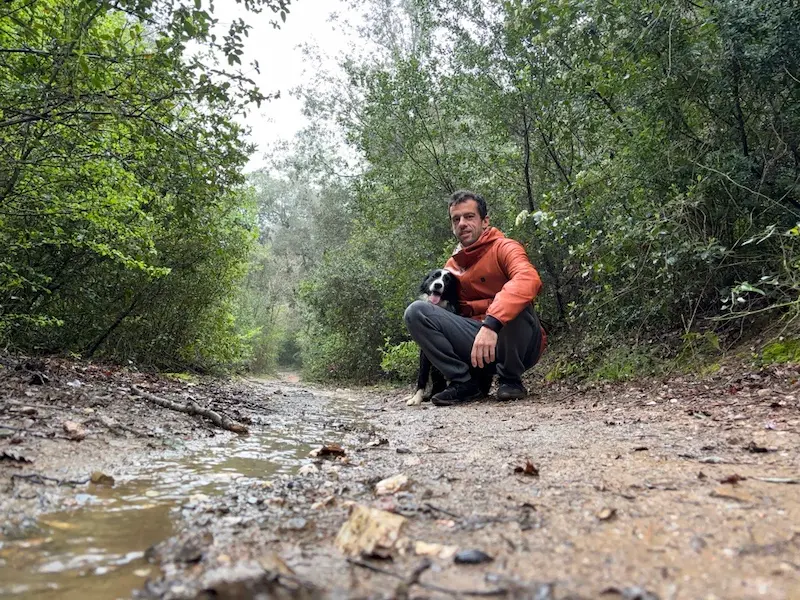
A few weeks ago, after dropping off my children at school, I went for a short hike in the Collserola Natural Park just beside it.
Dear Community,
Here I am writing again, much later than I intended. I hope you had a good start to this year. For us it was great, not perfect, but a clear improvement compared to the second half of 2024. 🙌
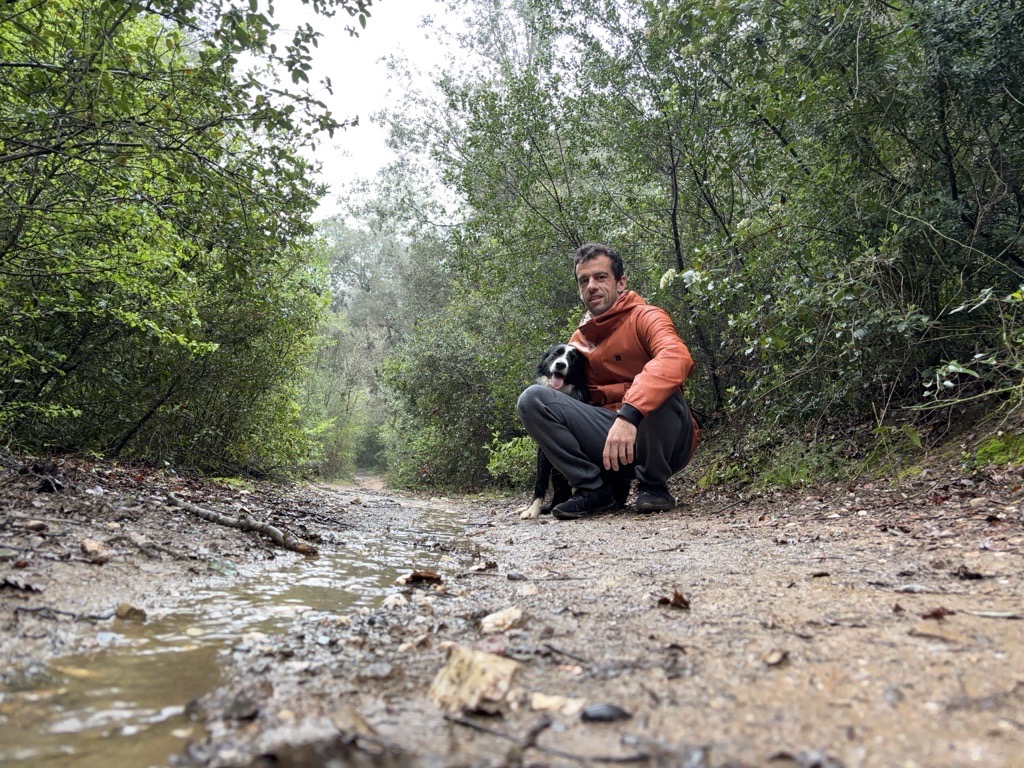
A few weeks ago, after dropping off my children at school, I went for a short hike in the Collserola Natural Park just beside it.
As I was walking the trail, with only my dog Gus, light rain falling, a lush forest and the smell of petrichor (a concept someone I deeply admire taught me recently), I noticed an unusual sound. It was a very familiar sound that I could not connect to that place: the sound of running water.
For many years I have hiked that trail but never had I seen it like that: water was flowing through the trampled trail, old watercourses were back to life and the landscape was as verdant as ever.
That experience reminded me of a sentence I heard once in a documentary and always wanted to share with you: “Wherever water flows, life follows”.
🤝 A successful funding round
I know you probably heard about it already but we finished a new funding round (a series A as it is called in the startup world).
This was a very successful raise in a very challenging moment: geopolitics are as unpredictable as ever, many VCs are saving money for their investees (in case of emergency) and there is a growing rhetoric worldwide about sustainability not mattering any more (just when it should matter the most).
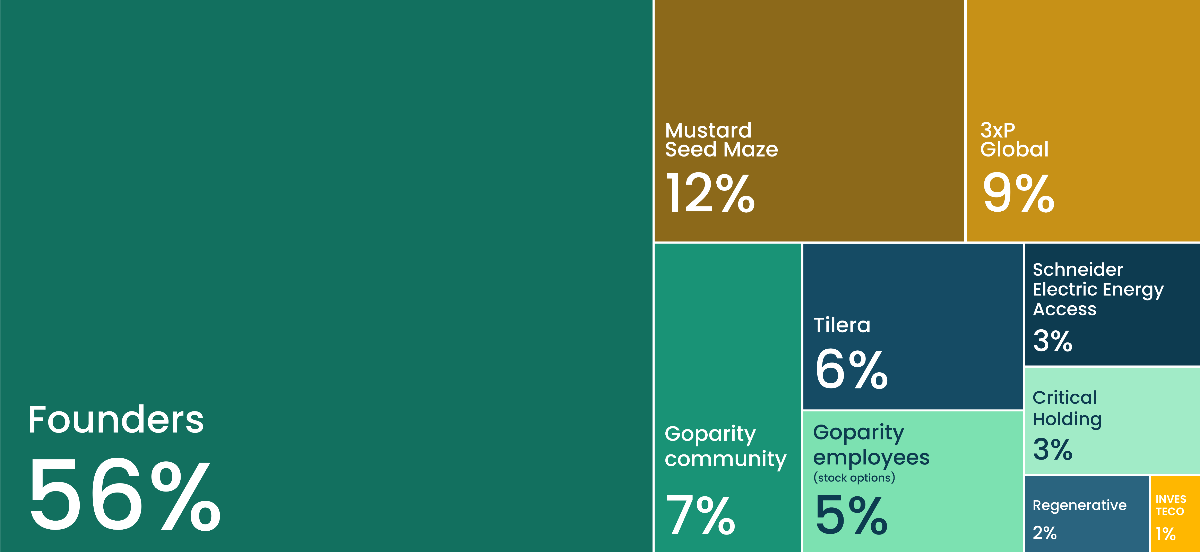
We raised 2.9M€ in total, nearly 2,4M€ from different institutional investors from PT, FR, CH and CA, both existing and new shareholders, and almost 500k€ from our community, making them (or you!) our 4th biggest shareholder. 🙌
👇 This is what our captable looks like now
🎆 Highlights of Q1 2025
🚀 Our community invested over 1M€ per month every month in the first quarter of the year!
🤝 We hired Carol, Vasco, Pedro, Adriana and Margarida for QA, Impact, Finance, Marketing and communications.
🔃 We launched transfers between wallets. - you can now move funds instantly and for free between your wallets.
🇪🇸 We launched automatic tax withholding for Spanish projects, meaning simplified tax declarations for our investors based in Spain. More here.
📊 We can now set a minimum and maximum amount per campaign. That’s why some progress bars are going over 100%! More here.
💰 We funded our biggest project ever – Ace Aquatec II - a milestone that is about to be surpassed soon by the same promoter - stay tuned and turn on your notifications.
🇨🇭 We financed our first Swiss company - Colcocoa, dedicated to the export of high-quality, certified, and traceable cocoa from Colombia.
🇨🇦 Goparity Canada hit two major milestones: its fastest project raise ever - $50K in 26h for a solar project on a school gym - and its largest campaign to date - $135k for renewable energy community.
🔁 Our ongoing loans
In the past quarter we recovered 31 payments in arrears referring to 12 projects from 9 promoters.
We prevented 22 payments from being delayed via early detection warnings implemented by our Operations team.
After reaching an extra-judicial agreement with the promoter Vibes & Beats, Lda, two previously overdue payments were regularised, and another of their loans was settled. Since then, the promoter has been consistently meeting their obligations.
The loans associated with the "Decarbonizing Colombia" projects promoted by Recap Solar Fund II AB were settled ahead of schedule, while the ones promoted by Recap Solar Fund VI AB were partially settled. All payments in arrears for these projects have been regularized.
The loans for Barkley Project Group and Biovilla is Growing were also settled in advance. All investors have received their capital invested in full as well as the interest payment.
Aggregated information on Goparity loans >
Last year, I promised there would be no projects in arrears or default (arrears for more than 90 days), with the latest update being older than 180 days. And we've been keeping that promise.
🌾 Impactful news
🌊 Ace Aquatec: the loan has been fully settled, with all principal paid back to investors. The promoter used part of the funds to produce biomass cameras, each monitoring around 7 million fish per year. Another portion of the loan was used to hire 18 people for permanent positions. More here.
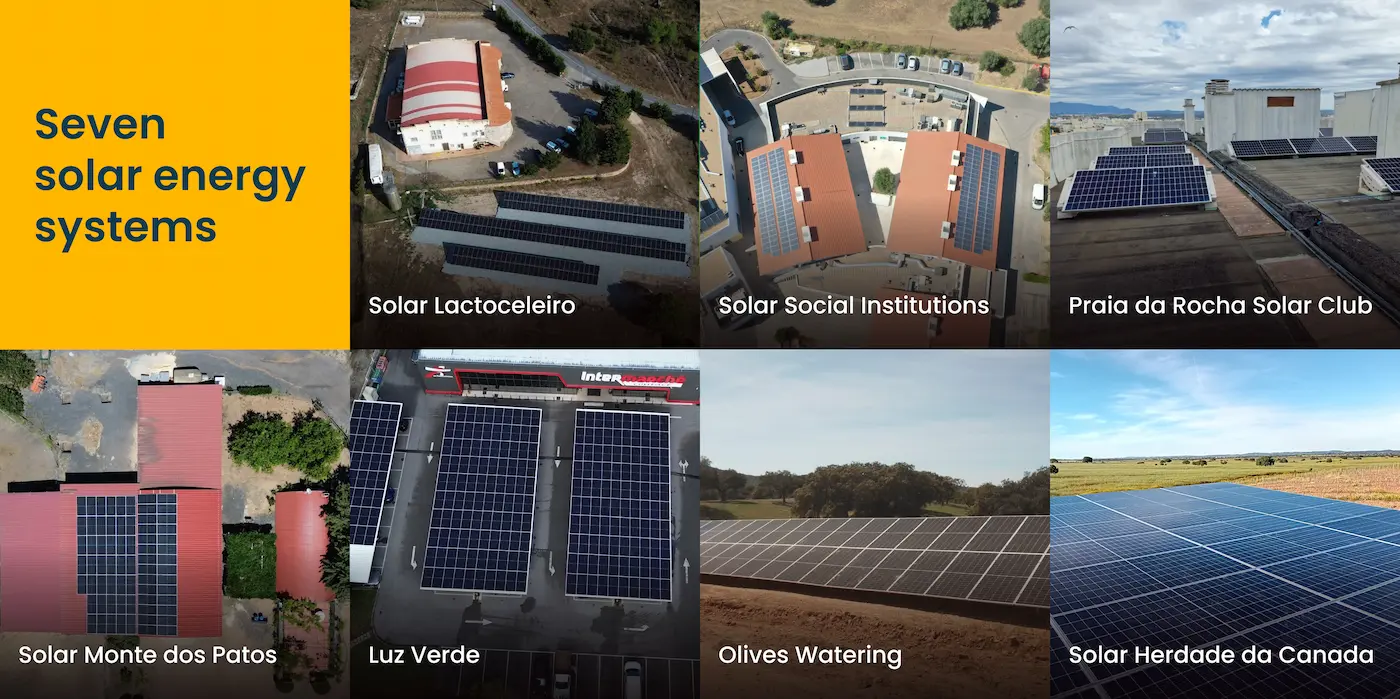
☀️ Seven solar energy systems for self-consumption have been installed in Portugal!
- Solar Lactoceleiro, a Portuguese cheese producer.
- Solar social institutions : two social institutions belonging to Santa Casa da Misericórdia de Serpa, a city in the interior of Portugal, Installed by OutConsulting.
- Praia da Rocha Solar Club: the condominium Praia da Rocha Club located in Portimão, Algarve.
- Solar Monte dos Patos: Monte dos Patos Agricultural Company located in Grândola in Portugal’s Setúbal district.
- Luz Verde: The installer Luz Verde installed the solar panels over the roof of three businesses: Intermarché Poiares, Padaria do Rosario and Herdade Mário Mestre.
- Solar Olives Watering : Promoter Fertilepoca Olivicultura mainly for the watering system at the olive grove in Serpa in the Alentejo region of Portugal.
- Solar Herdade da Canada : The promoter Nuno Alexandre Graça Eugénio de Almeida mainly for the watering system at the olive grove at Canada Farm.
🫵 We’re #hiring
As you may have read in previous emails, this funding round comes with a promise of focus and frugality. We want to make Goparity a profitable company in the coming years.
This means we won’t burst on a hiring spree, but we’ll be hiring for some key roles in the near future.
🙋♂️The question: how did you meet Goparity?
You're part of a growing community of over 60,000 individuals and companies investing for a better future. To reach our goals for 2026, we need this community to keep expanding - and we count on you to help us get there.
By answering this quick 2-minute survey, you’ll help us understand what brought you to Goparity and what motivates you to invest. That insight will help us connect with more like-minded people who also want to make their money matter.
The first investment is on us 👋
We noticed you never invested with Goparity.
At Goparity we take our mission of democratizing access to sustainable investment very seriously. To remove all barriers we want to offer you your first investment!
1. Insert the code NUNO10 in the Redeem code section on your dashboard.
2. Invest in one of our projects (at your choice)!
If you want to invest only 10€ (the minimum investment per project), it’s completely on us! If you want to invest more, you just need to transfer the remaining amount using a card or making a bank transfer.
If you believe in what we’re building at Goparity, please share your experience. Your feedback not only helps us improve, but also helps more people discover impact investing.
🎵 Musical note: This newsletter was mostly written listening to Beirut’s most recent album. An artist capable of such beauty and depth, some very sporadic joy combined intense sadness and melancholy. I hope I’ll ever get to see them live, if he ever plays live again.
5
min read
Investing safely and sustainably in times of uncertainty
The concept of being in “crisis” has been present for quite a while now. At least, the past 14 years (since 2008). With more or less economic activity or growth, the word “crisis” (and the threat of it) has become part of our daily lives.
The concept of being in “crisis” has been present for quite a while now. At least, the past 14 years (since 2008). With more or less economic activity or growth, the word “crisis” (and the threat of it) has become part of our daily lives.
Every once in a while we hear about it sparked by some unfortunate event — giant financial institutions going bankrupt, worldwide epidemics, war — talk of a looming “crisis” emerges and so do the forecasts of disgrace which, quite probably, help speed the whole “crisis” up.
We’re at the start of new one, just after we apparently overcame another (Covid-19), this time sparked by the Russian invasion of Ukraine, it’s consequences on fuel costs and the snowball effect on literally every product on supermarket shelves.
(Note: I’m deliberately not mentioning the climate, environmental and social crisis which add up to our challenges as humankind…).
One lesson that we have also learnt from all the previous ups and downs is that: predictions fail. Sometimes they don’t but nothing is as sure as hindsight bias will come. The problem is it won’t help us now.
With record inflation heights and the threat of economic downturn, can we make sure our money stays valuable while still having a positive impact in the world?
How to invest informed, safely and sustainably?
Investing informed, safely and sustainably is always at the top of our agenda at Goparity.
These principles become even more important amid all the talks and threat of financial crisis and the ongoing social and environmental crisis.
On the one hand, we need to be cautious and keep risks low, on the other hand, with the ongoing record inflation rates, the more idle money you have, the more your losing.
Below I’m sharing a few principles of how to aim for that perfect combination between risk, return and impact through investing in times of crisis:
1. Diversify to mitigate risk - when choosing the projects you’ll invest in please remember the “don’t place all the eggs in the same basket” precept. The more diversified your portfolio is, the more reduced its risk is. Why? Should one project have any problem it will affect you less the smaller its relative weight is in your portfolio.
How to do it: set up an investment strategy to automatically invest in a diversified manner. Or just invest manually but make sure to keep diversification in mind. Don’t know how many investments “diverse” means? Think at least 50 different projects but make sure they’re all according to your preferences and you invest aware.
2. Think long term: better return for you and the planet - we’re often led to think short term investments are better because they provide a faster return on investment. That doesn’t mean they also provide a better return.
Almost all Goparity’s loans are monthly amortized loans. This means borrowers pay principal and interest in every installment, thus reducing their debt every month.
The longer the loan term, the smaller the monthly installment, which means the borrower is more likely to be able to pay the monthly installments from the project’s profit, also reducing the lenders’ (i.e. your) risk.
E.g.: In a 5-year solar power loan it is much more likely that the company can pay its installments from the savings it gets by reducing its own electricity bill than if they borrowed the same money in a 2-year loan. In the example below, the company can pay its loan in 5-year and still save 500€/month from day 1.

How to do it: Look for a healthy combination of short and long term loans. Remember the diversification principle and apply it also to the term of your investments: patience over hurry. As Ray Dalio once said “slow money wins the race”. He probably knows what his talking about 😅
3. Reinvest for better returns - whereas short term investment doesn’t mean better investments or higher returns, what really does mean so is reinvesting and the concept of compound interest. By reinvesting the principal and the interest you get paid every month, not only will you keep diversifying your portfolio as will you also generate significantly higher returns from the same initial investment.
The example below shows the accumulated profit made monthly with our average interest rate (5,3%) on 10.000€ initial investment: it’s a 6,17% vs 5,3% difference between reinvesting or not. And more than twice the profit!

How to do it: set-up an auto-investment strategy that will automatically reinvest your principal paid back and interest. Let time do it’s work and watch your earnings grow.
4. Save, save and compound - if reinvesting principal and interest means higher returns, what to say about combining it with a little saving every month?
Little by little, with very small effort and still operating on a diversified low-risk strategy, saving and compounding combined are what makes your profit curves go exponential.
The example below shows the evolution of gains made on the same investment as the previous example and two more lines with 100€ and 200€ monthly top-ups.

The profit (excluding starting principal and savings added) made from these investments is 850€ and 1700€ higher respectively.
How to do it: create your ow savings and investment strategy in your app. Start by choosing how and how much you’ll top up monthly and then define broad investment criteria, so you’re sure to be applying the diversification and risk mitigation principles.
5. Keep your investment expenses low (or at Zero) – this one is a no-brainer for Goparity users but it’s still worth mentioning because of other investment options you may have. Very often hidden or even transparent fees may impact your returns more than you know.
Wherever you make your investments, be wary of the commissions you’re paying. A small percentage might feel like a small amount but on the long term it can make a huge difference.
E.g.: Let’s take a 100.000€ lump sum investment for 10 years:
- Case 1 — low expenses: 5.3% gross interest rate minus 0.3% fees on interest made = 5% real interest rate.
- Case 2 — high expenses: 5.3% gross interest rate minus 1.3% fees on interest made = 4% real interest rate.
- Case 1 — total profit made goes up to 64.700€ over the 10 years
- Case 2 — total profit made goes up to 49.000€ over the 10 years.
The difference is over 15.000€.
At Goparity we take no commissions or fees from our investors, and this applies to both investment and profit. As we usually say: “investing is free and always will be”.
6. Define a % of your wealth to invest
This final topic is as tricky as it is important. There is literature to defend many different types of approaches with the most commonly found advocating you should only invest between 10% to 20% of you total income.
Deciding the amount to invest necessarily needs some thinking and cannot only be indexed to income, it also needs to consider your fixed expenses (or “needs”) and your other expenses (or “wants”).
The most famous strategy to manage your own budget is likely the 50/30/20 rule — 50% “needs” (such as housing, groceries, utilities, etc), 30% “wants” (leisure, hobbies, vacation, etc.) and 20% for savings and investment.
This said, every person, household and even country is a different case and we all need to plan for ourselves, this type of framework just provides a good starting point (and benchmark).
Wrapping up: saving (even if just a little) and investing informed and recurrently in a diversified project portfolio is the most cautious way to keep your wallet safe in times of turmoil and still contribute to a healthier society and environment.
Disclaimer: none of the points above is advisory or should be taken as a recommendation of investment. It is merely a collection of different principles found in financial literature.

.webp)


.webp)

.svg)

.svg)

.svg)

.svg)
.svg)
.svg)
.svg)
