Goji orchard
Share this

https://goparity.com/projects/goji-orchard-165

Goji orchard

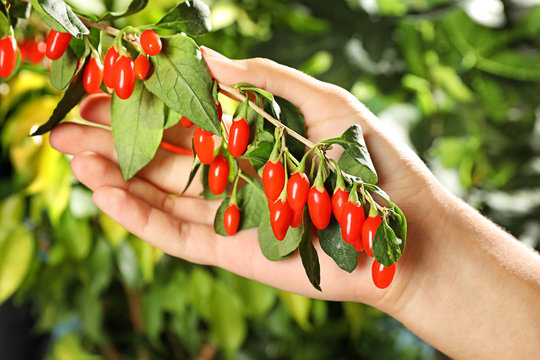
Goji berry orchard in organic production mode.
Investment overview
Impact category
Agrifood Systems
Investment type
Loan
Yearly interest
5
%
Term
60
months
Risk level
The Risk Rating is the result of our credit risk assessment, which looks at the promoter’s financial strength and the project’s viability. It’s shown from A+ (lowest risk) to D (highest risk) and helps you compare projects and make informed decisions.
A
D
B-

View more

Share article

https://goparity.com/projects/goji-orchard-165

Description
Impact
Financial viability
Promoter

What will you be financing?

Tasty Fields was created in 2018 by Ana and Dário, who wanted to grow an organic goji berry orchard, in Montijo, in the centre of Portugal.

The current pandemic has reinforced the demand for fresher foods, which are beneficial to health, with strong vitamin and antioxidant properties, and a cultivation method that respects the environment and does not aggravate climate change. Goji berries fit into this trend.

In the last year, the founding partners dedicated themselves to studying the culture and its production techniques, as well as learning about other productions and planning the growth of the company.

After preparing the land for cultivation (clearing, cleaning, root removal), the next step is the acquisition and installation of the irrigation infrastructure and the photovoltaic system required for its autonomous operation.
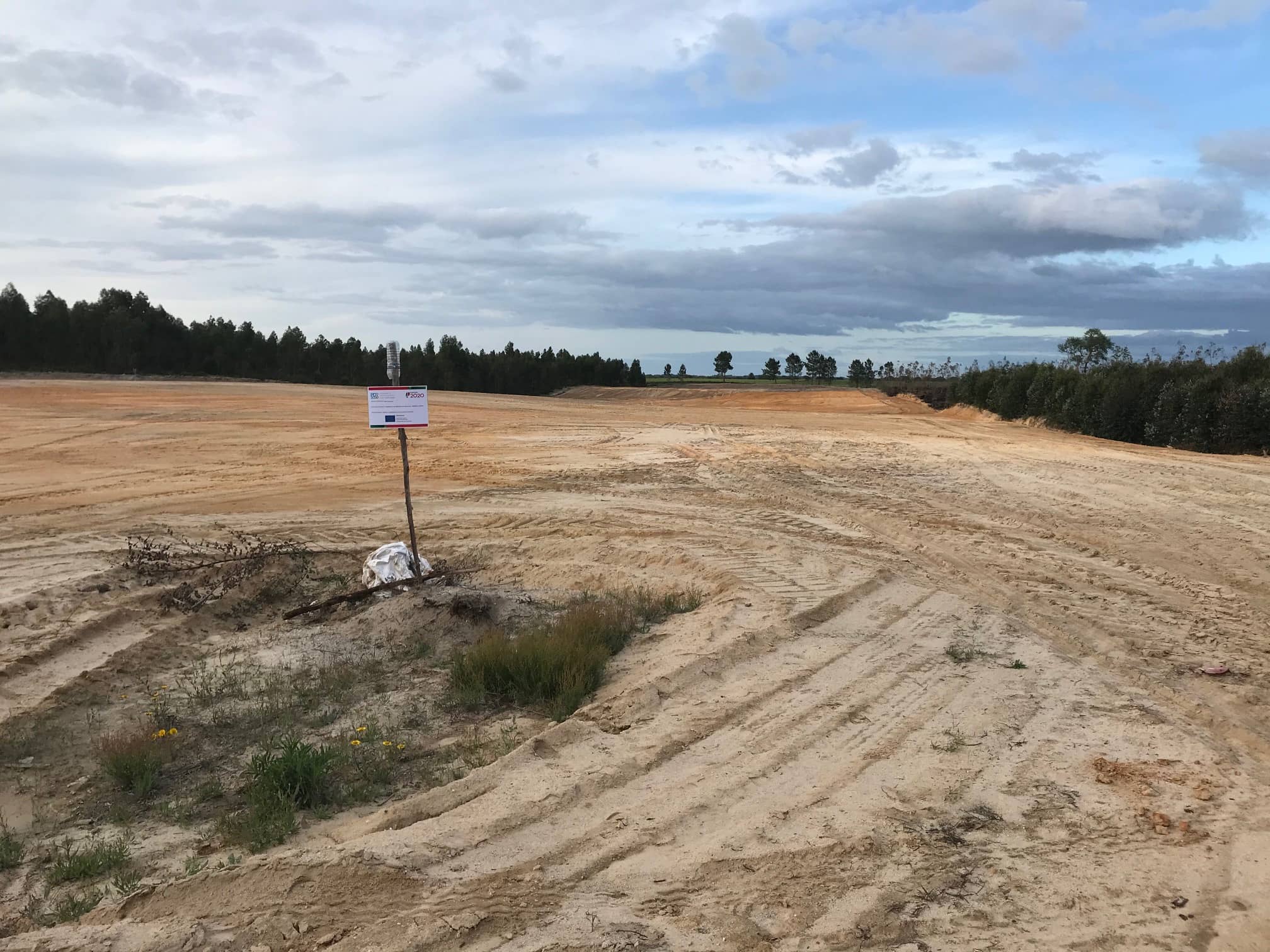
The company plans to start producing and marketing goji berries as early as 2022 (albeit with little expression), expecting a gradual increase every year and reaching installed production capacity in 2025 (60 tons per year).

What is the impact?

Direct: 

  • Contribution to the decarbonization of the economy, through the generation of clean energy: The cultivation area is located in a forest area, so the entire operation will be isolated from the national electricity grid, that is, all electricity will be produced using solar energy. The dehydration of the berries will be done using a Black Block dehydrator, also powered by solar panels. The installed panels will produce an average of 9.1 MWh of clean energy per year, avoiding the emission of an average of 1.4 tons of CO2 per year.
  • Reduction of the ecological footprint of transport: the consumption of goji berries have grown in the European Union in recent years, especially in countries with greater purchasing power (such as Germany, Switzerland and the Netherlands). As a consequence of the increase in demand, there has been an increase in the importation of this crop from China and the USA (large producers), which contributes to increasing the carbon footprint due to transport. The increase in local production and distribution will reduce this footprint. 
  • Creation of two jobs. 
  • Reduced water consumption due to the low water requirement of goji berries (culture adapted to adverse weather conditions), combined with an efficient drip irrigation system powered entirely by solar energy. Efficient management of waste (mostly from pruning) that will be placed between the lines, to transform into organic matter. 
  • Certified organic production method: with the PT-BIO-03 certificate, Tasty Fields is a certified goji berry producer, which implies complying with the requirements of Regulation (EC) 834/2007 and Regulation (EC) 889/2008, concerning the organic production method. The company hopes to produce around 60 tonnes of goji berries a year, on a 4.5 ha plot of land. 
  • Sustainable forest management: the promoter will be an active agent in the prevention of fires, as the crop will be implemented in a forest area.

Indirect: 

  • Promotion of a sustainable food production system with resilient agricultural practices that increase productivity and maintain ecosystems, strengthening the capacity to adapt to climate change. 
  • Promotion of the local economy through synergies with local and regional producers,as well as other agents of the local economy, contributing to the fixation of the local population.

Impact indicators

1400
CO2 avoided per year
9100
clean energy
2
created by our projects
5
of sustainable
impacted

Contribution to the Sustainable Development Goals

About the Promoter

About
Tasty Fields, Lda

Direct: 

  • Contribution to the decarbonization of the economy, through the generation of clean energy: The cultivation area is located in a forest area, so the entire operation will be isolated from the national electricity grid, that is, all electricity will be produced using solar energy. The dehydration of the berries will be done using a Black Block dehydrator, also powered by solar panels. The installed panels will produce an average of 9.1 MWh of clean energy per year, avoiding the emission of an average of 1.4 tons of CO2 per year.
  • Reduction of the ecological footprint of transport: the consumption of goji berries have grown in the European Union in recent years, especially in countries with greater purchasing power (such as Germany, Switzerland and the Netherlands). As a consequence of the increase in demand, there has been an increase in the importation of this crop from China and the USA (large producers), which contributes to increasing the carbon footprint due to transport. The increase in local production and distribution will reduce this footprint. 
  • Creation of two jobs. 
  • Reduced water consumption due to the low water requirement of goji berries (culture adapted to adverse weather conditions), combined with an efficient drip irrigation system powered entirely by solar energy. Efficient management of waste (mostly from pruning) that will be placed between the lines, to transform into organic matter. 
  • Certified organic production method: with the PT-BIO-03 certificate, Tasty Fields is a certified goji berry producer, which implies complying with the requirements of Regulation (EC) 834/2007 and Regulation (EC) 889/2008, concerning the organic production method. The company hopes to produce around 60 tonnes of goji berries a year, on a 4.5 ha plot of land. 
  • Sustainable forest management: the promoter will be an active agent in the prevention of fires, as the crop will be implemented in a forest area.

Indirect: 

  • Promotion of a sustainable food production system with resilient agricultural practices that increase productivity and maintain ecosystems, strengthening the capacity to adapt to climate change. 
  • Promotion of the local economy through synergies with local and regional producers,as well as other agents of the local economy, contributing to the fixation of the local population.

Promoter website

Business Model

Lorem ipsum dolor sit amet, consectetur adipiscing elit. Suspendisse varius enim in eros elementum tristique. Duis cursus, mi quis viverra ornare, eros dolor interdum nulla, ut commodo diam libero vitae erat. Aenean faucibus nibh et justo cursus id rutrum lorem imperdiet. Nunc ut sem vitae risus tristique posuere.

Sign up to access the full details

Open account
Already have an account? Sign in
Campaign progress

0%

New opportunity. Be among the first to invest.
of target

5000000

Minimum

5000000

Target

5000000

Maximum

Closed

Auto-invest

Turn investments into a diversified strategy

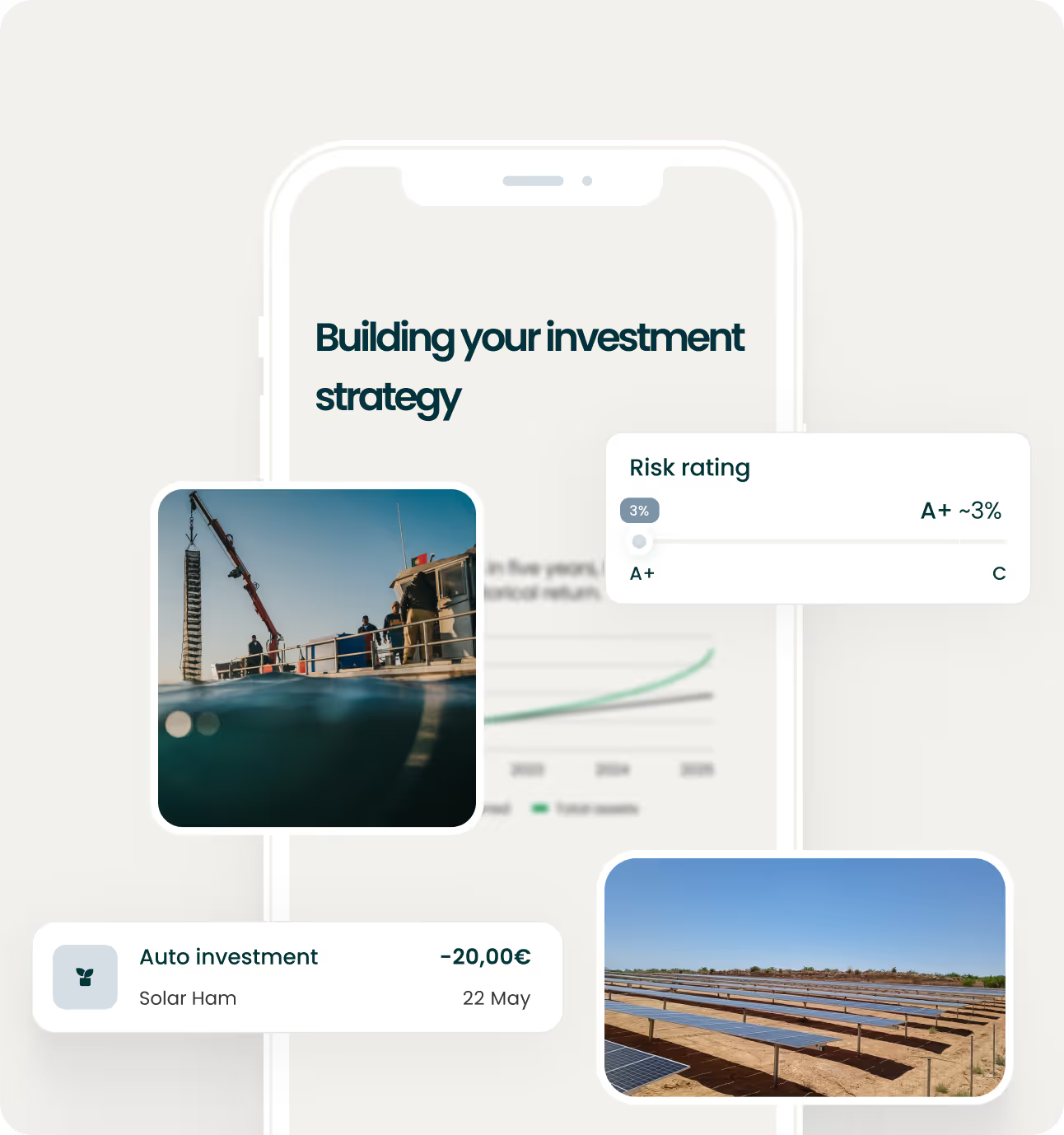
Set your criteria once, and auto-invest will handle the rest. It matches your balance to new loan opportunities as they open, spreads it across projects automatically, and reinvests repayments as they come in. A consistent, diversified approach, without the manual effort.

Investment strategy app screen with risk rating, auto investment info, and photos of solar panels and a boat crane.

Need financing?

Raise capital from a community of impact-focused investors.

7.72% Portfolio IRR with stack icon, 60,000 Goparity users with user icon, large G logo on yellow background.

Download the app

Track projects, manage investments, and follow your returns.