
.webp)
Carbon credits are everywhere in climate conversations, and almost nowhere in plain explanation. Most people have heard the term. Far fewer understand what a carbon credit actually is, how it gets made, or why some cost 50 cents while others cost 55€. We recently co-hosted a webinar with Francesco Musardo, CEO of Radica - Esférico's parent group - on exactly that. What followed was a grounded, honest conversations about the carbon market. Here's what stood out.
Removal vs avoidance: and why the difference matters more than most people realise
The first thing Francesco wanted to clear up was the distinction between two types of carbon credits that often get conflated.
Avoidance credits protect something that already absorbs carbon - a forest, a wetland - from being destroyed. Removal credits create entirely new sequestration, pulling CO₂ out of the atmosphere through practices that wouldn't have happened otherwise.
The gap between them isn't semantic. It's regulatory. As Francesco put it:
"Removals are much more valuable than avoidance, because you can only achieve net zero by using removal credits. This is what the new CSRD and new legislation are going towards."
How a carbon credit gets made
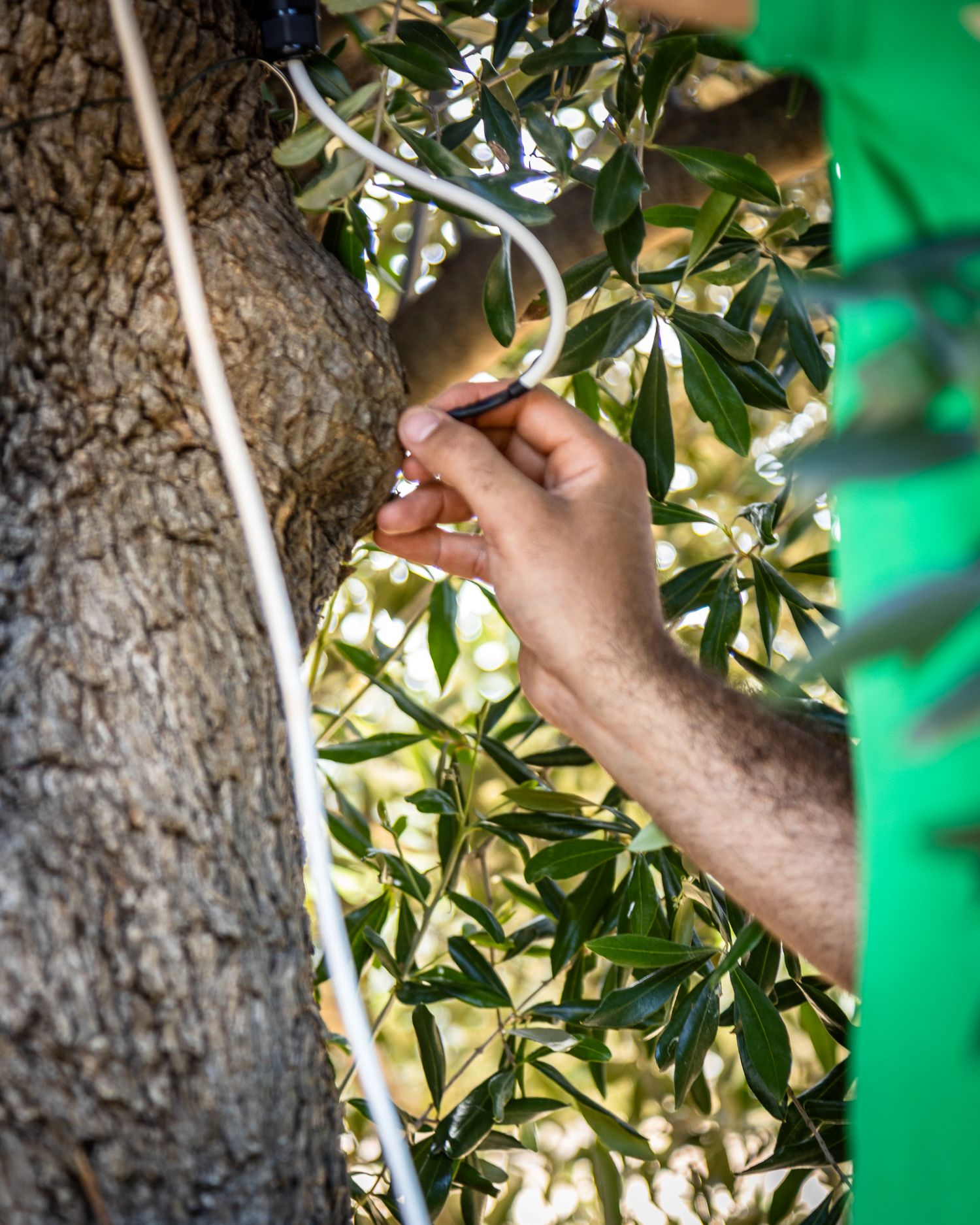
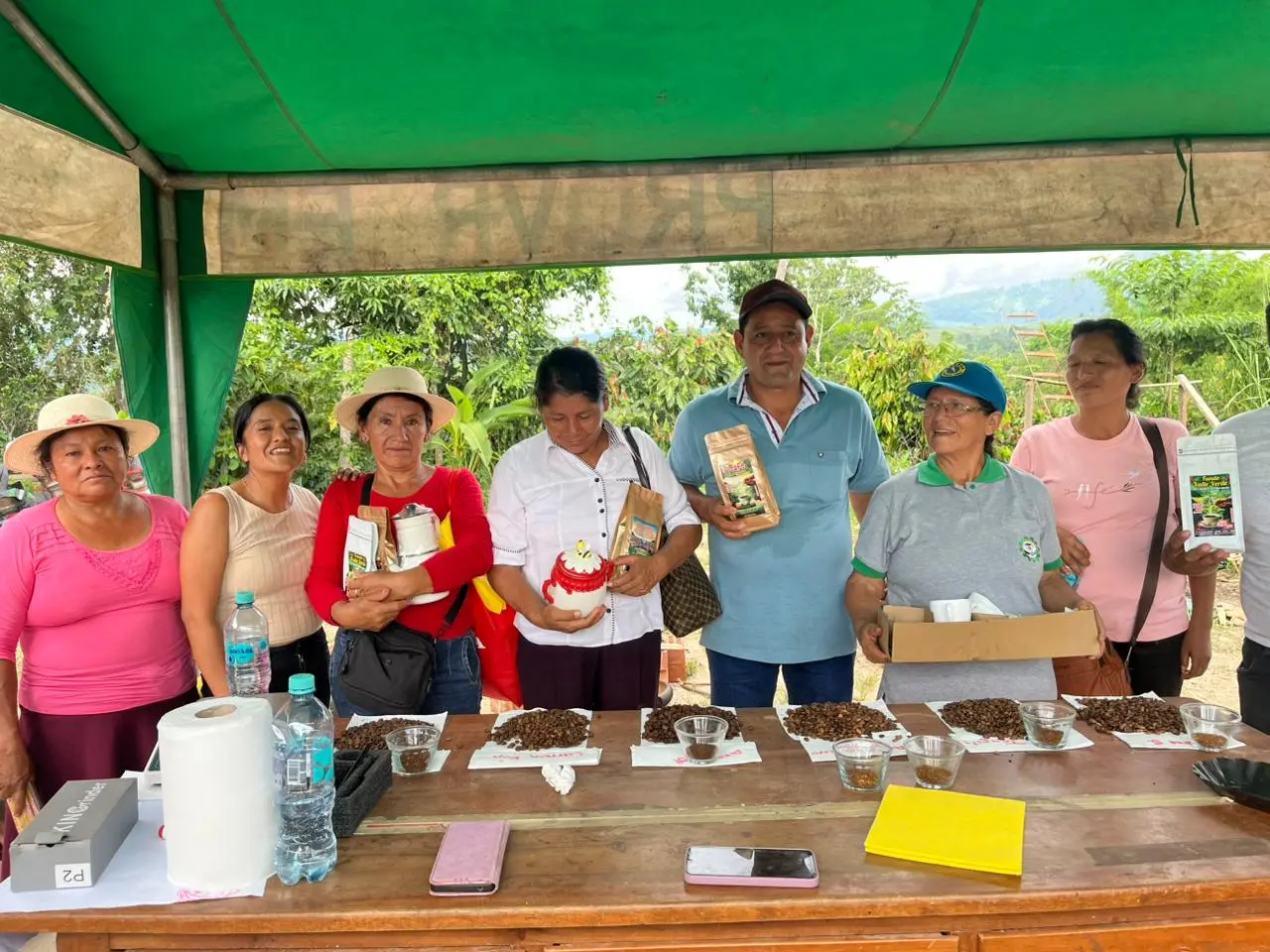
Esférico works with farmers across Italy and Spain to adopt regenerative practices: cover cropping, reduced tillage, agroforestry. Those practices pull carbon into the soil and biomass. Then the measurement begins.
The process combines soil sampling, geospatial analysis, and satellite monitoring. Once the data is collected, an independent Validation and Verification Body (VVB) steps in. Their job is to check everything.
"The VVB will come to the field and will say: I have ascertained that the activities have actually been implemented. So the estimate, all the measurements that Radica have provided, correspond to the truth. And so the credits can then be issued."
It's a circle of accountability: the project developer, the registry, and the independent verifier all check each other's work. Credits are only issued after all three are satisfied.
Why some credits cost 50 cents and others cost 55€
This is the question that gets to the heart of the market's credibility problem. Francesco answered it directly.
Pricing starts with the farmer. Esférico calculates how much a farmer needs to earn in order to actually change their practices - typically between 150€ and 250€ per hectare. An olive grove, with four to five regenerative practices applied, sequesters around four to five tonnes of CO₂ per hectare. That means the credit can't be priced below roughly 50€ if the farmer is going to be fairly compensated.
"You can find credits for 50 cents in the market. So you can understand that when we are faced with this question - why does your credit cost 55€ when we can find credits for 50 cents - this is where you basically go in and explain the differences between one and the other."
On top of fair farmer pricing, Esférico adds non-delivery risk insurance and third-party ratings. Their Italian project is rated Triple B by BeZero - the equivalent of Standard & Poor's for the carbon market - placing it in the top 5% of all soil-based carbon projects globally.
What makes a credit compliance-grade
Francesco described three hallmarks that any serious carbon credit must meet:
- Additionality - the project creates impact that wouldn'thave existed without it. The carbon sequestered is genuinely new.
- Permanence - the carbon stays stored for a defined period.For Esférico, that's a minimum of 15 years per project, enforced through adouble buffer mechanism: 10% of credits held by the registry, another 10% heldinternally and only released to farmers who stay in the programme long term.
- Conservative measurement - credits are measured after the fact, never overstated, never double counted. As Francesco put it, a credit has to be measured "on an ex-post basis - you adopt the practice and then you measure."
Who buys these credits, and why
Demand spans the full range. Esférico sells to a doctor's office buying two tonnes and to Lufthansa buying at scale. The only filter is values; they don't sell to industries that conflict with their sustainability principles.
That demand is already outpacing supply. In Francesco's words:
"We have already sold more credits than we have actually generated so far, for future delivery."
What comes next
The EU's Carbon Removal Certification Framework (CRCF) is approaching, and registries including Esférico's are already adapting their methodologies to align with it. Full regulatory alignment is expected around 2027. Esférico is preparing now.
The programme is also shifting from individual farmer onboarding to a cooperative model, allowing hundreds of farms to join at once through a single partnership, rather than one farmer at a time. It's how they plan to reach 500.000 hectares by 2030.
The carbon market has a credibility problem that won't be solved by better marketing. It'll be solved by projects that are rigorous, built on real farms, verified by independent bodies, rated by agencies with no stake in the outcome, and designed to pay farmers fairly for work that actually matters.
That's what a high-integrity carbon credit looks like. And that's what Esférico is building.
Written by



.webp)

.svg)

.svg)


.svg)

.svg)
.svg)
.svg)
.svg)
