Team Goparity

Team Goparity

Discover

Team Goparity

articles

Thank you! Your submission has been received!
Oops! Something went wrong while submitting the form.
Announcements

5

min read

Equity is coming soon: the next step in impact investing

For years, Goparity has given investors a way to put their money directly behind projects they believe in through crowdlending, earning interest as loans are repaid. That model remains at the heart of what we do. But we're opening a new chapter.

For years, Goparity has given investors a way to put their money directly behind projects they believe in through crowdlending, earning interest as loans are repaid. That model remains at the heart of what we do. But we're opening a new chapter.

Equity crowdfunding will soon be available on Goparity.

Instead of lending money to a company, you can invest in the company itself, becoming a shareholder and sharing in its potential growth.

It’s a different way of investing, with a different time horizon and a different approach to returns and risk.

So, what does that actually mean for you as an investor? In this article, we’ll look at how equity works, how it differs from crowdlending, how a return can happen, and what to consider before investing.

How equity differs from crowdlending

Most Goparity investors are already familiar with crowdlending. You lend money to a company or project, earn interest on a fixed schedule, and receive your capital back at the end of the term. You're a creditor. The promoter owes you money.

With equity, you become a shareholder instead.

When you invest in an equity campaign, you're buying a small ownership stake in a company. You become a shareholder in the business and take part in its potential growth, with the possibility of significant returns if the company grows substantially; however, you also take on the risk of losing part or all of your investment if the company does not grow as expected or goes out of business.  

There is no fixed interest rate, no scheduled repayment and no defined end date.  

Your potential return depends on how the company performs over time. It can come in different ways, including dividends, an increase in the value of your shares, or a liquidity event that gives you an opportunity to sell them.

For now, the key thing to understand is that none of these outcomes is guaranteed. This is why equity is generally a long-term investment. It can take several years before there is an opportunity to realise the value of your investment, and there may never be one.  

The fundamental difference is simple: with crowdlending, you lend to a company. With equity, you invest in its ownership.

Will you really become a shareholder?

Yes, through a SPV, not directly in the company. Once an equity round closes and the legal formalities are completed, your investment is held through a Special Purpose Vehicle (SPV): a separate legal entity that groups the whole investor community into a single shareholder on the company's cap table. Your stake reflects your share of what the SPV holds.

Being part of the SPV doesn't mean taking part in the company's day-to-day management. It does mean having an economic interest in the company's future value, with information rights and terms set out in the SPV's own documentation.

It also means that if the company grows in value, your shares may become more valuable too.

Most equity rounds on Goparity also involve a lead investor, typically an institutional or experienced investor who invests in the round and helps establish its key terms before the campaign opens to the community.  

Goparity itself does not act as the lead investor.

How can an equity investment generate a return?  

There are several ways your investment may generate a return over time.  

Dividends are one possibility. If a company makes profits and decides to distribute some of them to shareholders, you may receive a share of those profits. But dividends are not guaranteed, and early-stage companies may choose to reinvest their profits into the business instead.  

The value of your shares can also increase. If the company grows and becomes more valuable, the shares you own may be worth more than when you invested. But an increase in value doesn't automatically put cash in your account. To turn that value into a realised return, you generally need an opportunity to sell your shares.  

This is where liquidity events come in. A company might be acquired by another business, for example, allowing shareholders to receive a share of the proceeds. It could eventually go public through an IPO, making its shares publicly tradable. The company might buy back shares from investors, or another investor might purchase your shares in a secondary sale.  

These are some of the possible ways shareholders can eventually realise the value of their investment.  

None of them is guaranteed. A company may not pay dividends, its value may not increase, and a liquidity event may never take place. Even if one does happen, it may not result in a positive return.  

The important thing to remember is that equity doesn't come with a predetermined return. You're investing in a company's future, and the outcome will depend on how that company performs over time.

What are the risks?

As you've seen throughout this article, equity comes with a different risk profile from crowdlending.

The value of your investment depends on how the company performs, and there is no guarantee of dividends, growth in the value of your shares or a future opportunity to sell them. You may have your money invested for several years, and you could lose some or all of what you invested.

There is also the risk of illiquidity: even if your shares have increased in value, you may not be able to sell them when you want to.

In other words, the potential for growth comes with the possibility of loss. That's part of what it means to invest in a company rather than lend it money.

The important thing is to understand these risks before investing and to only invest an amount you're comfortable committing for the long term.

A different kind of investment, for a different kind of investor

Equity and crowdlending are not in competition. They are different tools, suited to different investment profiles and different stages of a company's growth. Some investors will use both. Others will prefer one over the other.  

What matters is going in clear-eyed about what each one is, and what it isn't - understanding the opportunity, the risks and the time horizon, and deciding whether a particular investment makes sense for you.

Equity crowdfunding on Goparity will be available to anyone who has completed identity verification, including people who have never invested before.  

Our projects

5

min read

Inside the carbon credit market: what we learned from Esférico's CEO

Carbon credits are everywhere in climate conversations, and almost nowhere in plain explanation. Most people have heard the term. Far fewer understand what a carbon credit actually is, how it gets made, or why some cost 50 cents while others cost 55€. We recently co-hosted a webinar with Francesco Musardo, CEO of Radica - Esférico's parent group - on exactly that. What followed was a grounded, honest conversations about the carbon market. Here's what stood out.

Carbon credits are everywhere in climate conversations, and almost nowhere in plain explanation. Most people have heard the term. Far fewer understand what a carbon credit actually is, how it gets made, or why some cost 50 cents while others cost 55€. We recently co-hosted a webinar with Francesco Musardo, CEO of Radica - Esférico's parent group - on exactly that. What followed was a grounded, honest conversations about the carbon market. Here's what stood out.

Removal vs avoidance: and why the difference matters more than most people realise

The first thing Francesco wanted to clear up was the distinction between two types of carbon credits that often get conflated.

Avoidance credits protect something that already absorbs carbon - a forest, a wetland - from being destroyed. Removal credits create entirely new sequestration, pulling CO₂ out of the atmosphere through practices that wouldn't have happened otherwise.

The gap between them isn't semantic. It's regulatory. As Francesco put it:

"Removals are much more valuable than avoidance, because you can only achieve net zero by using removal credits. This is what the new CSRD and new legislation are going towards."


How a carbon credit gets made

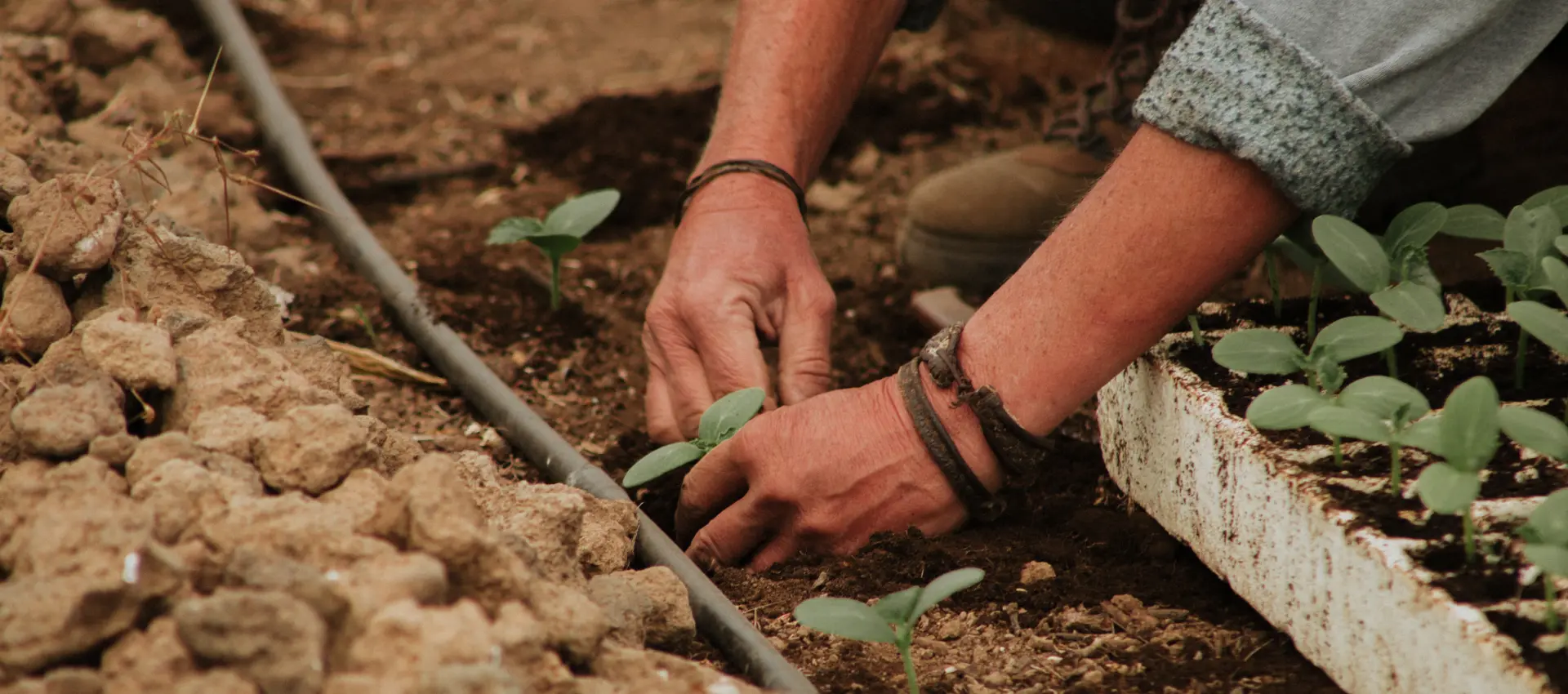
Esférico works with farmers across Italy and Spain to adopt regenerative practices: cover cropping, reduced tillage, agroforestry. Those practices pull carbon into the soil and biomass. Then the measurement begins.

The process combines soil sampling, geospatial analysis, and satellite monitoring. Once the data is collected, an independent Validation and Verification Body (VVB) steps in. Their job is to check everything.

"The VVB will come to the field and will say: I have ascertained that the activities have actually been implemented. So the estimate, all the measurements that Radica have provided, correspond to the truth. And so the credits can then be issued."

It's a circle of accountability: the project developer, the registry, and the independent verifier all check each other's work. Credits are only issued after all three are satisfied.


Why some credits cost 50 cents and others cost 55€

This is the question that gets to the heart of the market's credibility problem. Francesco answered it directly.

Pricing starts with the farmer.  Esférico calculates how much a farmer needs to earn in order to actually change their practices - typically between 150€ and 250€ per hectare. An olive grove, with four to five regenerative practices applied, sequesters around four to five tonnes of CO₂ per hectare. That means the credit can't be priced below roughly 50€ if the farmer is going to be fairly compensated.

"You can find credits for 50 cents in the market. So you can understand that when we are faced with this question - why does your credit cost 55€ when we can find credits for 50 cents - this is where you basically go in and explain the differences between one and the other."

On top of fair farmer pricing, Esférico adds non-delivery risk insurance and third-party ratings. Their Italian project is rated Triple B by BeZero - the equivalent of Standard & Poor's for the carbon market - placing it in the top 5% of all soil-based carbon projects globally.


What makes a credit compliance-grade

Francesco described three hallmarks that any serious carbon credit must meet:

  • Additionality - the project creates impact that wouldn'thave existed without it. The carbon sequestered is genuinely new.
  • Permanence - the carbon stays stored for a defined period.For Esférico, that's a minimum of 15 years per project, enforced through adouble buffer mechanism: 10% of credits held by the registry, another 10% heldinternally and only released to farmers who stay in the programme long term.
  • Conservative measurement - credits are measured after the fact, never overstated, never double counted. As Francesco put it, a credit has to be measured "on an ex-post basis - you adopt the practice and then you measure."


Who buys these credits, and why

Demand spans the full range. Esférico sells to a doctor's office buying two tonnes and to Lufthansa buying at scale. The only filter is values; they don't sell to industries that conflict with their sustainability principles.

That demand is already outpacing supply. In Francesco's words:

"We have already sold more credits than we have actually generated so far, for future delivery."


What comes next

The EU's Carbon Removal Certification Framework (CRCF) is approaching, and registries including Esférico's are already adapting their methodologies to align with it. Full regulatory alignment is expected around 2027. Esférico is preparing now.

The programme is also shifting from individual farmer onboarding to a cooperative model, allowing hundreds of farms to join at once through a single partnership, rather than one farmer at a time. It's how they plan to reach 500.000 hectares by 2030.

The carbon market has a credibility problem that won't be solved by better marketing. It'll be solved by projects that are rigorous, built on real farms, verified by independent bodies, rated by agencies with no stake in the outcome, and designed to pay farmers fairly for work that actually matters.

That's what a high-integrity carbon credit looks like. And that's what Esférico is building.

‍

Our projects

5

min read

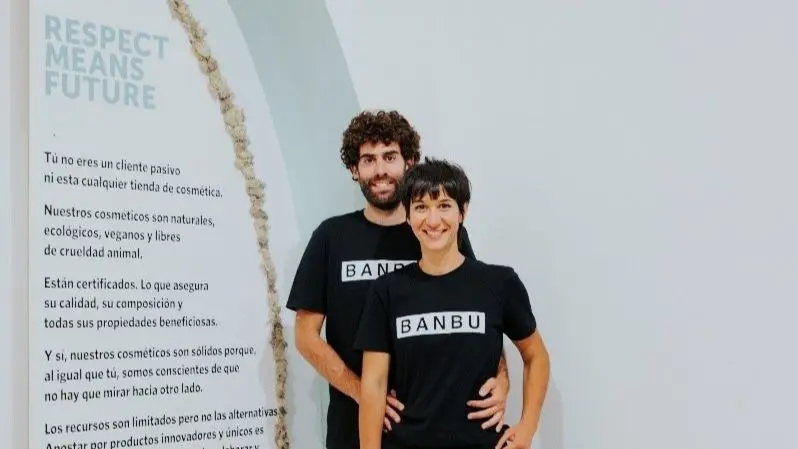
Banbu: clean cosmetics that start with a personal story

Banbu's catalogue covers more than 130 products across hair, body, face, dental care, and perfumery. All are made locally in Spain, with biodegradable or compostable packaging. Manufacturing is outsourced to a Spanish producer, but Banbu retains full intellectual property over all its formulas, registered in the CPNP.

Hello,

A new project is coming to Goparity - and it is one with a story worth telling. Banbu is a Spanish brand built on a simple but serious conviction: the products people use every day should not work against them.

‍

‍

🌿 Where it started

Banbu's co-founder Verónica was 18 when she was diagnosed with polycystic ovary syndrome and had to undergo emergency gynaecological surgery. What followed was years of research into hormonal health - and a discovery that changed the direction of her life.

The products she had been using daily, shampoos, deodorants, moisturisers, contained endocrine disruptors: substances capable of interfering with the body's hormonal system. They were legal, widely sold, and almost entirely invisible to consumers. She could not find products she fully trusted. So she built them.

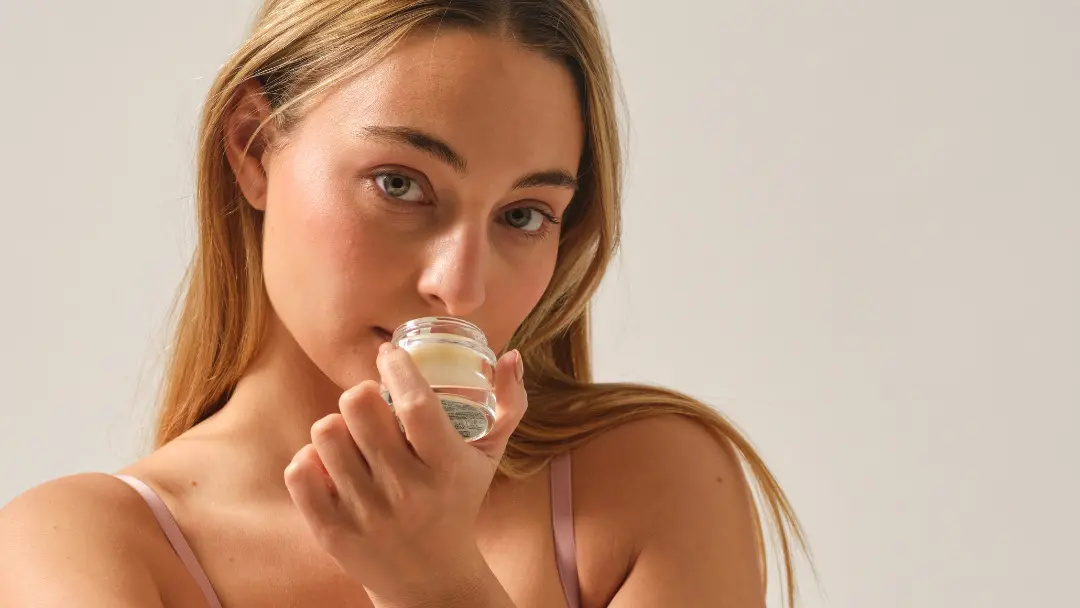
Banbu was born from that decision. Every formula is vegan, water-free, and free from endocrine disruptors. Every product ships without single-use plastics. It is a mission with a product line - and a growing community of people who have decided they deserve better.

‍

🫧 What Banbu makes

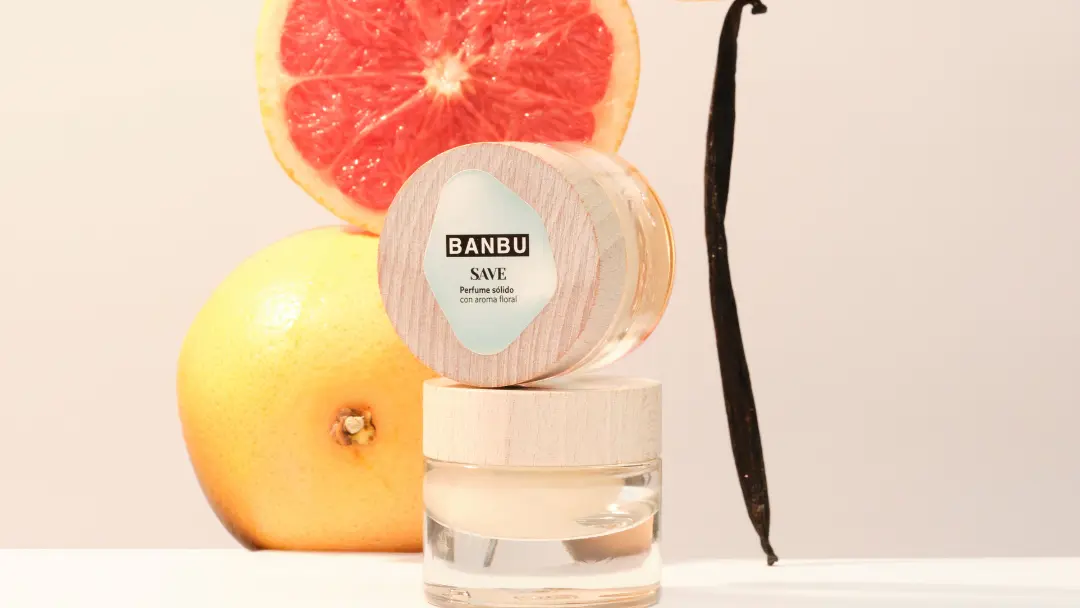
Banbu's catalogue covers more than 130 products across hair, body, face, dental care, and perfumery. All are made locally in Spain, with biodegradable or compostable packaging. Manufacturing is outsourced to a Spanish producer, but Banbu retains full intellectual property over all its formulas, registered in the CPNP.

The brand operates through a hybrid model: a direct online store, three physical shops in Bilbao, Barcelona, and San Sebastián, and a B2B network of more than 300 multi-brand retailers and international distributors across Spain, Portugal, Italy, the Netherlands, and Germany.

‍

‍

📊 What the funds will be used for

The funds raised through this campaign will partially finance Banbu's strategic growth plan for 2026 to 2028. The plan focuses on three areas:

  • 💰 Inventory to support the expected increase in sales
  • 📣 Marketing and customer acquisition, including digital advertising, e-commerce optimisation, and educational content on hormonal health
  • 🔬 Research and development, covering new anhydrous formulas and proprietary traceability and impact software

The goal is to accelerate customer acquisition, improve retention, expand into new sales channels, and consolidate operational profitability by 2027.

‍

🌱 The impact Banbu creates

Every product Banbu sells removes an endocrine-disrupting alternative from a consumer's routine. At scale, that adds up.

By 2026, Banbu's operations are projected to deliver:

  • ♻️ 334 tonnes of CO₂ avoided‍
  • 💧 442,300 litres of fresh water saved‍
  • 📦 653,744 packaging units avoided

Banbu only uses reusable materials for packaging - aluminium, paper, and glass. 100% of the paper used is recyclable, sourced from PEFC and FSC certified producers. 20% of products are available with refill systems, reducing packaging waste further. And by producing solid cosmetics instead of water-heavy liquid alternatives, the brand significantly reduces water consumption at the point of manufacture.

‍

👥 The team

Banbu was co-founded by Verónica Diez, CMO, who brings over eight years of experience in e-commerce and digital marketing, and Rodrigo Folgueira, CEO, who has a background in aeronautical engineering and over a decade of experience in sales and team management. The company's CFO, Sara Amor, has eight years of experience in administration and finance across multiple sectors.

‍

‍

Investments made through the Goparity platform carry risk, including the risk of partial or total loss of capital. Loan repayments are made by the promoter through the platform. Past performance does not guarantee future results.

Our projects

5

min read

‍Aquila: Goparity's first project in Southeast Asia

We are excited to share that the Aquila campaign marks a significant milestone for Goparity: our very first project in Southeast Asia.

We are excited to share that the Aquila campaign marks a significant milestone for Goparity: our very first project in Southeast Asia.

This is not just a new campaign. It is the beginning of our impact journey in one of the most promising and fastest-growing clean-energy regions in the world.

‍

🌏 Why Southeast Asia, why now?

Southeast Asia is one of the world's most dynamic regions: young, fast-growing, and rapidly scaling climate-tech solutions. Renewable energy adoption is accelerating, and the need for innovative financing mechanisms to support that transition is real and urgent.

The numbers speak for themselves. The region is home to over 675 million people, and energy demand is growing faster here than almost anywhere else on the planet. At the same time, millions of households still cannot access affordable, reliable power - let alone clean energy. The gap between ambition and access remains wide.

Many households across the region cannot access the upfront capital needed to install solar, even when the long-term savings are clear. This is not a technology problem. It is a financing problem. And it is exactly the kind of problem that impact investing is well placed to solve.

‍

‍

☀️ What is Aquila doing about it?

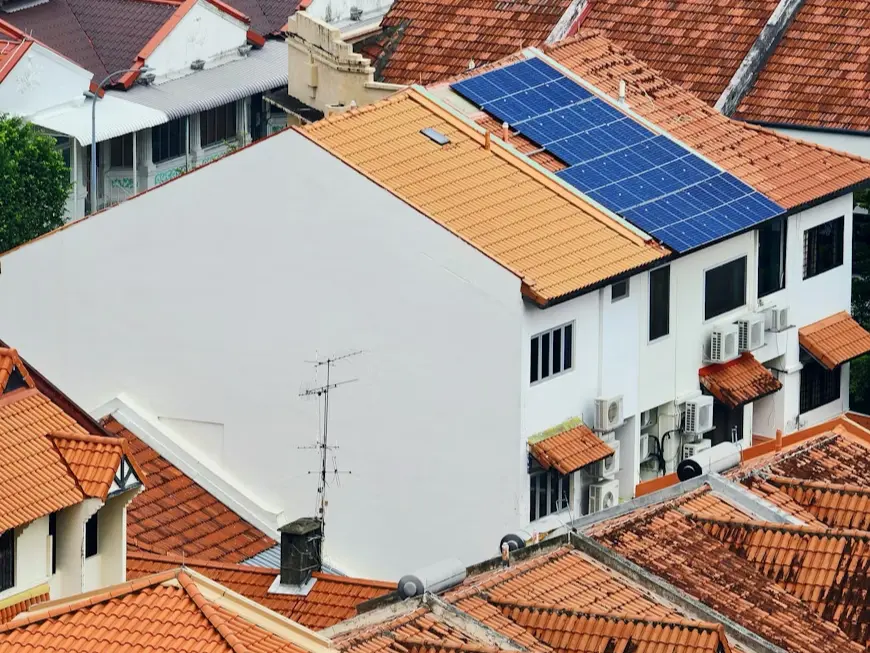
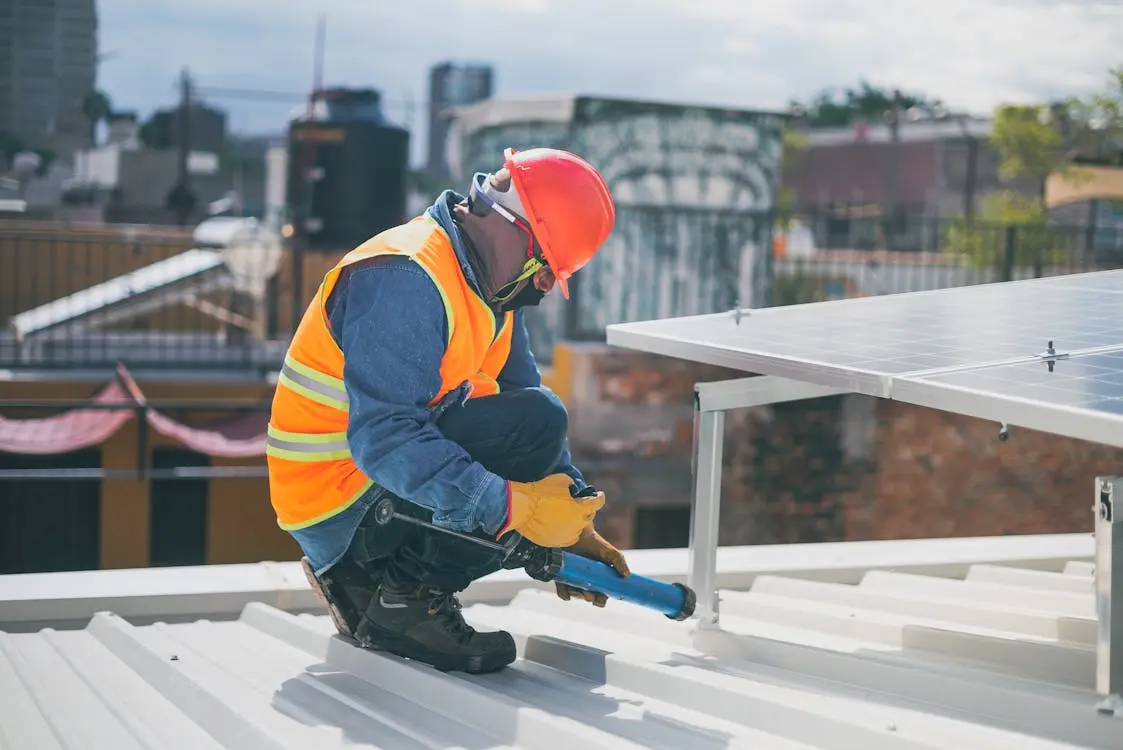
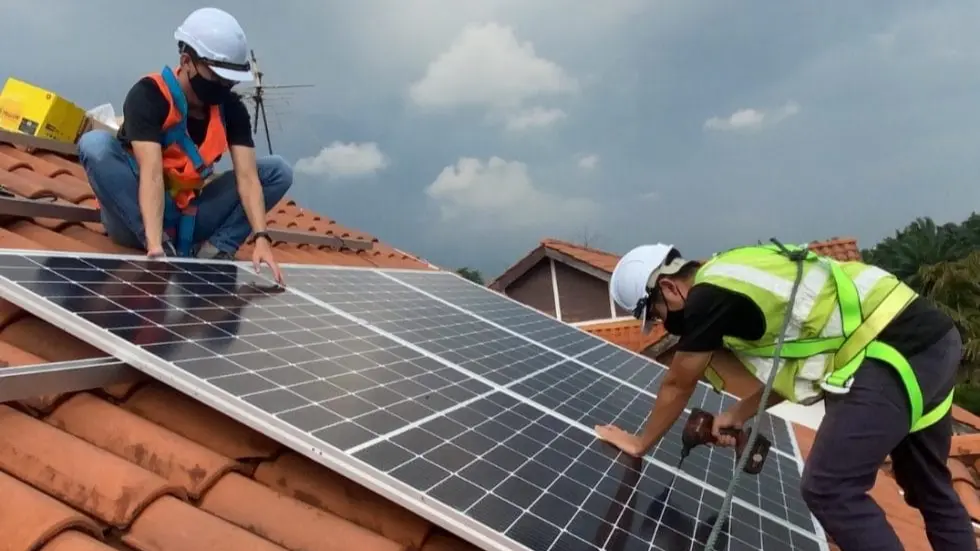
The campaign finances the expansion of Okapi, a Malaysian company helping families install rooftop solar panels with zero upfront cost. For many of these households, the barrier to clean energy has never been a lack of interest - it has been access to financing. Okapi removes that barrier entirely, partnering with trusted local installers who manage installation, operation, and ongoing maintenance. Families switch to clean, affordable power immediately, with no initial outlay required.

‍

The campaign finances 58 new residential solar systems and contributes directly to:

  • 🌿 538 tonnes of CO₂ avoided per year‍
  • ⚡ 696 MWh of clean energy generated annually‍
  • 💡 Reduced electricity costs for Malaysian families
  • 🌱 Expanded access to reliable, affordable solar power in a region where the need is growing fast

‍

🌱 A region at a turning point

Southeast Asia is not a single story. It is a collection of fast-moving economies at different stages of their energy transitions - and that is precisely what makes it so significant.

Countries like Malaysia, Indonesia, Vietnam, and the Philippines are setting increasingly ambitious renewable energy targets. Private capital is beginning to follow. But the financing infrastructure to connect that capital to the households and communities that need it most is still being built.

Aquila Climate Capital, the promoter behind this campaign, is headquartered in Singapore and operates across the region. Their track record includes USD 22 million deployed across 20 renewable-energy projects in 5 Southeast Asian countries. They are not newcomers to this market - they have spent years building the relationships, the due diligence processes, and the local expertise needed to make projects like this work.

‍

‍

🛡️ De-risking emerging market investment

Investing in a new geography always raises questions. That is fair and reasonable. One of the reasons we were drawn to this campaign is the quality of the protection structure around it.

Energy 4 Impact powered by Mercy Corps, a globally respected organisation accelerating clean-energy access in emerging markets, activated a €60,000 first-loss guarantee backing this campaign - equivalent to 20% of the total investment. In the event of any capital loss, that 20% is covered from the outset, before any other safeguards come into play.

This kind of blended-finance mechanism matters beyond the protection it offers individual investors. It is real-world evidence of how targeted guarantees can mobilise private capital for clean energy in markets where financing is scarce. When organisations like Energy 4 Impact put their own resources behind a project, it signals something meaningful about the quality and credibility of what is being built.

‍

A first step, not a last

For Goparity, Aquila is the beginning of something bigger. Southeast Asia represents a region where the combination of energy need, economic growth, and climate ambition creates genuine conditions for impact at scale. We have spent time understanding this market, building relationships with credible local partners, and identifying the kinds of projects where private investment can make a real difference.

This is our first project here. It will not be our last.

‍

Investments made through the Goparity platform carry risk, including the risk of partial or total loss of capital. Loan repayments are made by the promoter through the platform. Past performance does not guarantee future results. The first-loss guarantee covers 20% of the total campaign value and is subject to the terms agreed with Energy 4 Impact powered by Mercy Corps.

Announcements

5

min read

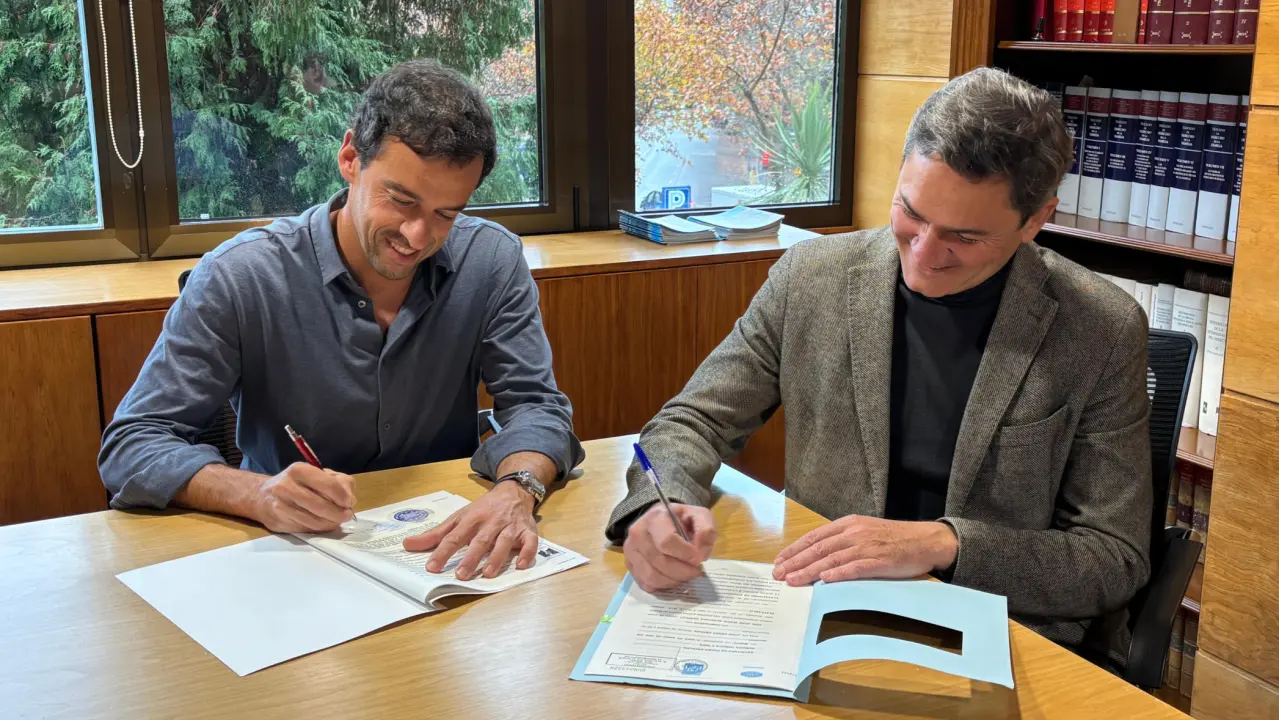
Goparity acquires Bolsa Social to strengthen impact investing across Iberia

Goparity has acquired Bolsa Social, the first impact crowdfunding platform authorised in Spain. Since 2014, Bolsa Social has built a community of 13,000+ people, financed 50+ Spanish impact businesses, and mobilised nearly €15M through lending and equity.

Today, we’re sharing news that marks an exciting new chapter for impact investing in Iberia.

Goparity has acquired Bolsa Social, the first impact crowdfunding platform authorised in Spain. Since 2014, Bolsa Social has built a community of 13,000+ people, financed 50+ Spanish impact businesses, and mobilised nearly €15M through lending and equity.

Together, we now bring a community of 72,000+ members across Iberia and beyond who are committed to investing with purpose.

This step feels natural. We are two companies from the same region, united by the same mission, with a relationship built over many years. By joining forces, we can scale what matters: giving people and organisations more ways to direct their money towards projects that create real, social and environmental value.

‍

Why we’re joining forces

We started Goparity so people and organisations could choose where their money goes, while improving access to funding for sustainable projects and helping build a fairer, more sustainable economy.

Bolsa Social was built on that same belief. Over the last decade, the team has helped prove something important in Spain: when impact projects have a trusted place to meet a committed community, meaningful capital moves.

This acquisition is a commitment to that idea at a larger scale. More community, more reach, more opportunities for impact organisations, and more ways for investors to build a portfolio aligned with their values.

‍

What this means for the Goparity community

  • More ways to invest in impact: A while ago, we asked our community what you wanted to see next on Goparity, and equity investing was one of the most requested features. With Bolsa Social joining us, we’re bringing the experience and track record needed to get closer to launching equity investments on Goparity alongside lending.
  • Stronger cross-border impact opportunities: With Bolsa Social’s roots in the Spanish ecosystem, we will be better positioned to create cross-border opportunities where Portuguese, Spanish, and other European investors can support impactful organisations side by side.
  • A bigger community to learn and grow with: A community of 72,000+ impact investors bring more diversity of perspectives, more momentum, and more collective ability to finance the projects Europe needs.

‍

What this means for the Bolsa Social community

  • Continuity, with a thoughtful integration: For now, Bolsa Social will continue to operate in Spain as “Bolsa Social by Goparity” while we integrate gradually and thoughtfully.
  • The team stays involved: The Bolsa Social team will stay with us to ensure continuity for investors and impact organisations. Marta Abbad-Jaime de Aragón will now be Head of Equity at Goparity, helping lead the next phase of equity investing as we bring new opportunities to the broader community.
  • More visibility and financing capacity for Spanish impact organisations: Bolsa Social is a trusted brand among Spanish investors and entrepreneurs. Together, we will bring greater visibility to Spanish impact projects and expand access to a larger and more diverse investor community over time.

‍

What happens next

In the coming months, we’ll work on integrating Bolsa Social’s projects, users, and features in a way that protects what already works and unlocks what’s next.  That includes:

  • Ensuring a smooth experience for Bolsa Social investors and impact organisations during the transition.
  • Bringing teams together while maintaining the local strength Bolsa Social has built in Spain.
  • Developing the next steps of product integration, including expanding investment options over time.

We will keep you informed as new developments go live.

‍

Thank you

To everyone who has backed impact projects through Goparity or Bolsa Social, thank you. This is only possible because thousands of people across Iberia decided that their money should do more than sit still.

We’re proud of what each community has built so far. Now, together, we’re ready to scale that vision in Spain, across Iberia, and across Europe.

🌍 Thank you for being part of this growing movement.

Our impact

See how your investments help build a more sustainable and inclusive economy.

How to invest

Learn how to start investing in sustainable projects.