SolarWood Hospital
Share this

https://goparity.com/projects/solarwood-hospital-72

SolarWood Hospital

Electricity and hot water for a Hospital in Eswatini.
Investment overview
Impact category
Sustainable energy
Investment type
Loan
Yearly interest
6.15
%
Term
96
months
Risk level
The Risk Rating is the result of our credit risk assessment, which looks at the promoter’s financial strength and the project’s viability. It’s shown from A+ (lowest risk) to D (highest risk) and helps you compare projects and make informed decisions.
A
D
B

Invest now

Join 0 investors making an impact
Share article

https://goparity.com/projects/solarwood-hospital-72

Description
Impact
Financial viability
Promoter

What will you be financing?

This campaign will be used to co-finance the energy independence and stability of the Good Shepherd Mission Hospital in Eswatini (previously named Swaziland), via the installation of a renewable energy solution which uses biomass and energy from the sun (“SolarWood”). The global financing of this pioneering project is 950.000€. Multiply Energy, the promoter of this campaign, will invest 300.000€ in the project, of which 100.000€ will be raised via this campaign, and the rest will come from the Nordic Development Fund, an international cooperation fund established by the 5 nordic countries in Europe (Denmark, Finland, Iceland, Norway, and Sweden) and by a company that is present in the local market - Wundersight Investments PTY.

The difficulty supplying stable and cost-efficient energy to remote locations led Innovakeme, a Portuguese company headquartered in Funchal, Madeira, to develop the solution SolarWood - a modular, scalable and replicable solution which integrates the production of energy from biomass and the sun, whilst ensuring a stable supply of electricity and heat to remote locations, without compromising on the economic viability in the regions where it is installed. The solution consists of the integration of 4 containers, made according to the European Union’s high-quality standards and with the following functions:

  1. Chip wood manufacturing and drying;
  2. Combined heat and power biomass plants;
  3. Energy production from solar panels;
  4. Storage and energy management system.

After being manufactured, these units are sent by boat to Lubombo, the region where the hospital is located, and they will be installed. The promoter of the project is in charge of training a local technical team that will be responsible for operating the system and guaranteeing the supervision and monitoring of the solution. This combination of biomass and solar energy, batteries, and the quick and simple installation make this solution perfect for remote communities. The average time for the whole operation is around 4-6 months, from the moment the order is made to the beginning of the energy production.

The SolarWood solution received financial support from Programa Madeira 14-20, a regional program from Portugal 2020, an agreement adopted between Portugal and the European Commission that gathers five European Structural Funds and Funds for Investment.

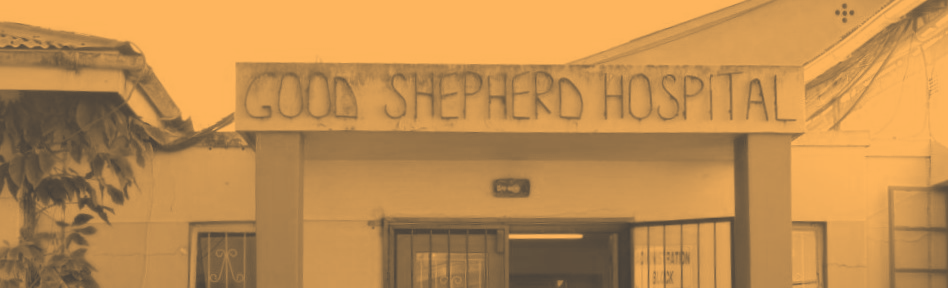
The Good Shepherd Mission Hospital, located in the city of Siteki, in the region of Lubombo, in Eswatini, was founded in 1949 by the Catholic Church. In 2009, it became a parastatal organisation – even though the land and the building belong to the Catholic Church, who manages it. The hospital has a capacity for 225 beds with an occupation rate that reaches 130%. The institution is responsible for the health services in the whole Lubombo region, which represents one quarter the size of Eswatini and where around 212.000 people live, predominantly in rural areas. As well as this, the hospital is responsible for the supervision of 20 rural clinics in the region and it has a nursing school.

Financial Viability

The global financing (€ 950.000) will be divided in the following way: € 500.000 in an outright grant from the Nordic Development Fund; 300.000€ will be invested by Multiply Energy (€ 200.000 in equity and the remaining € 100.000 via a loan from GoParity), and € 150.000 will be invested by Wundersight PTY (a partner firm with various projects in the country).

A Special Purpose Vehicle (SPV) owned by Multiply Energy (66,66%) and by Wundersight Investments PTY (33,33%) was created especially for this project. This vehicle will have a contract with the hospital and bill the electricity and heating produced as well as the rent for the land where the solution will be located. The return of the project will be managed and then distributed by the SPV to its investors.

During the first year, the energy production will allow the Hospital to save around 10% of its energy costs relative to the value that they currently pay. This value will increase by 3% a year (due to inflation) but it will remain lower than the costs that the Hospital would be spending on maintaining the current supply, as inflation in the country is around 8%.

The funds raised thanks to this campaign will be released in the following way:

  • 50% when the capital increase by the promoter of the project (Multiply Energy Lda) is confirmed;

  • 40% as soon as the first step of the contract with the Nordic Development Fund is reached (proof that the financing structure of the project if fully assured);

  • 10% when the first two containers are produced.

The Hospital depends on an annual grant from the Ministry of Health to provide the aforementioned services for all people in the Lubombo region, the poorest region in the country, at an affordable price.

Besides the impact this project has on the sustainable level and ensuring a stable electricity supply, it is also designed in order to ensure its economic viability.

What is the impact?

The supply of electricity and heating to the Good Shepherd Mission Hospital in Eswatini using renewable energy sources will have a very positive impact on the environment and the country’s population.

Environmental Impact

Currently, the hospital has an annual electricity consumption of 800 MWh and uses 300 tonnes of coal to heat water. The electricity comes from the national grid and is mainly produced in coal plants (76%). As there are frequent problems with the supply from the grid, they often have to resort to emergency generators (diesel-powered). The switch to Solarwood technology will, thus, have the following environmental impacts:

  1. Substitution of coal for certified biomass for heating water - avoiding the consumption of 300 tonnes of coal a year;
  2. Electricity production from solar energy and certified biomass - fully autonomous from the grid, and the diesel generators will only be used in emergency situations;
  3. Stability of the hospital’s energy supply - the current instability from the country’s electricity grid can jeopardize the quality of the health care services provided.

In this context, the switch to Solarwood technology will reduce the Hospital's emission of greenhouse gases by 70%, avoiding the emission of 1350,3 tonnes of CO2 a year (the equivalent to planting 61.377 trees).

Furthermore, the difficulties in accessing energy in developing countries is one of the biggest challenges in the fight against climate change as the majority of these countries depend on an unreliable and unsustainable energy grid, in many cases produced from fossil fuels. As well as the sustainability of the energy, it is important to provide energy at a competitive price to consumers. Innovate solutions such as Solarwood play an important role in leading the way for these developing countries to decarbonize without compromising the economic and financial viability.

Social Impact

Lubombo is the poorest region in Eswatini. The Good Shepherd Mission Hospital is the institution responsible for the health services in the whole region, where around 212.000 people live, predominantly in rural areas. As well as the services provided by the hospital, it is also responsible for the supervision of 20 rural clinics and a nursing school. This project will also have the following social impact:

  1. Improvement in the quality of the healthcare services provided -  as well as reducing electricity costs, 15% of the profits obtained by the SPV created to invest in this project will be redirected to the hospital. This amount will allow the institution to improve the quality of the services provided as well as expanding its services to more people and communities. Currently, the hospital depends on an annual grant from the Ministry of Health to provide the aforementioned services to all people in the region of Lubombo, the poorest in the country, at an affordable price;
  2. Promoting gender equality -  the operation will employ 10 women in the local area and the local manager of the project is also a woman. They are also trying to develop a local wood cooperative to supply the biomass.

Impact indicators

CO2 avoided per year
clean energy
created by our projects
of sustainable
impacted

Contribution to the Sustainable Development Goals

About the Promoter

About
Multiply Energy LDA

The supply of electricity and heating to the Good Shepherd Mission Hospital in Eswatini using renewable energy sources will have a very positive impact on the environment and the country’s population.

Environmental Impact

Currently, the hospital has an annual electricity consumption of 800 MWh and uses 300 tonnes of coal to heat water. The electricity comes from the national grid and is mainly produced in coal plants (76%). As there are frequent problems with the supply from the grid, they often have to resort to emergency generators (diesel-powered). The switch to Solarwood technology will, thus, have the following environmental impacts:

  1. Substitution of coal for certified biomass for heating water - avoiding the consumption of 300 tonnes of coal a year;
  2. Electricity production from solar energy and certified biomass - fully autonomous from the grid, and the diesel generators will only be used in emergency situations;
  3. Stability of the hospital’s energy supply - the current instability from the country’s electricity grid can jeopardize the quality of the health care services provided.

In this context, the switch to Solarwood technology will reduce the Hospital's emission of greenhouse gases by 70%, avoiding the emission of 1350,3 tonnes of CO2 a year (the equivalent to planting 61.377 trees).

Furthermore, the difficulties in accessing energy in developing countries is one of the biggest challenges in the fight against climate change as the majority of these countries depend on an unreliable and unsustainable energy grid, in many cases produced from fossil fuels. As well as the sustainability of the energy, it is important to provide energy at a competitive price to consumers. Innovate solutions such as Solarwood play an important role in leading the way for these developing countries to decarbonize without compromising the economic and financial viability.

Social Impact

Lubombo is the poorest region in Eswatini. The Good Shepherd Mission Hospital is the institution responsible for the health services in the whole region, where around 212.000 people live, predominantly in rural areas. As well as the services provided by the hospital, it is also responsible for the supervision of 20 rural clinics and a nursing school. This project will also have the following social impact:

  1. Improvement in the quality of the healthcare services provided -  as well as reducing electricity costs, 15% of the profits obtained by the SPV created to invest in this project will be redirected to the hospital. This amount will allow the institution to improve the quality of the services provided as well as expanding its services to more people and communities. Currently, the hospital depends on an annual grant from the Ministry of Health to provide the aforementioned services to all people in the region of Lubombo, the poorest in the country, at an affordable price;
  2. Promoting gender equality -  the operation will employ 10 women in the local area and the local manager of the project is also a woman. They are also trying to develop a local wood cooperative to supply the biomass.

Promoter website

Business Model

Lorem ipsum dolor sit amet, consectetur adipiscing elit. Suspendisse varius enim in eros elementum tristique. Duis cursus, mi quis viverra ornare, eros dolor interdum nulla, ut commodo diam libero vitae erat. Aenean faucibus nibh et justo cursus id rutrum lorem imperdiet. Nunc ut sem vitae risus tristique posuere.

Sign up to access the full details

Open account
Already have an account? Sign in
Campaign progress

0%

New opportunity. Be among the first to invest.
of target

10000000

Minimum

10000000

Target

10000000

Maximum

Closed

Auto-invest

Turn investments into a diversified strategy

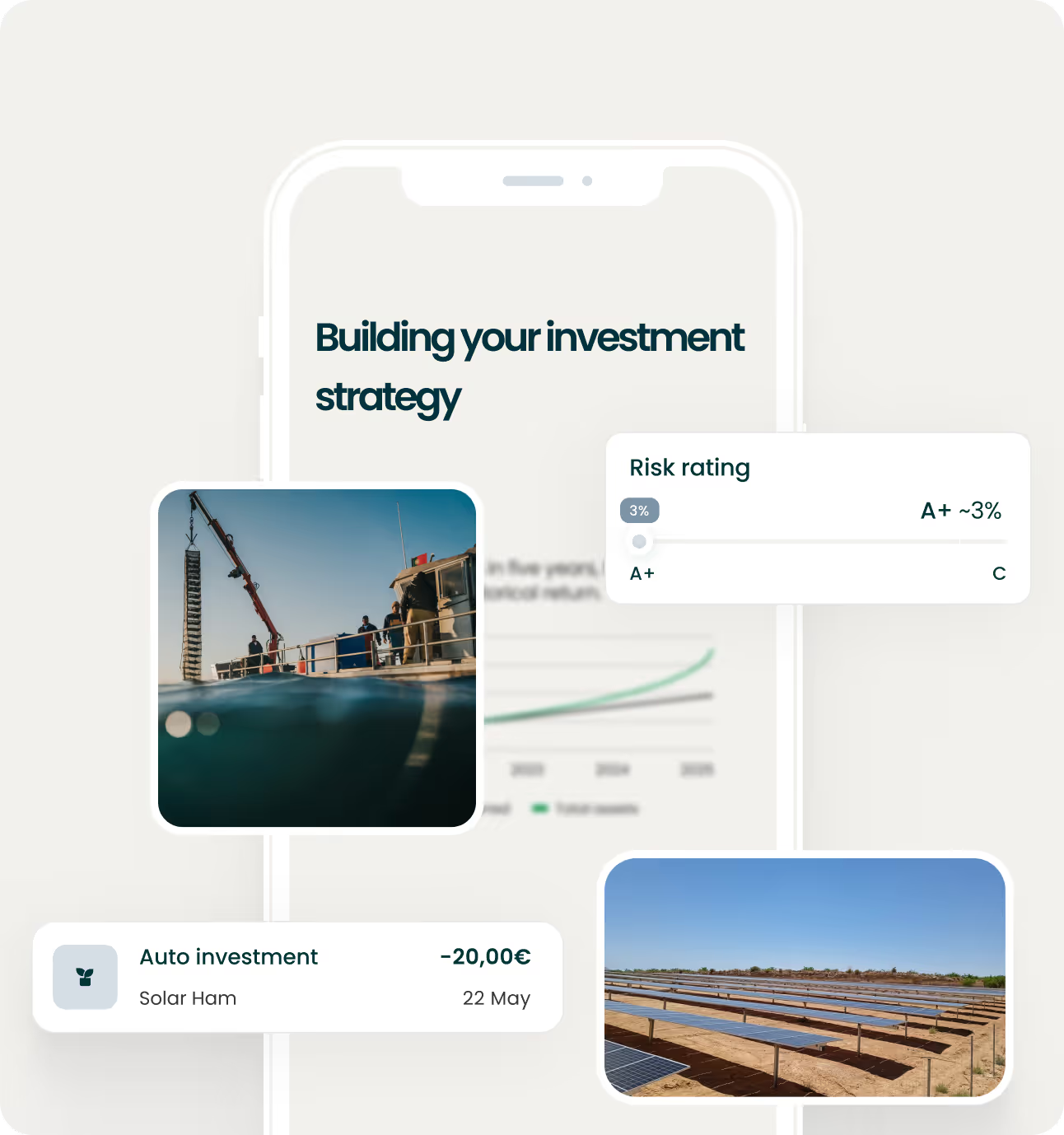
Set your criteria once, and auto-invest will handle the rest. It matches your balance to new loan opportunities as they open, spreads it across projects automatically, and reinvests repayments as they come in. A consistent, diversified approach, without the manual effort.

Investment strategy app screen with risk rating, auto investment info, and photos of solar panels and a boat crane.

Need financing?

Raise capital from a community of impact-focused investors.

7.72% Portfolio IRR with stack icon, 60,000 Goparity users with user icon, large G logo on yellow background.

Download the app

Track projects, manage investments, and follow your returns.