Lisbon Vertical Farming
Share this

https://goparity.com/projects/lisbon-vertical-farming-96

Lisbon Vertical Farming

Rotating vertical farming system in Lisbon.
Investment overview
Impact category
Agrifood Systems
Investment type
Loan
Yearly interest
5.1
%
Term
24
months
Risk level
The Risk Rating is the result of our credit risk assessment, which looks at the promoter’s financial strength and the project’s viability. It’s shown from A+ (lowest risk) to D (highest risk) and helps you compare projects and make informed decisions.
A
D
B

View more

Share article

https://goparity.com/projects/lisbon-vertical-farming-96

Description
Impact
Financial viability
Promoter

What will you be financing?

The goal of Reculture is to bring rotating vertical farms to Europe, enabling cities to grow food sustainably and profitably. The system, which has been developed in Singapore, consists of a rotating tower that allows for all the crops to get equal access to light, meaning they can be outside, with no expensive lighting or climate control required and all the work can be performed on the ground.

It’s an elegantly simple solution to the challenges of urban food production and consumption.
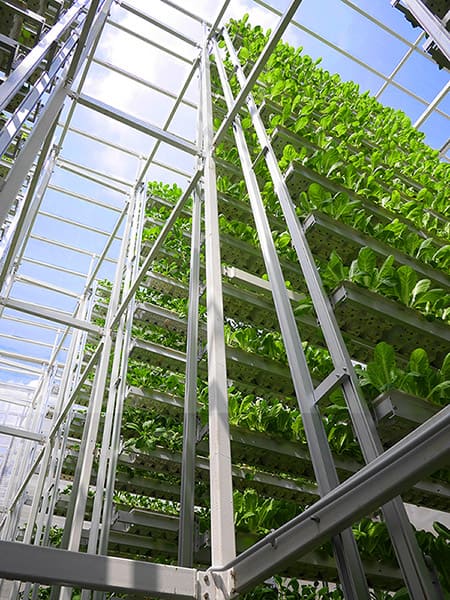
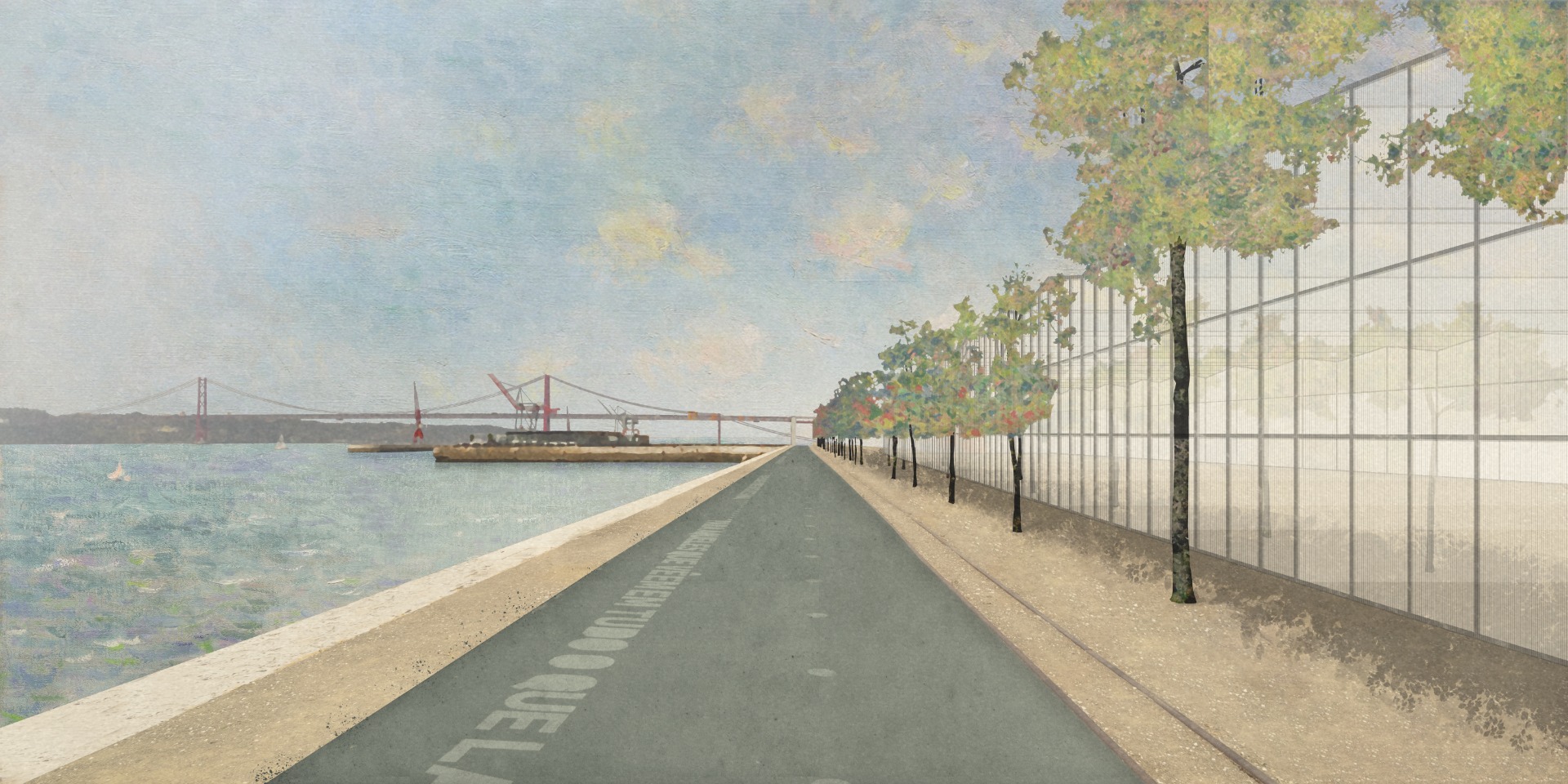
The money raised through this campaign will be used as launchpad cash to cover the costs of the first rotating farm arriving in Europe, in about a month. The tower will be installed at the Museum of Lisbon, in the garden of the Palácio Pimenta, for a year long exhibition about the future of food and farming in Lisbon, as part of Lisboa Green Capital 2020. This will be used as a showcase to demonstrate the towers in action, and their potential to transform an urban food system.

The exhibition will show models and renders of 8 actual Lisbon locations where rotating farms could be installed, each in their own Food Temple (the name for the bespoke, integrated greenhouse with an education zone, food preparation and dining area.) The goal is not only to imagine, but to demonstrate the potential that is within the grasp, to make the city more sustainable, healthy and resilient.


The 6-meter towers will grow about 100kg of leafy greens every month in just 8 sqm of land.

The money raised will cover the material costs of the tower itself, as well as its shipping and installation; the running costs of the farmer; the compost and baby plants that will be grown to maturity for local distribution and sales; and digital marketing costs.

What is the impact?

Reculture’s vision is of a world in which everyone can grow their own food in the most efficient and sustainable way possible.

Environmental impacts:

  • Reduction on the dependence on synthetic fertilizers, pesticides and toxic herbicides;
  • Promotion of local production and consumption, by creating a cooperative system that avoids the dependence on large retailers;
  • Reduction of CO2 emissions, when compared with the traditional vertical systems, that require artificial lighting (50% less energy inputs required, such as climate control, air conditioning, humidifiers...). Additionally, it avoids the emission from the transportation of goods, typical of conventional agriculture;
  • Water reduction consumption: 10 times higher yields per square metre (with €1.250/sqm/year, assuming €10/kg,), using 90% less water when compared to conventional agriculture;
  • Reduced vulnerability to climate change, when compared to organic and other eco-friendly farming techniques, that cannot be scaled up quickly to meet global demand;
  • Reduced land exploitation and pressure.

Social impacts:

  • Food education, through events and workshops that connect the community, customers and beneficiaries;
  • Improved quality, variety and nutritional value of the food provided, in a country where 1/3 of the children are overweight, 1/10 of the households suffer food insecurity, and ½ fail to eat the recommended daily amount of fresh fruit and vegetables;
  • Innovative production: globally, over 1 billion tons of food is wasted every year, wasting almost ⅓ of all Earth's farmlands, creating 3 billion tons of greenhouse gases, and costing $750 billion per year. By creating centers of sustainable micro production in the heart of our cities, this solution leads to food sovereignty for all.

Impact indicators

CO2 avoided per year
clean energy
created by our projects
of sustainable
impacted

Contribution to the Sustainable Development Goals

About the Promoter

About
ABUNDANTQUOTIDIAN - ASSOCIAÇÃO

Reculture’s vision is of a world in which everyone can grow their own food in the most efficient and sustainable way possible.

Environmental impacts:

  • Reduction on the dependence on synthetic fertilizers, pesticides and toxic herbicides;
  • Promotion of local production and consumption, by creating a cooperative system that avoids the dependence on large retailers;
  • Reduction of CO2 emissions, when compared with the traditional vertical systems, that require artificial lighting (50% less energy inputs required, such as climate control, air conditioning, humidifiers...). Additionally, it avoids the emission from the transportation of goods, typical of conventional agriculture;
  • Water reduction consumption: 10 times higher yields per square metre (with €1.250/sqm/year, assuming €10/kg,), using 90% less water when compared to conventional agriculture;
  • Reduced vulnerability to climate change, when compared to organic and other eco-friendly farming techniques, that cannot be scaled up quickly to meet global demand;
  • Reduced land exploitation and pressure.

Social impacts:

  • Food education, through events and workshops that connect the community, customers and beneficiaries;
  • Improved quality, variety and nutritional value of the food provided, in a country where 1/3 of the children are overweight, 1/10 of the households suffer food insecurity, and ½ fail to eat the recommended daily amount of fresh fruit and vegetables;
  • Innovative production: globally, over 1 billion tons of food is wasted every year, wasting almost ⅓ of all Earth's farmlands, creating 3 billion tons of greenhouse gases, and costing $750 billion per year. By creating centers of sustainable micro production in the heart of our cities, this solution leads to food sovereignty for all.

Promoter website

Business Model

Lorem ipsum dolor sit amet, consectetur adipiscing elit. Suspendisse varius enim in eros elementum tristique. Duis cursus, mi quis viverra ornare, eros dolor interdum nulla, ut commodo diam libero vitae erat. Aenean faucibus nibh et justo cursus id rutrum lorem imperdiet. Nunc ut sem vitae risus tristique posuere.

Sign up to access the full details

Open account
Already have an account? Sign in
Campaign progress

0%

New opportunity. Be among the first to invest.
of target

3000000

Minimum

3000000

Target

3000000

Maximum

Closed

Auto-invest

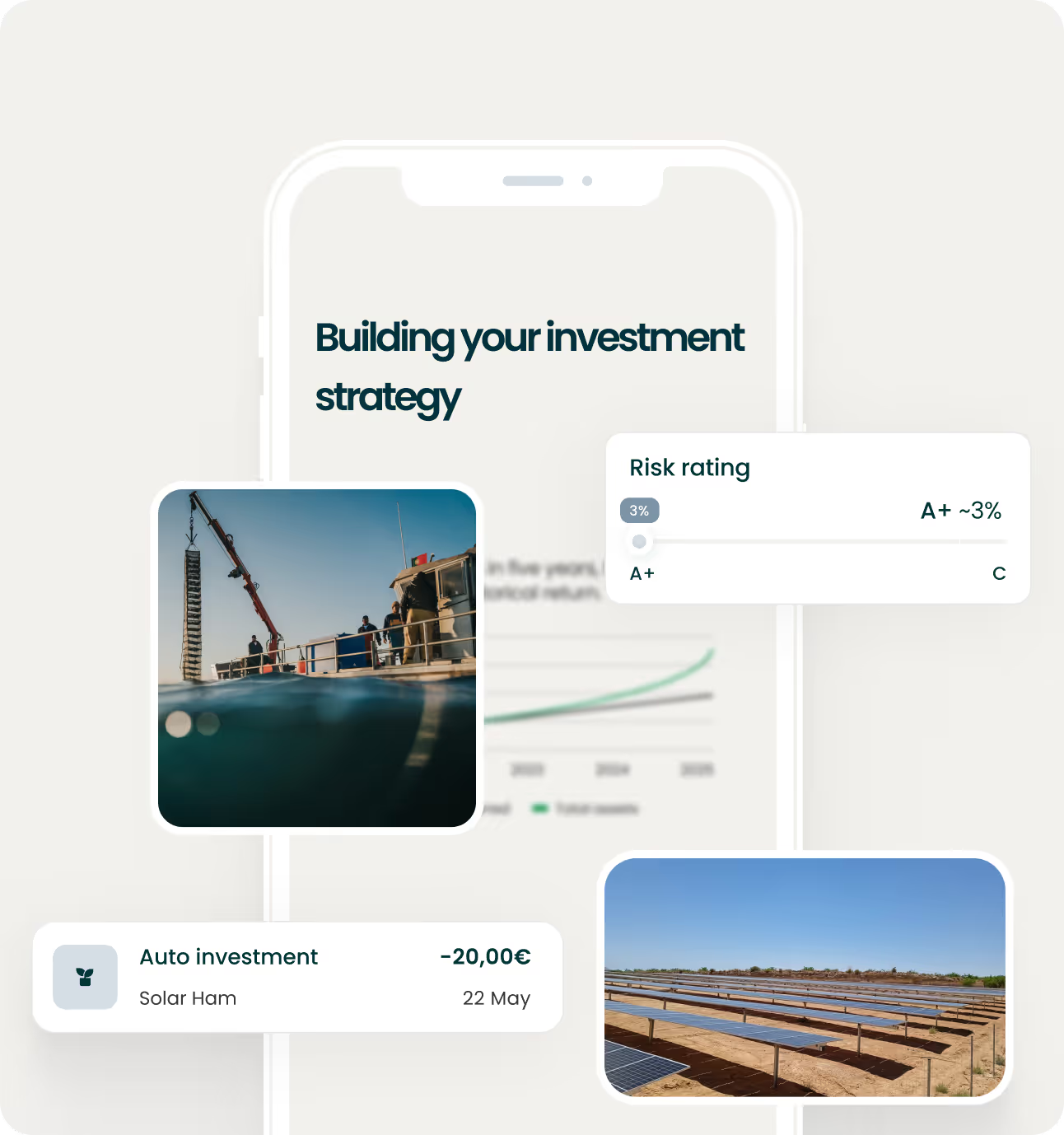
Turn investments into a diversified strategy

Set your criteria once, and auto-invest will handle the rest. It matches your balance to new loan opportunities as they open, spreads it across projects automatically, and reinvests repayments as they come in. A consistent, diversified approach, without the manual effort.

Investment strategy app screen with risk rating, auto investment info, and photos of solar panels and a boat crane.

Need financing?

Raise capital from a community of impact-focused investors.

7.72% Portfolio IRR with stack icon, 60,000 Goparity users with user icon, large G logo on yellow background.

Download the app

Track projects, manage investments, and follow your returns.