blue_economy svg
Confirmed Amount = 149.684,23 €
Reserved Amount = 17.213,42 €

166.897,65 €

33% Funded
500.000 €

39 days left to close

SeaForester

Location Pin Svg
Peniche, PT

instalment

biannual

term

1 year

yearly interest

9.35%

risk rating

C

Restoring Portugal’s native seaweed forests

Description

SeaForester is a Portuguese environmental impact company dedicated to restoring disappearing underwater seaweed forests along Portugal's coast. After several years of research and pilot projects, the company is now scaling up its restoration work using a low‑cost, nature‑based method: growing seaweed on small stones in nurseries and then placing them back into degraded coastal areas to help underwater forests recover.
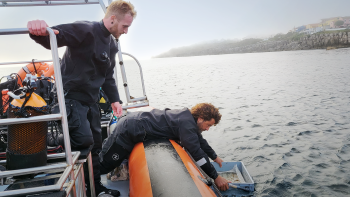
This campaign’s goal is to advance funds that SeaForester will receive from the second payment of a grant awarded by a large marine philanthropic provider to accelerate the replanting of native seaweed forests. This campaign’s goal is to advance the second payment of that grant so the company can continue scaling its restoration work without interruption. The advanced funds will allow SeaForester to cover project costs upfront while waiting for the scheduled grant disbursement. The funds will be used for the following activities:

  • Producing and deploying seeded materials across 10 hectares of coastal areas
  • Running trials to reduce the time needed to grow and prepare new seaweed plants
  • Testing ways to improve how well the seaweed attaches to stones and other natural surfaces
  • Carrying out trials using fixed substrates and direct seeding methods
  • Integrating drone, sonar, and satellite monitoring partners into a single data platform to improve tracking of restored areas

The project also helps strengthen SeaForester’s long‑term restoration capacity. This includes maintaining specialised nursery operations, supporting scientific and technical staff, and continuing to refine restoration techniques so they can be applied effectively at larger scales.

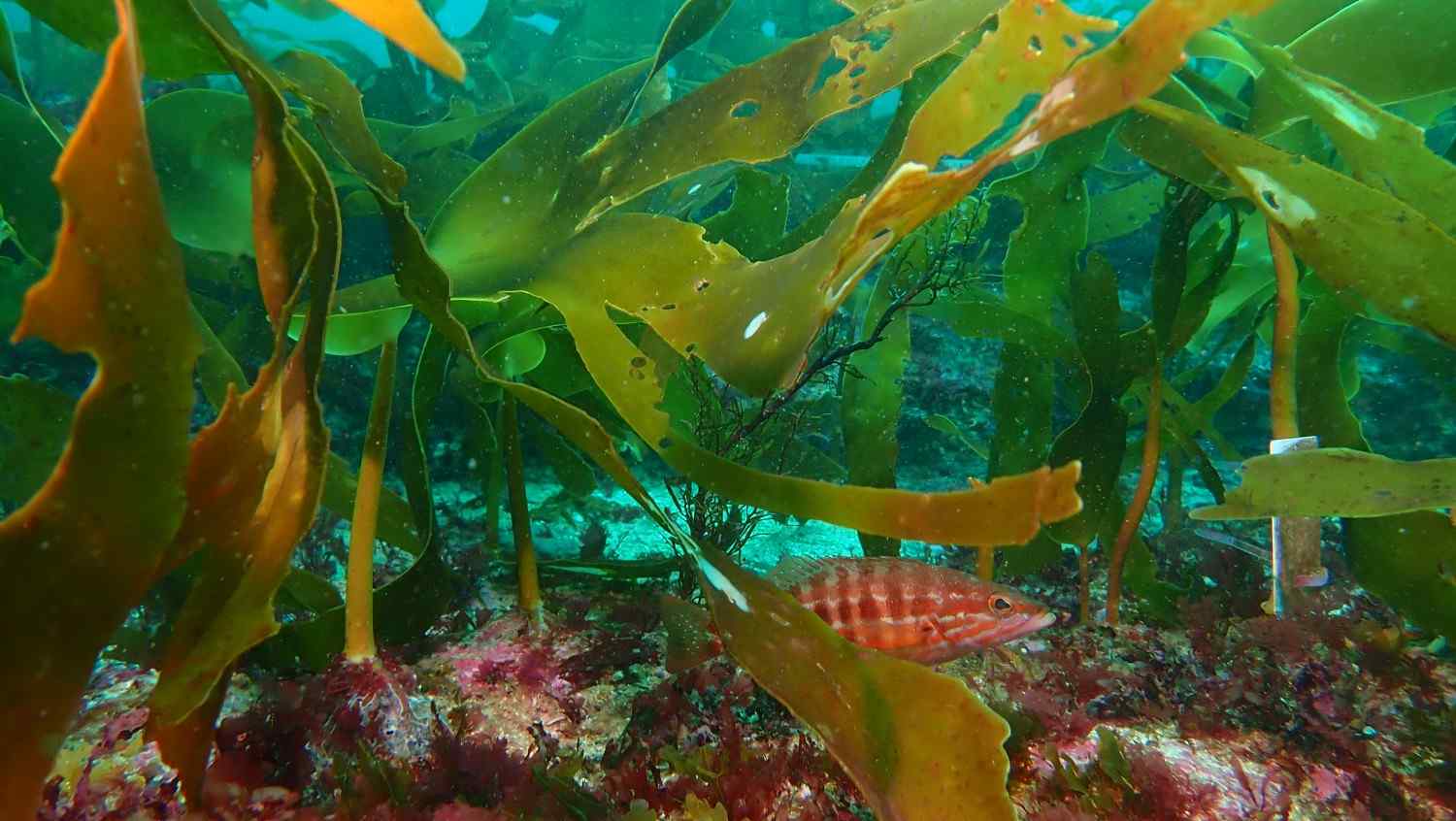
Underwater seaweed forests - often described as the “rainforests of the ocean” - are essential for healthy marine ecosystems. They provide shelter and food for fish, octopus, crabs, and many other species, support local fisheries, and help stabilise coastal environments. These forests also absorb carbon dioxide and release oxygen, contributing to climate regulation. However, they are rapidly disappearing worldwide due to warming waters, pollution, overfishing, and habitat loss. Restoring them is crucial to protect marine life and strengthen the resilience of coastal ecosystems.

In addition to restoring biodiversity, the project enhances carbon sequestration, improves nutrient balance and helps rebuild coastal fish stocks, all of which strengthen the overall health and resilience of marine ecosystems.
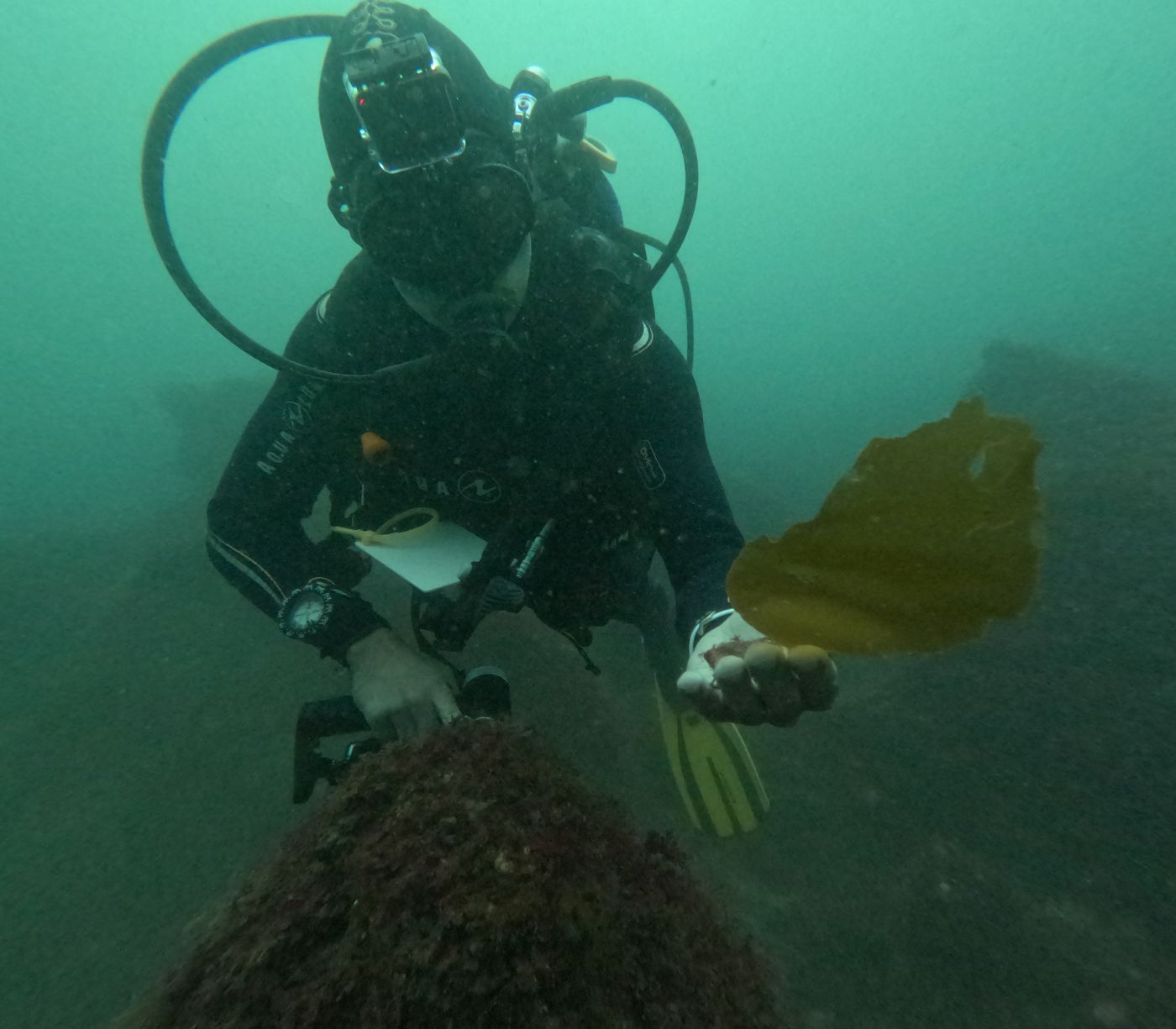
SeaForester’s restoration work is carried out in collaboration with research institutions, municipalities, and international partners. Through this project, SeaForester aims to accelerate the recovery of native seaweed forests and demonstrate scalable solutions for restoring degraded marine ecosystems.

The Impact

Direct

Restoration of marine ecosystems and ocean health: This loan will enable Seaforester to expand the area under restoration by scaling up production and deployment of seeded materials of seven more hectares for future kelp forests, reaching ten hectares under operation. The promoter will track ecological outcomes supported by new investments in cost saving direct seeding methods and pilot projects with remote monitoring partners. Once restored, the kelp ecosystems can continue to grow, spread, and regenerate for more than 20 years, creating enduring environmental and economic impact for coastal communities, beyond ecosystems benefits. 

Partnerships for research and development (R&D): Seaforester has joined forces with Instituto Politécnico de Leiria, MARE IPLeiria, Institute of Marine Research, Seaweed Solutions, The University of Western Australia and Alfred Wegener Institute towards a common goal: to combine their unique strengths and expertise to optimize scalable seed production techniques, pioneer innovative seeding approaches, and to develop tools that enable large scale marine restoration, fostering R&D.

Awareness for oceans sustainability and local engagement: coastal communities have a key role in the dissemination of information about ocean health and biodiversity. SeaForester’s relationship with the Municipality of Cascais has enabled high visibility through educational beach boards, making knowledge about underwater ecosystems accessible to residents and visitors, raising awareness about the role of kelp forests. A collaboration with local diving schools expands this impact by building technical capacity within the recreational diving community, transforming divers into active contributors to monitoring activities, habitat mapping and building local capacity for marine conservation. At the same time, the connection to fishing communities strengthens the project’s foundation by integrating traditional knowledge and ensuring that restoration efforts align with local maritime realities, supporting on logistics and sharing intimate knowledge of local reef system.

Indirect

Contribution to the restoration of fish stock: Seaforester is advancing on seaforestation approaches that contribute to one ton of fish available for harvest per hectare of kelp forests. This way, the promoter contributes to improve significantly to the restorarion of fish stocks, and to local fisheries. Committed to enhancing the accuracy and reliability of impact, the company is improving its monitoring data and methodology while continuing scientific research. 

Contribution to strengthening ecosystems that fight climate change: According to research, kelp forests remove on average an estimated 146 kilograms of phosphorus and nitrogen per hectare each year that can significantly improve coastal water quality. Additionally, recent empirical measurements indicate that Portuguese kelp forests can sequester a conservative average of 2.809 tons of carbon sequestered per year per hectare once restored forests are fully established.

Impact Indicators

Metrics Svg

7

Hectares for biodiversity

Sustainable Development Goals

13 image
14 image
17 image

Financial viability

SeaForester has secured a multi‑year grant of up to 1,5M€ to support the expansion of its seaweed‑forest restoration work. The next payment of this grant, scheduled for January 2027, amounts to 500.000€.

While the project still carries execution risks due to the early‑stage nature of large‑scale marine restoration, the confirmed grant schedule and the company’s existing partnerships reinforce its ability to carry out the planned activities and meet its repayment obligations.

Capital at risk - investing involves the risk of losing part or all of the money you invest.  Although Goparity implements risk-mitigation measures, to further reduce the risk of capital loss, please remember to diversify your portfolio to limit your exposure to specific projects. Learn more about risk mitigation here >

PDF Logo Svg

Download the Financial Statements for the promoter here

PDF Logo Svg

Download Key Investment Information Sheet

The Promoter

About Seaforester Lda

SeaForester is a Portuguese environmental impact company dedicated to restoring disappearing seaweed forests along the coast. Although the company was officially founded in 2022, its roots go back much further. The story begins on the Norwegian island of Frøya, where founder Pål Andreas Bakken grew up harvesting wild seaweed for his father’s factory. That early connection to the ocean shaped a lifelong passion for seaweed and its potential to support both nature and coastal communities.

Over the years, Pål built several seaweed‑focused ventures, from pioneering seafood operations in Japan to developing innovative cultivation technologies in Norway. His work eventually expanded into large‑scale seaweed farming and the creation of companies dedicated to advancing seaweed cultivation, research, and technology.

As global seaweed forests began to decline, Pål shifted his focus from farming to restoration. This led to the launch of the SeaForester initiative in Portugal, where the team began developing low‑cost, scalable methods to help underwater forests recover. SeaForester LDA was later established to concentrate all restoration activities and bring these solutions to coastal areas in need.

Today, SeaForester’s main approach is the “green gravel” method: sowing small stones with seaweed spores, growing them in nurseries, and deploying them in authorised coastal areas. The company operates active restoration sites in Cascais and Peniche and holds the largest marine restoration licence in Europe, covering 12 locations along the Portuguese coast. Its nursery operations are run in partnership with IPLeiria and MARE‑IPL, where SeaForester conducts production, research, and ongoing refinement of its restoration techniques.

With deep roots in seaweed science, decades of practical experience, and strong partnerships with research institutions and coastal communities, SeaForester is working to bring back the underwater forests that support marine life, protect coastlines, and strengthen the resilience of marine ecosystems.

The team

Pål Bakken

linkedin
CEO

He is an entrepeneur in the aquaculture business and has been involved in various marine renewable energy projects in Europe. For seven years he was Founder and President of a seafood company in Japan and for five years he was President of Stolt Sea Farm Asia Pacific in Singapore. In terms of academic background, he holds a BSc in Finance & Marketing from the University of Oregon.

Ari Greenberg

linkedin
COO

He is an entrepeneur having started and sold two technological companies in the hospitality space, most recently BCV in 2019. Since then, he has held executive roles in other climate tech companies including Development Seed and Brighline Trains. He holds a BA in International Relations and Physics from Pomona College and an MBA from the University of Virginia.

Inês Louro

linkedin
Scientific Coordinator

After completing a MSc in Biology at the University of Aveiro, she gained experience in ecotoxicology and fish ecology, studying pelagic fish populations and the impact of catch rejections from an artisanal fishery in the coastal area of Coimbra. She joined SeaForester in 2018, acquiring hands on experience in seaweed ecology and restoration techniques. At SeaForester, she leads the coordination of public research funds and supports project development and implementation, communication and fundraising.

Jan Verbeek

linkedin
Scientific Manager

After several years of studying and working with marine habitat protection in the UK, he went on to obtain his MSc in Marine Biodiversity and Conservation. Since 2019, he has been working full-time at SeaForester, leading project development and implementation as well as supporting research, communication and fundraising activities.

Michael Fleischman

linkedin
Nursery Manager

With an MSc in Biological Sciences from the University of Cape Town and experience spanning algal R&D, biosecurity, hatchery management and ocean monitoring, he brings strong technical skills, field experience and over 15 years of diving practice to SeaForester’s mission of restoring coastal ecosystems.

Business Model

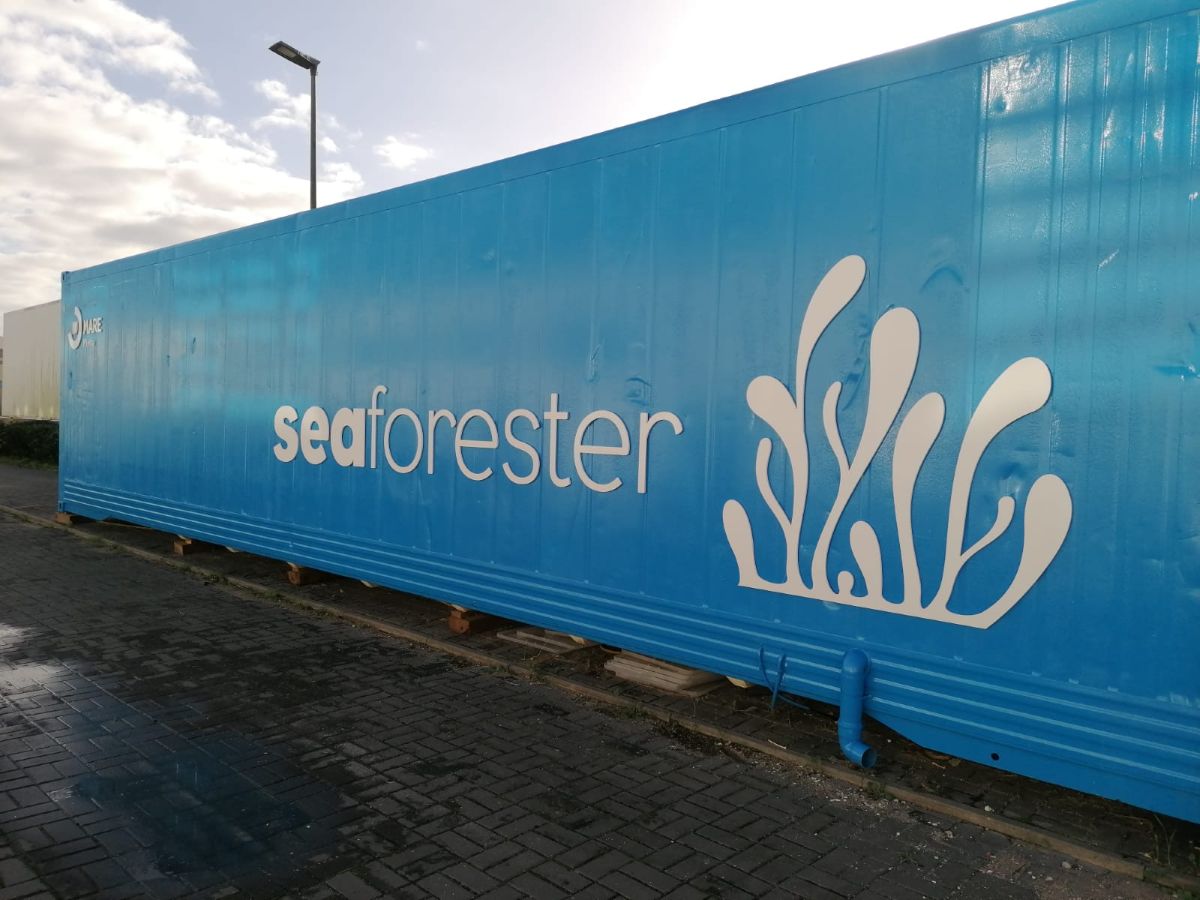
The company’s main restoration method is the “green gravel” approach, which involves sowing small stones with seaweed spores, growing them in controlled laboratory conditions, and cultivating them in land‑based nurseries until they are ready for deployment in authorised coastal areas. This method allows restoration work to be carried out efficiently, without divers or specialised offshore equipment.

Their operations are supported by partnerships with research institutions, most notably IPLeiria and MARE‑IPL, where the company runs a dedicated seaweed nursery. Under this collaboration, SeaForester pays service fees that cover laboratory space, nutrients, water, power, R&D support, and production facilities. The company also works with multiple external partners on field and laboratory experiments to refine and validate its restoration techniques.

SeaForester sells restoration benefits to corporate partners including On and Nestlé, as well as to conservation platforms and coastal municipalities. This commercial activity is an established part of the company’s business model and supports the implementation of its restoration projects.

With the largest marine restoration licence in Europe (covering 12 locations along the Portuguese mainland) SeaForester is able to operate multiple restoration sites simultaneously. Its activities currently focus on restoring the native kelp Laminaria ochroleuca in the central and southern regions of Portugal.

SeaForester’s model combines scientific research, field implementation, and long‑term coastal management partnerships, enabling the company to advance practical, scalable solutions for restoring underwater seaweed forests.

Active since

2022

Fiscal country

PT

Operating In

Portugal

Industry

Greentech

Women Shareholders

No

Updates

2026-03-27

Open for investment

This campaign is open for investment

Sign up to our newsletter and stay up-to-date on our investment opportunities