
5
min read
What's Left When the Fire Moves On
Last week, a fast-moving wildfire tore through Ontario’s Namaygoosisagagun First Nation, also known as Collins First Nation, an Indigenous community in northwestern Ontario, Canada, north of Thunder Bay.
Last week, a fast-moving wildfire tore through Ontario’s Namaygoosisagagun First Nation, also known as Collins First Nation, an Indigenous community in northwestern Ontario, Canada, north of Thunder Bay. Homes and buildings were destroyed. Evacuees are now sleeping in their cars in Thunder Bay, because there are no vacant hotel rooms left for them. Armstrong, Whitesand First Nation, Gull Bay First Nation, Lac des Mille Lacs First Nation and Lac La Croix First Nation have all been ordered out too, most of them relocated south along the same overwhelmed corridor.
It's worth sitting with what that actually means. Not a hectare count. A home.
We've seen what comes after. In July 2024, wildfire tore through Jasper, a national-park town in Alberta, destroying 358 of the townsite's 1,113 structures in a matter of hours. Two years on, the rebuild is still grinding forward. As of this spring, only 16 homes and buildings had been fully recovered, with another 75 under construction, out of more than 370 destroyed properties. Families spent that time in apartments, campsites and rentals, watching their neighbourhood slowly become, as one resident put it, “someone else's neighbourhood instead”.
That's the part that doesn't make it into the hectare counts and fire-danger maps: losing a home isn't a single bad night. It's a multi-year process of paperwork, insurance calls, and waiting, often in a town that no longer has the housing stock to hold everyone while they wait.
A different way to build
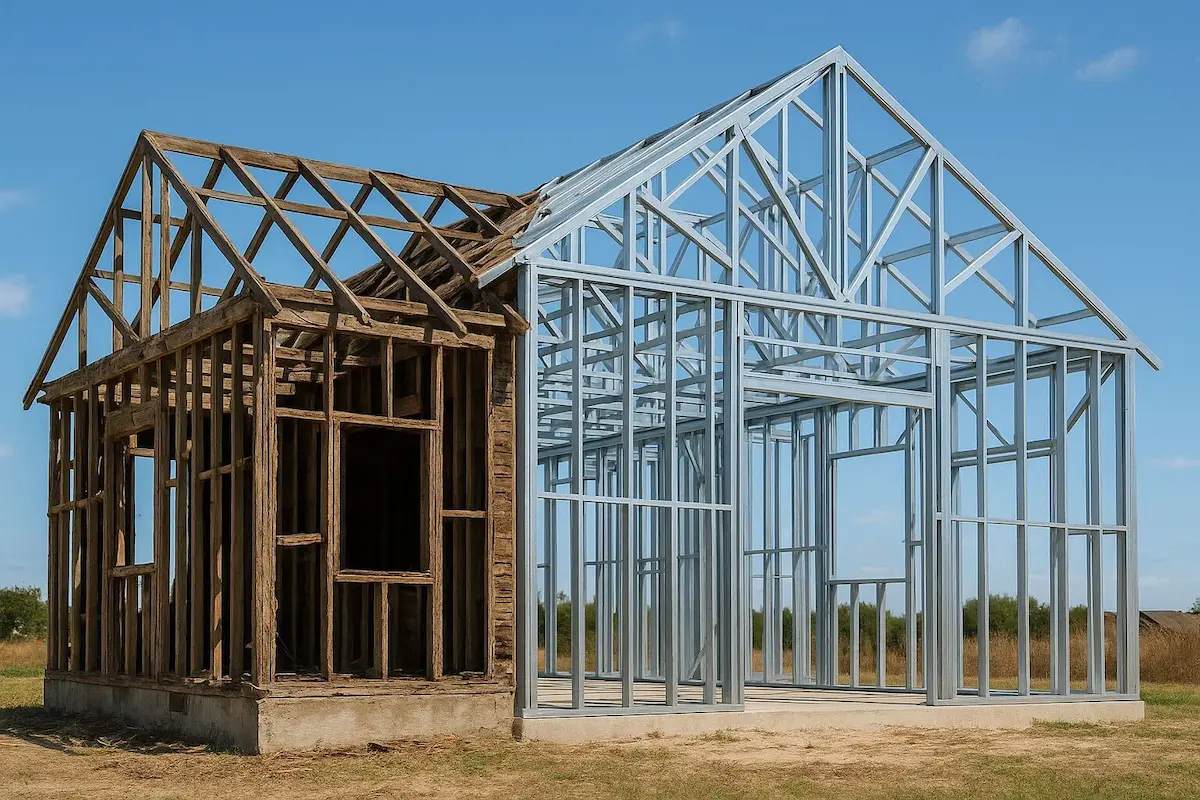
One of our Canadian borrowers, Build Smartr is trying to change that math. The British Columbia-based company founded by Harv Sidhu manufactures prefabricated steel-frame wall panels, joists and trusses for homes and low-rise buildings, in place of conventional lumber framing. Their steel frames are dimensionally stable, made from up to 99% recycled material, and don’t burn.
Build Smartr’s business is built around a version of this question: if we know homes are going to face more fire, more flood, more extreme weather, why do we keep building them the same way?
"We need to build more resilient buildings that withstand forest fires…" Sidhu said in a 2025 conversation with the Goparity Canada team. "…buildings and homes that will last longer or take less damage. We're really seeing steel be a major player in that space, being that it creates non-combustible homes. We need to make homes stronger to make them last longer."
Build Smartr's break came when BC Housing needed a contractor for an eight-storey building in Langley, near Vancouver after an earlier version of the project, framed in wood and roughly six storeys up, burned down mid-construction. The city responded by requiring the rebuild to be non-combustible, and Build Smartr's steel framing fit the requirement. As Sidhu told Canadian Manufacturing, steel's advantage is that it's stronger, it lasts longer, and it isn't combustible, an argument that gets harder to dismiss with every fire season.
Where Goparity fits in
We've now financed three separate campaigns with Build Smartr through our platform, totalling CAD $220,000 (around 137K euros), the most recent closing this past January. That money came from hundreds of everyday investors who pooled their investments to back a company working to build homes that are more resilient when wildfires strike.
We're not going to pretend that's a solution to what's happening in northwestern Ontario right now, or to what Jasper is still living through two years later. It isn't. Materials don't stop a fire on their own, and no framing system fixes the underlying problem of a hotter, drier climate producing more dangerous fire seasons. Builders who followed every provincial guideline of FireSmart, Canada’s wildfire-preparedness programme, have still lost homes this year.
What it is, is one example of the kind of choice that gets made long before a fire ever starts, in a lumber yard or a steel shop, months or years before anyone is evacuating. We think that choice is worth funding, and worth talking about, even in a week when it's hard to talk about anything else.
If you're one of the thousands of people currently displaced in northwestern Ontario, or watching someone you love go through it, our thoughts are with you.
If you're looking for a way to help directly, the Anishinabek Nation 7th Generation Charity is collecting donations specifically for Namaygoosisagagun First Nation, covering emergency supplies, temporary shelter, and essential resources for the community named above. The Canadian Red Cross's Canadian Wildfire Fund is supporting the broader response across northwestern Ontario, including evacuee services in Thunder Bay.
5
min read
Diversification: What It Really Means and How to Achieve It
Diversification is one of the main talking points in conversations around investment advice. Ever since markets have become more accessible, there has been a strong emphasis on the importance of having a diversified portfolio, but what is diversification, and how can it really be achieved?
Unsystematic and systematic risk
Diversification is one of the main talking points in conversations around investment advice. Ever since markets have become more accessible, there has been a strong emphasis on the importance of having a diversified portfolio, but what is diversification, and how can it really be achieved?
Everyone knows that risk is an inevitable part of investing, after all, there are no free lunches. Typically, when choosing investments we're exposed to two types of risk: unsystematic (also called idiosyncratic) and systematic. The first is firm-specific risk, it can be the risk associated with unfavourable litigation, a natural catastrophe that impacts a company's headquarters, and so on. The second is market risk, and it relates to the degree to which an investment moves with the overall market.
Building a diverse portfolio
This is the part where diversification comes into play. In essence, diversifying a portfolio means spreading investments across several different assets to help manage both types of risk (though, as we'll see, it doesn't do so equally).
By holding a portfolio of, say, thousands of stocks, each with a relatively low weight, you reduce the impact of any single company-specific event. If one holding suffers a bad outcome, it's unlikely to have a meaningful effect on the performance of your overall portfolio. This is diversification doing what it does best: eliminating unsystematic risk almost entirely.
With systematic risk, things are not as linear. This is the risk inherent to being exposed to the market itself, it’s driven by broad forces like interest rates, inflation, or recessions that touch nearly every asset to some degree. You can combine asset classes that have historically had low or negative correlation (i.e. whose returns haven't historically moved in the same direction and to the same degree) to smooth out the overall volatility of your portfolio. However, this won’t entirely erase systematic risk as historical correlations are not a fixed law.
Stocks and bonds are the clearest recent example. Historically, both these asset classes had an inverse relationship, with the long-term return correlation between equities and bonds having been broadly negative since the 1990s. However, that changed in 2022, with that year representing the first time that both equities and bonds had experienced negative returns in the same year since 1977. While some data shows this inverse relationship partially resuming in 2023, this is still a reminder that historical correlations between asset classes aren't a fixed law and can shift with the macro environment.
Common diversification mistakes to avoid
While diversification is a crucial strategy for managing investment risk, investors should watch out for a few common pitfalls:
- Over-diversifying. Spreading money across too many funds with overlapping holdings doesn't add much protection (it might just increase investment cost and complexity, without meaningfully reducing risk any further).
- Mistaking "different" for "uncorrelated." Real diversification means choosing assets that don’t move in the same direction at the same time. For example, buying gold, silver, and platinum might look like variety, but because these metals often behave similarly, they don’t provide the kind of diversification investors usually aim for.
- Skipping rebalancing. Portfolios drift as some holdings grow faster than others. Without periodically rebalancing back to target weights, a portfolio can end up far more concentrated and far riskier than originally intended.
Also don't forget that you can diversify by spreading your investments across various industries (like technology, health care, energy, and financials), across several geographical regions, market capitalizations, investment styles, and so forth.
Bottom line
Diversification is a core approach to managing investment risk and supporting long‑term growth. While it doesn’t guarantee profits or eliminate losses, building a well‑diversified portfolio can help reduce the impact of market ups and downs and lead to more stable returns over time.
5
min read
Banbu: clean cosmetics that start with a personal story
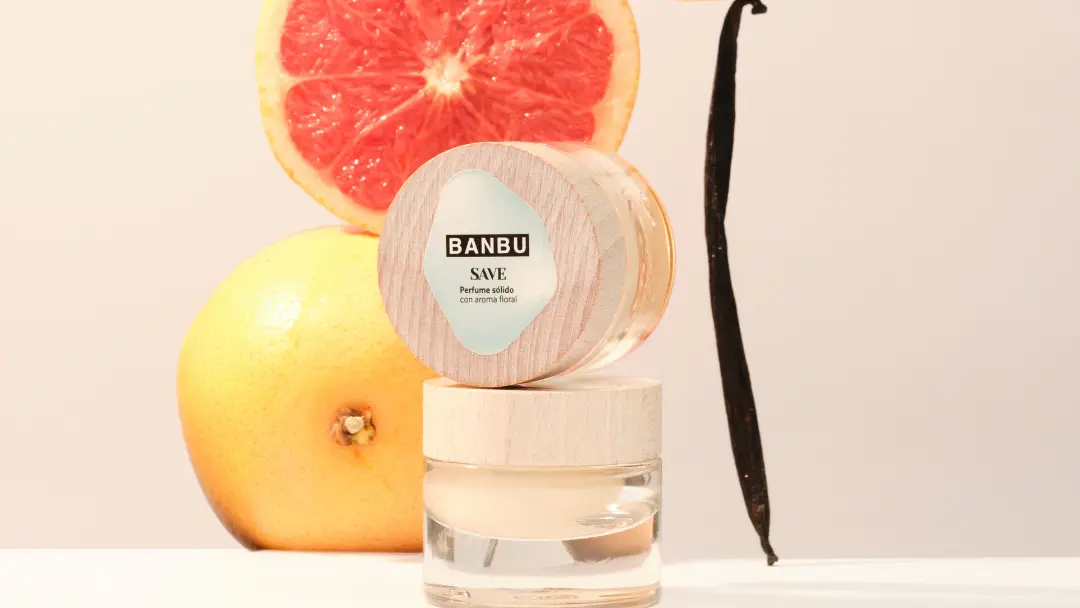
Banbu's catalogue covers more than 130 products across hair, body, face, dental care, and perfumery. All are made locally in Spain, with biodegradable or compostable packaging. Manufacturing is outsourced to a Spanish producer, but Banbu retains full intellectual property over all its formulas, registered in the CPNP.
A new project is coming to Goparity - and it is one with a story worth telling. Banbu is a Spanish brand built on a simple but serious conviction: the products people use every day should not work against them.

Where it started
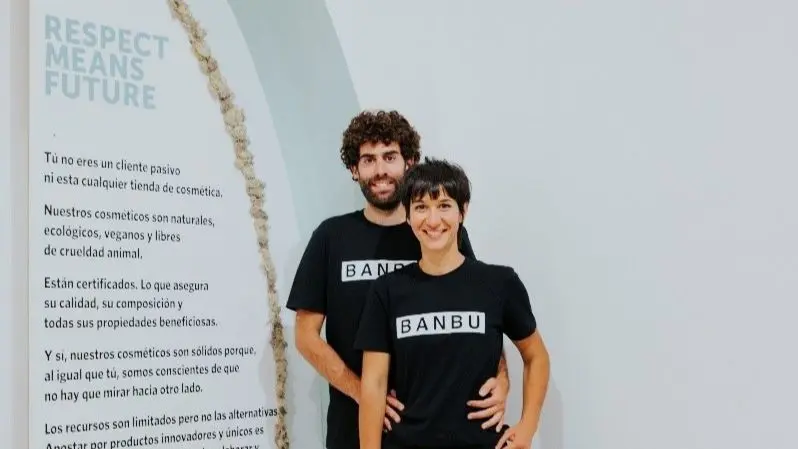
Banbu's co-founder Verónica was 18 when she was diagnosed with polycystic ovary syndrome and had to undergo emergency gynaecological surgery. What followed was years of research into hormonal health - and a discovery that changed the direction of her life.
The products she had been using daily, shampoos, deodorants, moisturisers, contained endocrine disruptors: substances capable of interfering with the body's hormonal system. They were legal, widely sold, and almost entirely invisible to consumers. She could not find products she fully trusted. So she built them.
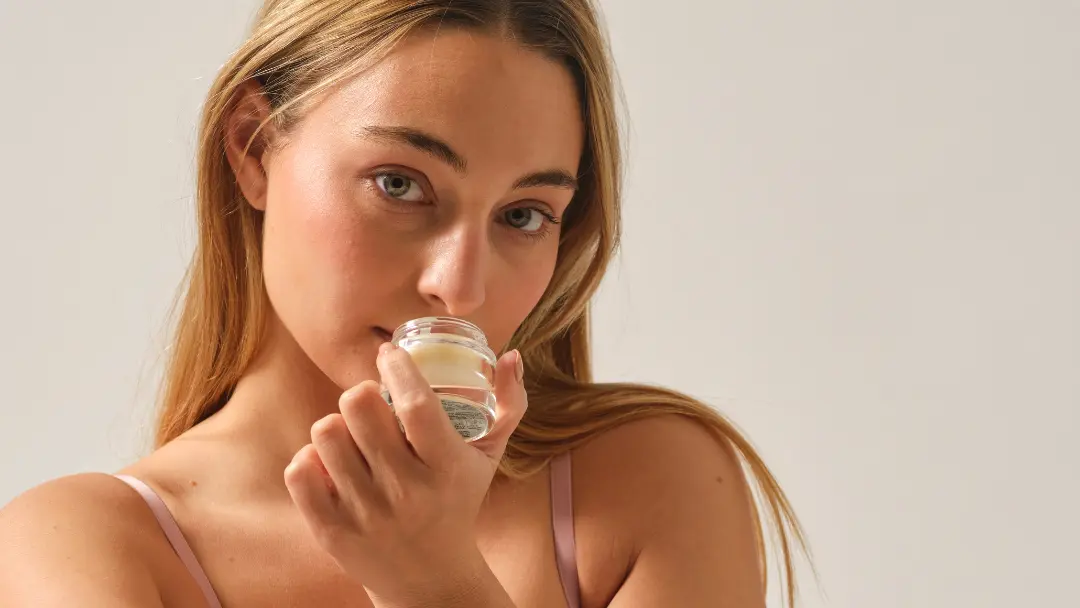
Banbu was born from that decision. Every formula is vegan, water-free, and free from endocrine disruptors. Every product ships without single-use plastics. It is a mission with a product line - and a growing community of people who have decided they deserve better.
What Banbu makes
Banbu's catalogue covers more than 130 products across hair, body, face, dental care, and perfumery. All are made locally in Spain, with biodegradable or compostable packaging. Manufacturing is outsourced to a Spanish producer, but Banbu retains full intellectual property over all its formulas, registered in the CPNP.
The brand operates through a hybrid model: a direct online store, three physical shops in Bilbao, Barcelona, and San Sebastián, and a B2B network of more than 300 multi-brand retailers and international distributors across Spain, Portugal, Italy, the Netherlands, and Germany.
What the funds will be used for
The funds raised through this campaign will partially finance Banbu's strategic growth plan for 2026 to 2028. The plan focuses on three areas:
- Inventory to support the expected increase in sales
- Marketing and customer acquisition, including digital advertising, e-commerce optimisation, and educational content on hormonal health
- Research and development, covering new anhydrous formulas and proprietary traceability and impact software
The goal is to accelerate customer acquisition, improve retention, expand into new sales channels, and consolidate operational profitability by 2027.
The impact Banbu creates
Every product Banbu sells removes an endocrine-disrupting alternative from a consumer's routine. At scale, that adds up.
By 2026, Banbu's operations are projected to deliver:
- 334 tonnes of CO₂ avoided
- 442,300 litres of fresh water saved
- 653,744 packaging units avoided
Banbu only uses reusable materials for packaging - aluminium, paper, and glass. 100% of the paper used is recyclable, sourced from PEFC and FSC certified producers. 20% of products are available with refill systems, reducing packaging waste further. And by producing solid cosmetics instead of water-heavy liquid alternatives, the brand significantly reduces water consumption at the point of manufacture.
The team
Banbu was co-founded by Verónica Diez, CMO, who brings over eight years of experience in e-commerce and digital marketing, and Rodrigo Folgueira, CEO, who has a background in aeronautical engineering and over a decade of experience in sales and team management. The company's CFO, Sara Amor, has eight years of experience in administration and finance across multiple sectors.
Investments made through the Goparity platform carry risk, including the risk of partial or total loss of capital. Loan repayments are made by the promoter through the platform. Past performance does not guarantee future results.
5
min read
From Brussels to Kuala Lumpur: 20 years of energy conviction
You probably don’t know this about me, but one of my first post-university jobs was at the European Parliament. After a short experience in certification and inspection when I graduated, I was lucky enough to meet someone (surfing, because that’s how life goes) who offered me an unpaid internship in the European Parliament in Brussels.
Dear community,
You probably don’t know this about me, but one of my first post-university jobs was at the European Parliament. After a short experience in certification and inspection when I graduated, I was lucky enough to meet someone (surfing, because that’s how life goes) who offered me an unpaid internship in the European Parliament in Brussels. I knew nothing about politics, but it was a technical assistance role abroad, so I took it.
When I was about to finish that internship, nearly broke and unemployed, presidential elections took place in Portugal. The new president hired staff from the European Parliament, and I was invited to stay.
In the European Parliament, I followed the Environment, Research & Industry and Energy commissions. For two more years I lived inside the European project, had colleagues from more than 25 different countries, and learned from important politicians, scientists, debates, NGOs and industry representatives. I supported decision making in several important policies, including the “20-20-20” package, a flagship initiative that reinforced Europe’s political leadership in renewables and climate.
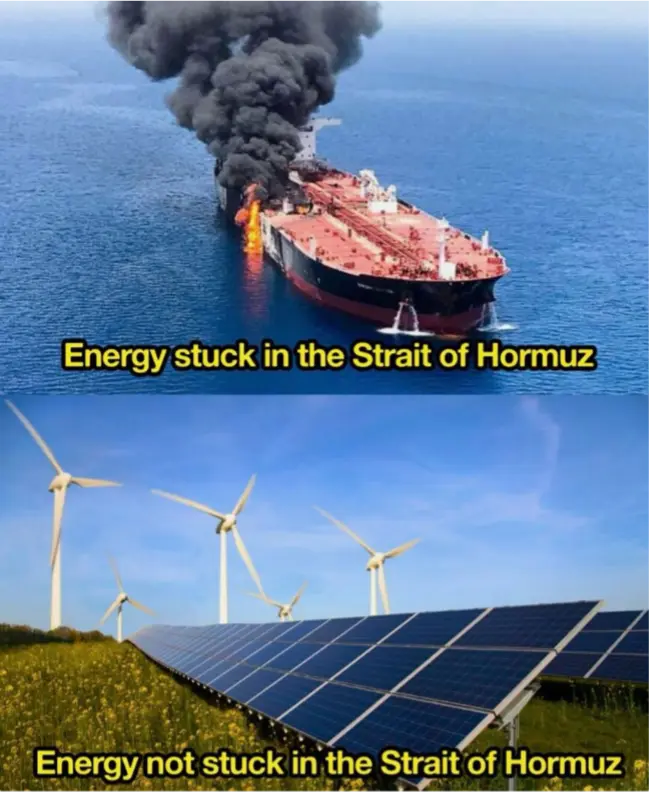
This picture I saw recently in a LinkedIn post reminded me of those days in the mid-2000s. Every piece of energy policy discussed included words like “secure”, “competitive” and “energy independence” alongside others like “clean”, “decentralised” and “affordable”. This green paper is where it all started (for me, of course).
As much as critiques contested and lobbyists rallied against it, the European Commission always had it very clear: yes, it is possible, and we should push for the best of two worlds (actually three): energy can be clean, secure and affordable.
20 years later, renewables, especially solar and wind, keep steadily “shocking” the energy markets with low electricity production costs all over the world and solar achieved grid-parity almost all over Europe during the 2010s.
At Goparity, our community has been part of this shift. Nearly half of all projects on our platform fall under the Sustainable Energy category, representing over 20,7 million euros lent.
Together, we estimate that all the projects we funded generate 36.4GWh per year. Considering only the 150 settled loans we actually measured, their confirmed real-world impact already is 6,7 GWh generated or saved, and 14.000 tonnes of CO₂ avoided per year (equivalent to planting more than 600.000 trees).
These are numbers we could only have dreamed of seeing from citizen-led finance back in Brussels, those days.
Highlights of the quarter
Stronger impact methodology: we worked with the UNDP Alternative Finance Lab to improve our impact framework, refining categories, aligning with the SDGs, and strengthening how we measure and communicate impact.
Bring a friend (or more): we launched a renewed referral programme. Share your link, and if your friend invests 20€, you both get 20€ more to invest. Like the 20-20-20 policy back in Brussels.
Equity investing: following the acquisition of Bolsa Social, we launched our first equity campaigns in Spain under the "Bolsa Social by Goparity" brand. The next one will be live on Goparity directly.
FemTech Portugal partnership: we signed a partnership with FemTech Portugal to open the underfunded women's health innovation projects to our community, reflecting a longer-term commitment to gender equity in finance, which I first wrote about in 2023.
First project in Southeast Asia, with a first-loss guarantee: two milestones in one campaign.
Aquila is Goparity's first project in Malaysia, financing 58 rooftop solar systems for Malaysian households, generating 696 MWh of clean energy per year and avoiding 538 tonnes of CO₂ annually. Aquila helps small and medium-sized businesses across Southeast Asia access clean energy funding, and this campaign specifically enables Malaysian families to install rooftop solar with no upfront cost.
For the first time, a Goparity campaign comes with a first-loss guarantee. Energy4Impact, powered by Mercy Corps, has activated a 60,000€ first-loss guarantee, meaning that in the event of any capital loss, 20% of your loan amount is covered, on top of Aquila's existing security package.
A first-loss guarantee has been one of the most requested features by our community. Structures like this help unlock private capital for communities where financing is the main barrier to clean energy adoption. This is exactly the kind of problem we want to tackle.
Impact Report 2025
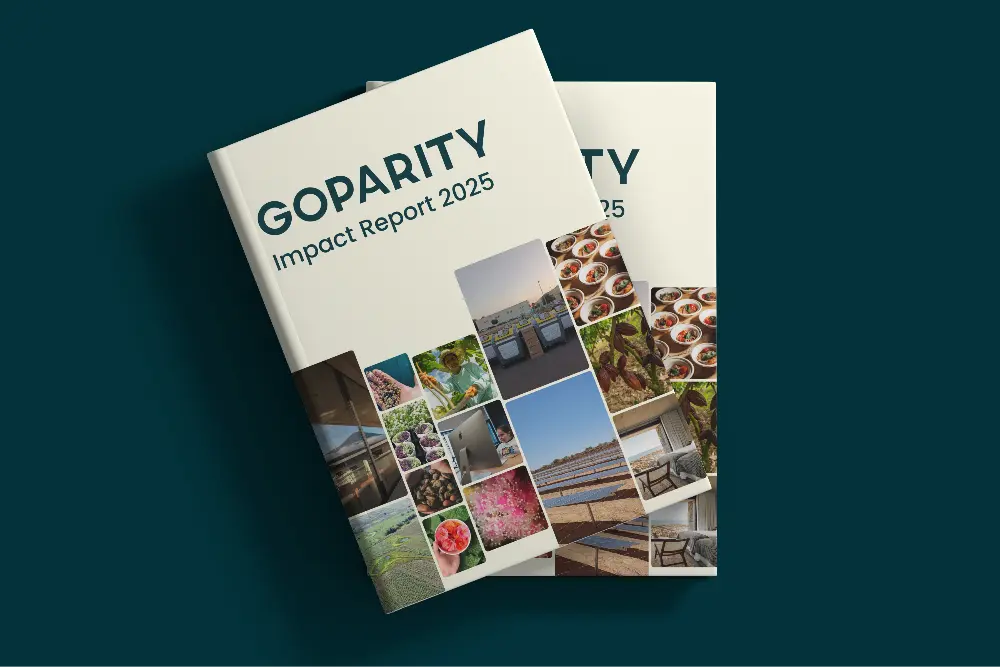
One question has always been at the heart of what we do: does this actually work? Not in the abstract, in real, measurable terms. Our Impact Reports are our most honest attempt to answer that and I'm proud to say the 2025 edition is now live.
This year, we set out to make the link between capital and impact more explicit: how much does each euro you invest actually change? We gathered data across all funded projects, linked it to measurable indicators, and translated it into concrete, comparable numbers. The result is a report that reflects not just what we've built, but what your investment contributes to.
I hope it brings to life what your money is really building.
News from our projects
Sea4Pain's clinical trial application for their analgesic program has been approved. This is a major scientific milestone for Sea4Us.
Valcon Medical has strengthened its EU-GMP manufacturing capabilities and established a partnership with a major European pharmaceutical company. It has also already created 3 of the 10 jobs it committed to when taking out the loan.
Artisan Tropic's new food-grade processing facility and integrated production equipment are on track to be completed by the end of 2026 or early 2027.
Vila Sustainable School: full recovery achieved.
I've written about credit recovery many times in these newsletters, and I'll keep doing so because transparency on this is non-negotiable. This one is worth celebrating.
After the first three loans (I, II, III) to Vila Sustainable School entered default during the first quarter of 2025, our team initiated formal recovery proceedings to enforce the property collateral that backed them.
On the 27th April, the sale of the property was completed, and on the 6th of May the full capital and interest have been transferred to investors' wallets.
This is one of the most important recovery outcomes in Goparity's history and it reflects a few things I frequently talk about:
- The importance of real collateral backing secured projects;
- The value of diligent, persistent legal work;
- The importance of patience: recovery and negotiation take time, involve third-parties and very often courts which work at their own pace.
And there is an important positive note for impact, too: the school will continue to operate, only the building changed owner.
Coming up
Brand Update: You'll soon notice that Goparity sounds and looks a little different. Not a rebrand, an evolution. And you won't find a single AI-generated image in it. The projects our community funded over the years tell the story better than anything a machine could generate.
New website: A new website is on its way too. We've built it to reflect how far the platform has come and to make room for what's coming next: a broader range of sustainable investment options, all in one place.
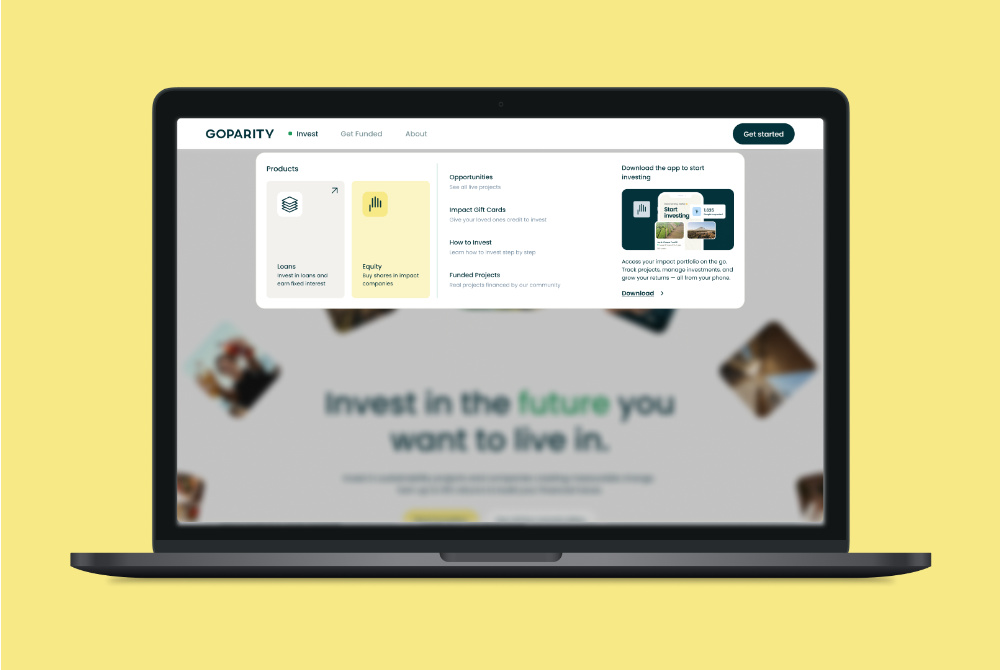
First equity campaign: The Goparity community will be able to invest in equity directly on Goparity. A milestone we have been working towards for a long time, and one that opens a new chapter in what impact investing can mean on this platform.
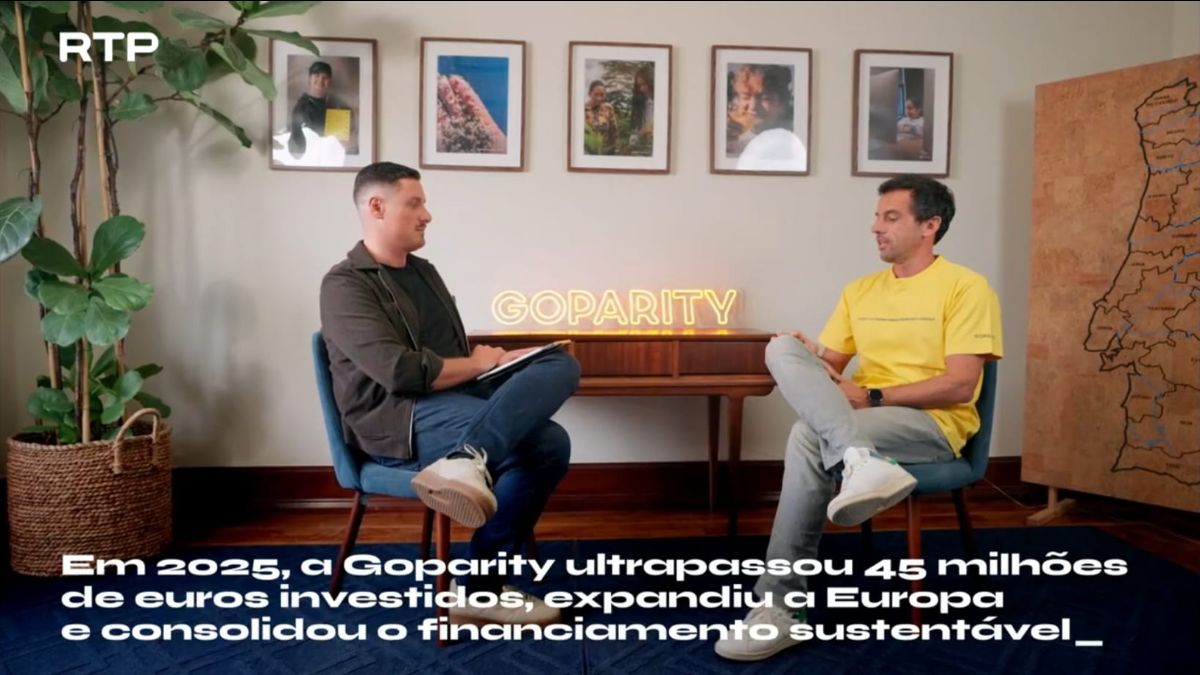
We were on TV
We were featured in an episode of Inteligência Portuguesa on 11 May. You can catch the episode, which is in Portuguese:
- Live on 17 May 2026 in RTP Mundo Ásia
- Live on 24 May 2026 in RTP Mundo
- At any time, if you are located in Portugal, on RTP Play here ->>
The question
Part of what makes Goparity different is who we grow with! And that includes the companies we can now support all the way through their journey, from early-stage ambition to scaled impact.
So I want to ask you: which brand or company would you love to see on Goparity?
Music note: Lately I’ve been listening to “She’s a rainbow” by the Rolling Stones a lot. A song that could be about a girl or love, but also about spring and bringing color to an otherwise grey world. Spring always feels like an opportunity, or the setup for something good or big. That’s what it feels like at Goparity nowadays.
If you believe in what we’re building at Goparity, please share your experience here. Your feedback not only helps us improve, but also helps more people discover impact investing.
5
min read
Our 2025 Impact Report is live
We are happy to share that Goparity's 2025 Impact Report is now live - and for this edition, we went further.
We are happy to share that the Goparity 2025 Impact Report is now live - and for this edition, we went further than ever before.
From the beginning, one question has shaped how we think about impact: how much does each euro you invest actually change? Not in abstract terms, not in aggregate numbers that are hard to connect to your own decision - but in concrete, comparable figures that mean something at the level of a single investment.
This year, we set out to answer that question properly. We gathered data across all funded campaigns, linked every project to measurable indicators, and built a framework that translates capital into outcomes you can actually compare. The result is a report that reflects not just what the Goparity community has built together, but what your investment specifically contributes to.
Some highlights
This is what shifting money from harm to impact looks like in numbers:
1.000€ invested = 1,6 tonnes of CO₂ avoided per year - the equivalent of around 75 adult trees absorbing carbon annually, plus 2,2 MWh of clean energy generated or saved.
10.000€ invested translates into 4 jobs created or 4 hectares of land or marine surface sustainably managed.
430 campaigns funded across 18 countries on 3 continents, mobilising 53M€ towards sustainable projects since the platform launched.
32 million euros returned in capital and interest, with an average annual return of 5,4% and 150 loans fully repaid.
100.000+ people supported, 4.000+ jobs created, and 31.311 tonnes of CO₂ avoided per year across all funded projects.
A more rigorous framework
These numbers did not come easily. To produce them, we restructured our entire impact framework this year, developed in partnership with the UNDP's AltFinLab. The new framework tracks 23 outputs, 21 outcomes, and 20 impact indicators - covering everything from energy generated and jobs created to land managed and communities supported.
The goal was to make the link between capital and change more rigorous and more transparent. That means reporting on what we can actually measure, being honest about what we cannot, and not inflating numbers to make the story more convenient. We think that honesty is the point.
B Corp recertification
In 2025 we completed our B Corp recertification, improving our score to sit 24% above the median for Portuguese companies. The improved score reflects changes across governance, workers, community, and environment - and it reflects a commitment to being assessed against the same standards we ask of the companies raising funds through the platform.
The organisation behind the platform
A report on impact should also be a report on the organisation producing it. So this edition includes a full account of how Goparity operates internally.
Our team of 32 people is 59% women. We were awarded the Platinum HappyAtWork® certification this year, based on direct employee feedback - because we think it matters that the people building this platform actually want to be here. Our Lisbon office runs on 100% renewable energy, and our remote-flexible model is designed to keep our operational footprint as small as possible.
Doing finance differently means being accountable not just for the projects funded through the platform, but for the organisation we are building.
5
min read
Aquila: Goparity's first project in Southeast Asia
We are excited to share that the Aquila campaign marks a significant milestone for Goparity: our very first project in Southeast Asia.
We are excited to share that the Aquila campaign marks a significant milestone for Goparity: our very first project in Southeast Asia.
This is not just a new campaign. It is the beginning of our impact journey in one of the most promising and fastest-growing clean-energy regions in the world.
Why Southeast Asia, why now?
Southeast Asia is one of the world's most dynamic regions: young, fast-growing, and rapidly scaling climate-tech solutions. Renewable energy adoption is accelerating, and the need for innovative financing mechanisms to support that transition is real and urgent.
The numbers speak for themselves. The region is home to over 675 million people, and energy demand is growing faster here than almost anywhere else on the planet. At the same time, millions of households still cannot access affordable, reliable power - let alone clean energy. The gap between ambition and access remains wide.
Many households across the region cannot access the upfront capital needed to install solar, even when the long-term savings are clear. This is not a technology problem. It is a financing problem. And it is exactly the kind of problem that impact investing is well placed to solve.
What is Aquila doing about it?
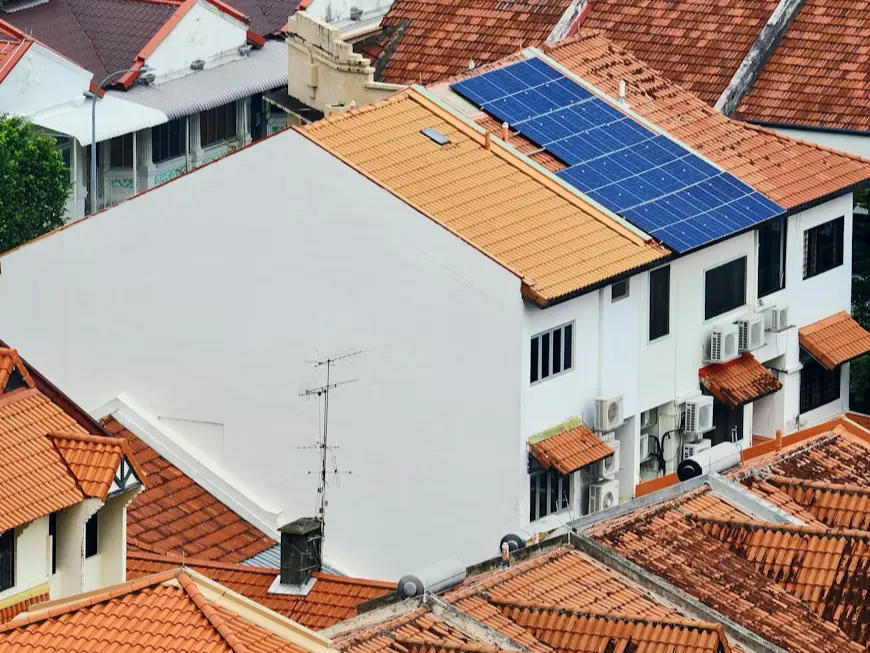
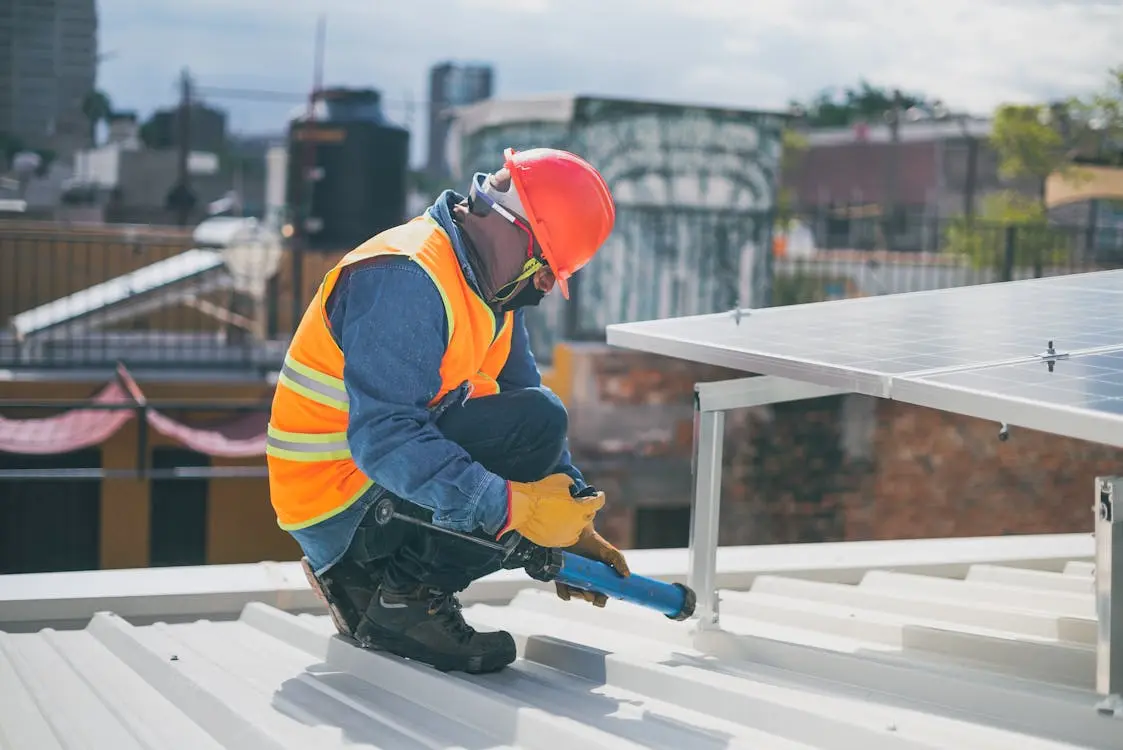
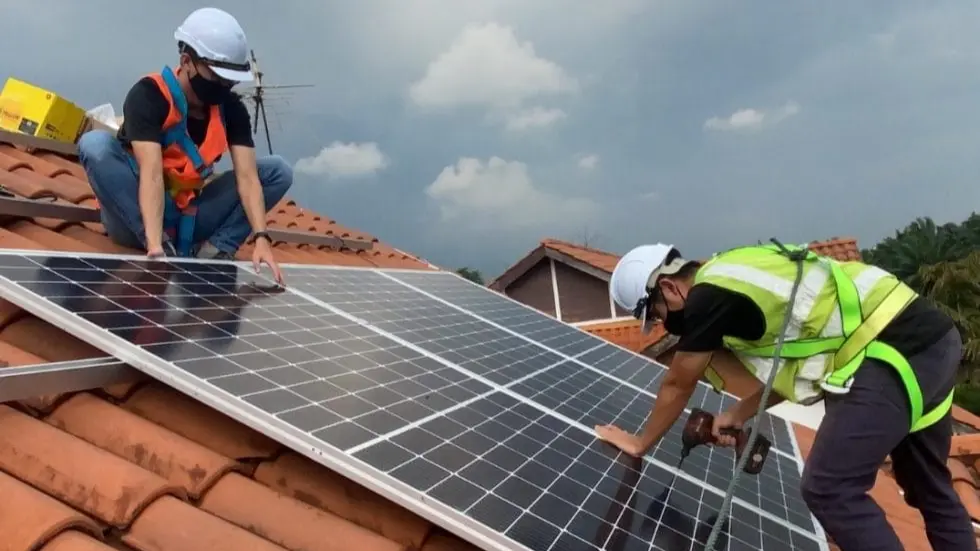
The campaign finances the expansion of Okapi, a Malaysian company helping families install rooftop solar panels with zero upfront cost. For many of these households, the barrier to clean energy has never been a lack of interest - it has been access to financing. Okapi removes that barrier entirely, partnering with trusted local installers who manage installation, operation, and ongoing maintenance. Families switch to clean, affordable power immediately, with no initial outlay required.
The campaign finances 58 new residential solar systems and contributes directly to:
- 538 tonnes of CO₂ avoided per year
- 696 MWh of clean energy generated annually
- Reduced electricity costs for Malaysian families
- Expanded access to reliable, affordable solar power in a region where the need is growing fast
A region at a turning point
Southeast Asia is not a single story. It is a collection of fast-moving economies at different stages of their energy transitions - and that is precisely what makes it so significant.
Countries like Malaysia, Indonesia, Vietnam, and the Philippines are setting increasingly ambitious renewable energy targets. Private capital is beginning to follow. But the financing infrastructure to connect that capital to the households and communities that need it most is still being built.
Aquila Climate Capital, the promoter behind this campaign, is headquartered in Singapore and operates across the region. Their track record includes USD 22 million deployed across 20 renewable-energy projects in 5 Southeast Asian countries. They are not newcomers to this market - they have spent years building the relationships, the due diligence processes, and the local expertise needed to make projects like this work.
De-risking emerging market investment
Investing in a new geography always raises questions. That is fair and reasonable. One of the reasons we were drawn to this campaign is the quality of the protection structure around it.
Energy 4 Impact powered by Mercy Corps, a globally respected organisation accelerating clean-energy access in emerging markets, activated a €60,000 first-loss guarantee backing this campaign - equivalent to 20% of the total investment. In the event of any capital loss, that 20% is covered from the outset, before any other safeguards come into play.
This kind of blended-finance mechanism matters beyond the protection it offers individual investors. It is real-world evidence of how targeted guarantees can mobilise private capital for clean energy in markets where financing is scarce. When organisations like Energy 4 Impact put their own resources behind a project, it signals something meaningful about the quality and credibility of what is being built.
A first step, not a last
For Goparity, Aquila is the beginning of something bigger. Southeast Asia represents a region where the combination of energy need, economic growth, and climate ambition creates genuine conditions for impact at scale. We have spent time understanding this market, building relationships with credible local partners, and identifying the kinds of projects where private investment can make a real difference.
This is our first project here. It will not be our last.
Investments made through the Goparity platform carry risk, including the risk of partial or total loss of capital. Loan repayments are made by the promoter through the platform. Past performance does not guarantee future results. The first-loss guarantee covers 20% of the total campaign value and is subject to the terms agreed with Energy 4 Impact powered by Mercy Corps.