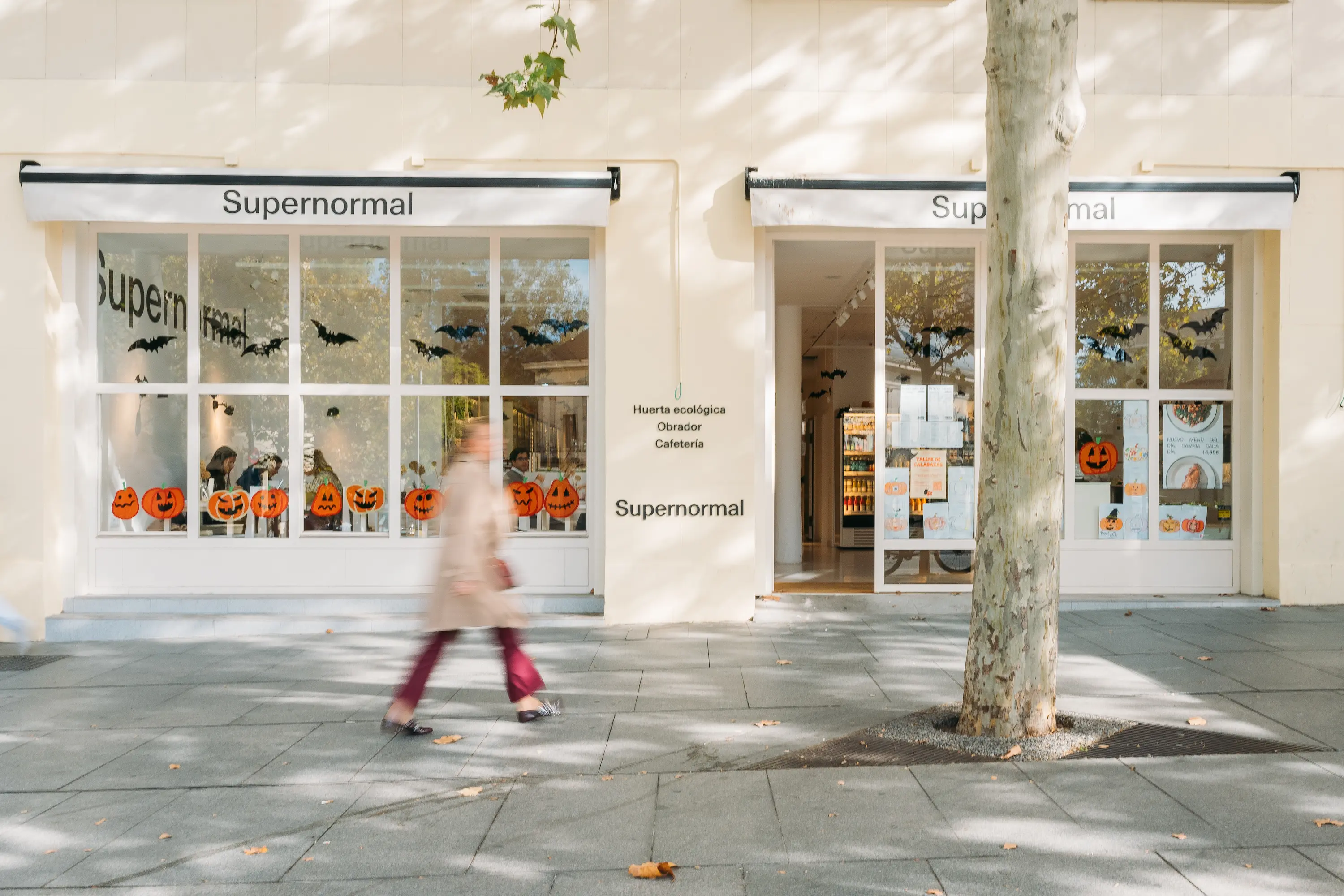
My first meeting with Fernando was at the Serrano store, in the shop itself. That told me a lot already. He walked us through every section, every supplier relationship, every product decision, and you could feel the care behind each one. It wasn’t a pitch. It was someone showing you something they’d built with real conviction.
What stayed with me was how he described the journey: how the project took shape gradually, what each store had taught them, and how a small organic shop grew into a business with its own production, its own brand and its own way of distributing. By the end of that conversation, I knew Supernormal was worth a serious look.
Here’s what I found when we took it.
Growing one store at a time
Ordered growth is underrated. Supernormal opened its stores one at a time, and each new one wasn’t a copy of the last. It was a chance to refine the product range, improve supplier relationships, fine-tune operations and test a new neighbourhood.
So by the time they were ready to scale, they had the supply chain under control and they understood their customers. They had also built the infrastructure (the farm, the workshops, the warehouse) to handle more volume without losing quality. That’s not a given for a retail business at this stage.
Growing slowly, learning at each step and only speeding up once the foundations are solid: that’s what convinced me the model is built to last, not just to open doors.
The numbers that stood out
The clearest signal was the revenue trajectory of the existing stores. The Plaza de Cataluña store went from around 35.000€ in its first month to nearly 65.000€ by month seven, without any significant marketing spend.
Growth like that, driven by repeat customers and word of mouth, tells you something real: people value what the store offers.
Three founders, three clear roles
Fernando knows every detail of his business: where each product comes from, why it’s on the shelf, what the margin is on a specific item in the café. That’s what makes you trust the projections. Not because someone modelled them well, but because the person behind them has lived the numbers.
He’s also not doing it alone. Inés Usera, his co-founder, runs operations and supply chain: purchasing, the warehouse, logistics from producer to shelf. Almudena Peña runs sales and manages the teams across all stores, making sure the commercial side works day to day and the right people are in each location.
Three founders, three clearly defined roles that complement each other. When you’re about to run five stores at once, that structure isn’t a nice-to-have. It’s what makes it possible.
Why now
Because the foundations are ready. The supply chain can support more volume, the brand is well known in Madrid, and the team has the operational depth to run several sites at once.
The two new stores, in El Viso and Pozuelo de Alarcón, are in neighbourhoods with real demand for this kind of offer: local, organic, with a community feel that big supermarket chains can’t replicate. Supernormal has also brought in experienced co-investors who know the business well.
This isn’t a leap into the unknown. It’s the next step in a sequence that’s been carefully prepared.
The terms that mattered to me
What mattered most to me was having clear scenarios, not just for how the investment might grow, but for how investors can eventually exit. Equity crowdfunding is often sold on potential upside, with very little structure around what happens next.
This round was designed with real mechanisms: defined conditions under which investors can realise their stake, and a commitment to return value that doesn’t depend on a future event no one can control.
Supernormal isn’t our typical equity campaign. We usually work with earlier-stage, more tech-driven companies. But part of what we want to offer our investor community is diversity: different sectors, different models, different ways of taking part in the economy we want to build. This is a solid, tangible business in a sector I believe in, and when the structure of a round reflects that, the decision gets easier.
Impact on producers, customers and neighbourhoods
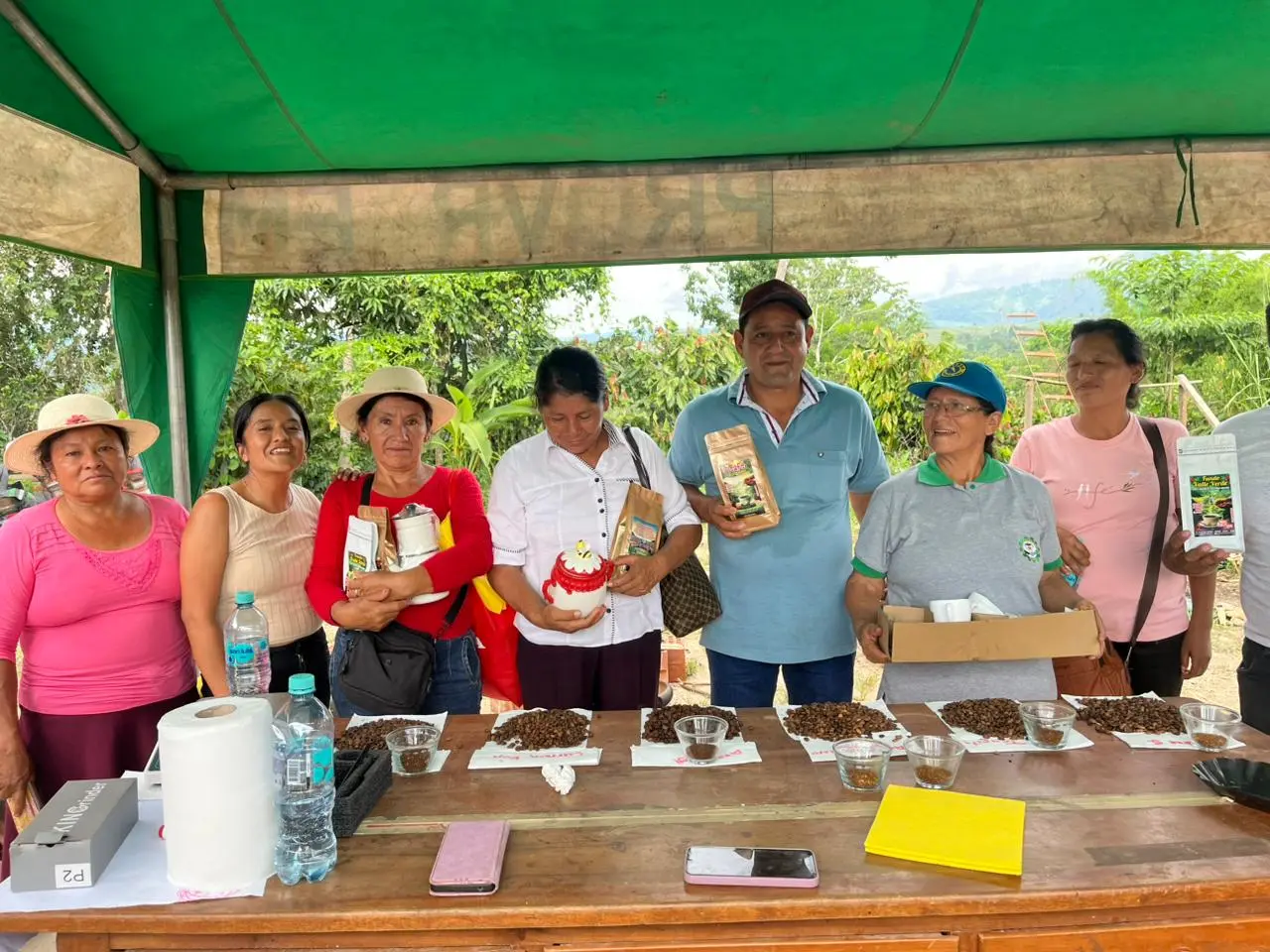
All three matter, but the relationship with producers is what I find most compelling. Supernormal works directly with more than 150 small local producers through a short supply chain, with no intermediaries and no large distribution platforms. That means producers get stable, recurring demand and fair prices, which is rare in food retail.
For customers, it’s about access to organic food close to home, without having to plan a special trip.
And for neighbourhoods, there’s something harder to measure but just as real: a place that builds community around food, where people come not just to shop, but to discover where things come from.
The risks
The main risks are execution and timing. These are new stores, and however strong the model is, opening a retail space is demanding: hiring the right team, reaching the projected revenue on schedule, managing cash flow across several locations at once. A delay of a few months in one store has a real impact on the whole vehicle.
We weighed that against a track record that shows the model works in practice, investor protections well above average for this type of investment, and a founding team that covers the key operational functions.
No investment is without risk. The question is whether the evidence and the terms justify taking it. In this case, we thought they did.
Written by